
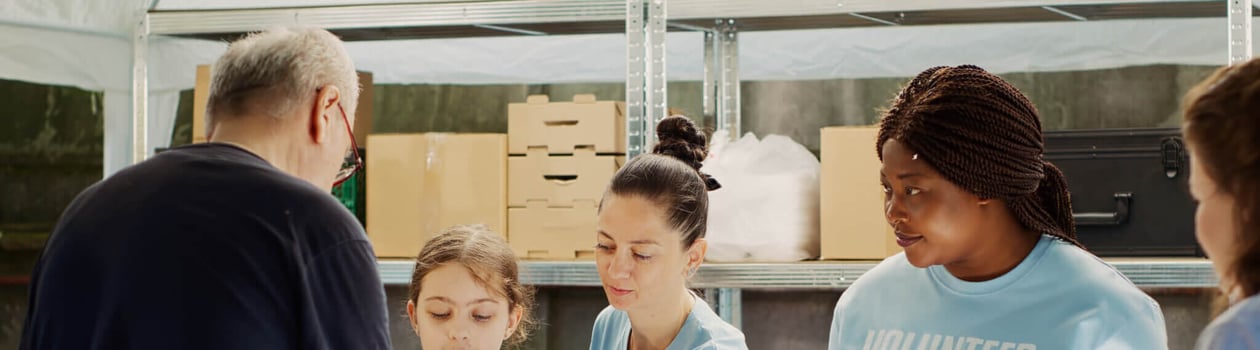
Salvation Army Day is a vibrant celebration dedicated to honoring The Salvation Army’s work and mission. This special day recognizes the organization’s long-standing commitment to helping people facing hardship, especially when life gets complicated fast and practical support matters most.
The Salvation Army is widely known for its hands-on charity work and far-reaching outreach programs. Across many communities, it has become a familiar “helper in the background,” offering meals, safe shelter, clothing, recovery support, and a steady dose of dignity when it is needed most.
Salvation Army Day spotlights that impact and invites everyone to notice, appreciate, and strengthen the kind of neighborly care that keeps communities functioning.
How to Celebrate Salvation Army Day
Host a Charity Concert
Gather a few instruments, invite local performers, and organize a community charity concert. Live music creates a warm atmosphere, connects people, and channels that positive energy into meaningful support.
To keep the event welcoming and effective, organizers can focus on a few simple steps:
- Choose an easy-to-reach space such as a school hall, community center, open courtyard, or a spacious garage with good airflow.
- Decide how contributions will be collected—through ticket sales, a donation box, or a flexible “pay what you can” option.
- Include a short message between performances to share where the funds will go, whether for shelter support, food assistance, or help for families in need.
Because the Salvation Army serves many community needs, the event can match a specific purpose. A jazz evening might provide warm clothing. A choir performance could help fund meals. A youth band night may support school supplies. An enjoyable gathering filled with music and generosity can turn every round of applause into real help.
Organize a Community Clean-Up
Gather friends and neighbors for a community clean-up day. Equip everyone with gloves and bags, and tidy up local parks or streets. It’s a hands-on way to support the environment and promote community unity, and it pairs nicely with the spirit of service The Salvation Army represents.
A cleanup can also be planned with a “care-minded” approach:
– Choose routes that include bus stops, sidewalks near shelters, and public gathering areas where cleanliness directly affects comfort and safety.
– Create teams with specific roles, such as litter collection, recycling sorting, and identifying hazards that should be reported to local services.
– Provide water, sunscreen, and a simple first-aid kit. Service should not require anyone to get hurt.
End the day with a group photo to commemorate the effort, then consider taking the momentum one step further by scheduling a follow-up volunteer shift or donation drop-off. One project can be a spark, not a one-and-done.
Run a Donation Drive
Create a donation point at a community center, office, or school where people can drop off clothing, toys, and non-perishable food. Check that all items are clean and usable, then arrange delivery to the nearest Salvation Army location. It’s a simple effort that can make a real difference.
A successful drive focuses on quality, not just quantity. A little organization goes a long way:
- Prepare a clear list of accepted items along with a short “please do not donate” guide. Gently used pieces are helpful; damaged goods are not.
- Sort contributions as they arrive. This saves time for volunteers and reduces waste.
- For food collections, choose practical pantry staples such as canned protein, peanut butter, rice, pasta, beans, shelf-stable milk, and lower-sugar options when possible.
When gathering clothing, think about comfort and respect. Warm coats, new socks, work-ready outfits, and durable shoes are especially valuable. For toys, choose clean, complete, and age-appropriate items that a family would feel good receiving. A well-planned donation drive does more than fill boxes. It makes it easier for someone to rebuild and move forward.
Volunteer for a Day
Invite friends, coworkers, or classmates to dedicate a day to volunteering at a local Salvation Army shelter, meal program, or thrift store. Volunteers might serve food, organize donations, restock shelves, assemble care packages, or assist with simple office tasks.
People can also contribute based on their strengths:
- Those with strong interpersonal skills can welcome guests, help with check-ins, or offer a friendly first point of contact.
- Organized volunteers can sort items by category, size, or season.
- Anyone comfortable in a kitchen can assist with meal preparation and safe food practices.
- Good listeners can offer something just as valuable—conversation and human connection, especially in community dining areas or senior programs.
Even one day of service can have a real impact, but preparation matters. Arrive on time, follow safety and confidentiality guidelines, wear appropriate clothing, and treat everyone with dignity and care. The purpose is not to be a hero for a day, but to show up, be reliable, and offer steady kindness where it’s needed most.
Host a Themed Party
Host a themed gathering with a meaningful twist: invite guests to bring donations instead of traditional gifts. Pick a fun idea like a Retro Night or a Beach Party, enjoy great food and conversation, and turn the celebration into a chance to support others.
To keep the event simple and organized, hosts can:
- Choose one clear donation focus, such as a “cozy comfort” theme with blankets, socks, and hygiene products, or a “pantry pack” theme with shelf-stable food items.
- Add a lighthearted element, like a best-themed outfit contest. The winner’s reward could be choosing which community program receives the collected supplies.
- Set up a small packing area where guests can sort and assemble items into ready-to-use kits, such as hygiene or care bundles.
A themed donation party works best when giving becomes part of the shared experience, not just a collection at the entrance. It creates a relaxed way for people to contribute and helps those who want to support a cause but are unsure how to start.
Reasons for Celebrating Salvation Army Day
People observe Salvation Army Day to recognize the organization’s broad impact and its practical, hands-on approach to helping communities. The Salvation Army often steps in where needs are most urgent and visible, including hunger, homelessness, disaster recovery, addiction support, and financial hardship.
What makes this day meaningful is the organization’s focus on both immediate help and long-term stability. In many communities, that means:
- Providing food for today while offering case support that helps families regain independence.
- Offering shelter or transitional housing alongside guidance with employment, identification, and essential life steps.
- Supporting recovery programs that combine structure, accountability, and a sense of community.
The Salvation Army is also known for reaching people through many access points. Someone might first connect through a meal service, a shelter, a social services office, a thrift store, or a seasonal donation drive.
This matters because hardship rarely comes in a single form. A person may need clothing before a job interview, safe housing before addressing health concerns, or reliable meals before focusing on long-term goals.
This day also reminds communities that lasting change depends on strong networks. Real progress happens through shared effort—staff, volunteers, donors, local partners, and those receiving support all contribute to the path from crisis to stability.
Salvation Army Day can also encourage more thoughtful giving. Instead of donating randomly, people can focus on what is truly needed, whether that means specific supplies, regular volunteer time, or financial support that allows programs to respond quickly. In that sense, the day is not just about appreciation. It is about strengthening the support systems that make ongoing help possible.
Salvation Army Day Timeline
East London Christian Mission Began
Methodist preacher William Booth and his wife, Catherine, started the East London Christian Mission in London, preaching in tents and streets and offering food and aid to the poor.
The Salvation Army Name and Structure Adopted
The Christian Mission was reorganized with a military-style structure and officially renamed The Salvation Army, with William Booth as General and members as officers and soldiers.
Salvation Army Work Reached the United States
Commissioner George Scott Railton and seven women officers arrived in New York City to begin an organized Salvation Army ministry among America’s urban poor.
Expansion into Canada and India
The Salvation Army opens work in Canada and begins operations in India, signaling its transition from a British mission to a growing international movement.
“Doughnut Lassies” Serve on World War I Front Lines
Salvation Army volunteers in France provide doughnuts, coffee, clothing repairs, and spiritual care to U.S. soldiers in the trenches, helping to lift morale during the war.
History of Salvation Army Day
Salvation Army Day began to honor the establishment and enduring impact of The Salvation Army, a movement founded by William Booth and Catherine Booth in London’s East End in 1865.
The Booths were responding to intense urban poverty and social instability, and they focused their efforts on people who were often excluded or overlooked, including those living without stable housing or caught in cycles of addiction and exploitation.
William Booth, who had served as a Methodist minister, took an approach that was direct and public. Rather than relying on traditional church settings, he preached in streets and gathering places, aiming to reach people who might not enter a formal building or feel welcome there.
Catherine Booth, an influential preacher and organizer in her own right, helped shape the movement’s direction and public voice, emphasizing compassion paired with action.
The early mission was originally known as The Christian Mission. Over time, the work grew in scope and in organization. In 1878, the movement adopted the name The Salvation Army, leaning into a military-style metaphor of disciplined service.
A well-known account of the name change describes a printer’s proof that referred to the group as a “volunteer army.” William Booth reportedly rejected the “volunteer” label, embracing the idea of an organized “Salvation Army” instead. The terminology stuck, along with a structure that emphasized clear roles, mobilization, and readiness to respond.
That military framing was not about conflict for its own sake. It was a way to communicate purpose and urgency. Poverty and social injustice were treated as realities to be confronted with persistence, coordination, and moral seriousness. The identity also helped supporters understand what they were joining: not a passive club, but a service-minded force.
The Salvation Army’s rapid expansion reflected both need and momentum. By the early 1880s, it had established a presence well beyond the United Kingdom, spreading into the United States and other parts of the world.
As it expanded, it adapted to local conditions while maintaining a consistent emphasis on practical help. The core idea was recognizable across communities: meet immediate needs while also offering pathways to stability.
Over time, The Salvation Army became especially visible during periods of widespread hardship, including economic downturns and large-scale crises. When unemployment rises, shelters and meal programs become lifelines.
When disasters disrupt daily life, emergency support becomes urgent. The organization’s strength has often been its ability to show up quickly with essentials: food, basic supplies, and support services that reduce chaos.
In addition to emergency relief, The Salvation Army developed broader programs that address longer-term challenges. In many places, that includes transitional housing, family services, youth programs, support for older adults, and rehabilitation services aimed at recovery and rebuilding routines.
The organization also became known for thrift stores, which serve a dual purpose: offering affordable goods and generating revenue that can support local programs.
Today, The Salvation Army operates internationally, serving communities through a mix of social services, community support, and charitable outreach. Salvation Army Day honors that long arc of service, from street-level beginnings to a global network focused on meeting human needs without discrimination.
It is a reminder that effective compassion is rarely abstract. It is often a meal, a safe bed, a clean coat, a listening ear, and a plan for what comes next.
Its work has continued to grow, addressing issues like homelessness, disaster relief, and addiction recovery, making The Salvation Army a global force for good in over 130 countries today!
Salvation Army Day Facts That Reveal a Global Force for Good
A Global Church With a Military-Style Chain of Command
The Salvation Army is structured as both a church and a charity, organized in a military-style hierarchy that runs from local “soldiers” and corps officers up through divisional and territorial leaders to a single international head known as the General, who is elected by a High Council and based at International Headquarters in London.
Quasi‑Military Ranks and Uniforms Shape Its Identity
Officers in The Salvation Army hold ranks similar to an army, including lieutenant, captain, major, lieutenant colonel, colonel, commissioner, and general, and they wear uniforms that visually reinforce the idea of a disciplined, organized “army” engaged in social and spiritual service rather than armed conflict.
A Worldwide Network Spanning More Than 130 Countries
According to the Salvation Army’s own international statistics, the movement operates in 134 countries, with 14,495 worshiping communities and 15,908 active officers, making it one of the most geographically widespread Christian church‑charity networks in the world.
Human Services on a Massive Global Scale
International figures compiled by The Salvation Army show the scope of its social work: hundreds of homeless hostels with nearly 30,000 beds, more than 200 residential addiction treatment programs, children’s and elderly homes, hospitals and maternity units, and thousands of community development projects serving over a million beneficiaries.
Pioneers in Faith-Based Disaster Relief
The Salvation Army’s role in disaster relief began in the United States after the 1900 Galveston hurricane, and its Emergency Disaster Services have since become a fixture at major crises, from feeding and sheltering survivors of the 1906 San Francisco earthquake to serving millions of meals to responders and survivors after the September 11 attacks and Hurricane Katrina.
An Anti‑Poverty Strategy Built Around “Pathway of Hope”
Beyond emergency aid, the Salvation Army runs Pathway of Hope, a data‑driven case‑management program launched in the 2010s to help families with children break generational poverty; independent evaluations and grant reports indicate that thousands of enrolled families have seen measurable improvements in stability and significant reductions in barriers such as unemployment and unstable housing.
A Major Player in Addiction Rehabilitation Funded by Thrift Stores
In the United States, the organization’s Adult Rehabilitation Centers are typically 180‑day residential work‑therapy programs for people struggling with substance use, funded largely by donations to Salvation Army thrift stores, which means participants receive housing, meals, counseling, and job training at no direct cost.



You may also like

National Salvation Army Week
Supporting those in need, providing hope, and creating positive change—efforts that embody the essence of humanitarian assistance.
- United States

Army Birthday
Honor the legacy and service of the U.S. Army, from its 1775 founding to today, with traditions, ceremonies, and ways to thank soldiers on Army Birthday.
- Canada
- United Kingdom
- United States
Army Day
Thank a veteran, donate to the cause, or volunteer to help the nation’s frontline, who often suffer PTSD, poverty, and loss for their sacrifices to their country.
- India
- Thailand
- United States
- and 1 more
National Yellow Bat Day
Responsible for analyzing intercepted communications, this intelligence unit supported US Army operations during the Vietnam conflict.
- United States
National days and holidays on March 10 2027

National Mario Day
Join this iconic Italian plumber on his adventures through fantastic worlds, battling fierce enemies and saving the Princess!
- Canada
- Japan
- United Kingdom
- and 1 more

Histotechnology Professionals Day
Histotechnology Professionals Day is a celebration dedicated to the skilled individuals who turn the invisible world of tissues into vital information. While many people picture healthcare as doctors, nurses, and bustling hospital corridors, a quieter kind of expertise helps steer countless medical decisions: the careful preparation of tissue for microscopic...
- United States

Teen Tech Week
Libraries evolve with technology, offering digital tools and resources for research, learning, and exploration beyond books.

National No Smoking Day (UK)
Breaking up with cigarettes can give you more energy, better health, and extra cash for fun activities. It's a win-win!
- United Kingdom
Seize Every Day
Join free for personalised recommendations, email reminders and exclusive guides. Never miss a day.