
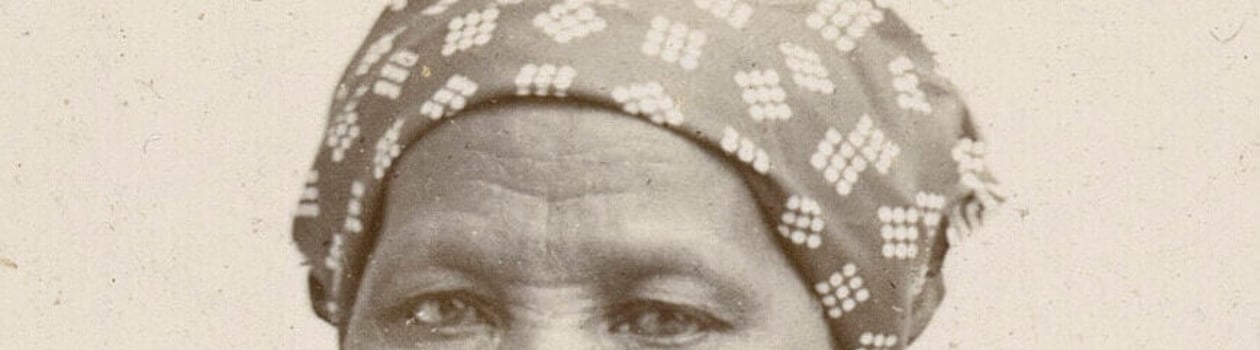
Harriet Tubman Day is a celebration of courage and freedom. It honors Harriet Tubman’s relentless fight for the freedom of enslaved people.
Her bravery and strategic skills helped many escape through the Underground Railroad.
She didn’t just seek her freedom; she dedicated her life to helping others secure theirs, embodying the true spirit of a hero.
Harriet Tubman Day Timeline
Birth of Araminta “Minty” Ross
Harriet Tubman is born into slavery in Dorchester County, Maryland, to Harriet “Rit” Green and Ben Ross, beginning a life shaped by bondage and resistance.
Traumatic Head Injury and Visions
As a child, Tubman suffers a severe head injury from an overseer, leading to lifelong seizures and vivid spiritual visions that later guide and strengthen her resolve to seek freedom.
Escape from Slavery
Tubman escapes from slavery in Maryland, traveling roughly 90 miles to Pennsylvania; her successful flight lays the groundwork for her later work as a famed Underground Railroad conductor.
First Underground Railroad Rescue Mission
Tubman engineers her first documented rescue, freeing her niece Kessiah and her children from an auction in Cambridge, Maryland, and guiding them safely to Philadelphia.
Underground Railroad Conductor
Over roughly a decade, Tubman makes about 13 trips back south and directly guides some 70 enslaved people, mostly family and friends, to freedom, earning the nickname “Moses.”
Combahee River Raid
Serving as a scout and spy for the Union Army, Tubman helps plan and guide the Combahee River Raid in South Carolina, where Union forces free around 700–800 enslaved people.
Later Activism and Care for the Elderly
In the decades after the Civil War, Tubman speaks for women’s suffrage and establishes the Harriet Tubman Home for the Aged in Auburn, New York, extending her fight for dignity into old age.
How to Celebrate Harriet Tubman Day
Visit Historical Sites
Grab your travel buddy and visit one of the many historical parks dedicated to Harriet Tubman. Discover her incredible life at the Harriet Tubman National Historical Park in New York.
Or, stroll through the Harriet Tubman Underground Railroad National Historical Park in Maryland. These spots bring history to life with exciting exhibits and guided tours.
Read and Reflect
Dive into a good book about Harriet Tubman’s adventures. Pick up a biography or novel about her life and times. Gather friends or family for a book club and discuss her daring escapes and courageous deeds. Reflecting on her journey can be both educational and inspiring.
Watch Documentaries
Pop some popcorn and settle in for a Harriet Tubman movie night. Choose from a variety of documentaries and films that showcase her bravery and strategic genius.
These films offer a visual and emotional journey through her extraordinary life.
Engage in Community Service
Channel your inner Harriet Tubman by giving back to the community. Volunteer at local shelters, food banks, or schools. Helping others is a perfect way to honor her legacy. Gather a group and make a difference in your neighborhood.
Host a Themed Event
Throw a Harriet Tubman-themed party or event. Decorate with historical photos, serve period-appropriate snacks, and play music from her era. Invite a guest speaker or historian to share stories about her life. It’s a fun and interactive way to learn and celebrate together.
Create Art
Unleash your creative side by making art inspired by Harriet Tubman. Paint, draw, or sculpt pieces that reflect her strength and spirit. Share your creations on social media to spread awareness and inspire others. Art can be a powerful tool for education and tribute.
Support Educational Programs
Donate to or volunteer with organizations that promote education about Harriet Tubman and the abolitionist movement.
Many nonprofits and schools offer programs that teach about her life and impact. Supporting these initiatives ensures her story continues to inspire future generations.
This day is significant because it highlights Tubman’s role in American history as a symbol of resilience and justice. She made numerous dangerous trips to rescue enslaved people, showing immense bravery and selflessness.
Tubman’s work as a spy and nurse during the Civil War also reflects her unwavering dedication to the cause of freedom and equality. Her life’s work inspires many to continue fighting against injustice.
History of Harriet Tubman Day
Harriet Tubman Day began in 1990. President George H.W. Bush signed the proclamation, making it a national observance.
The day honors Tubman’s extraordinary contributions to the fight against slavery. Her tireless efforts helped many enslaved people gain freedom through the Underground Railroad.
The U.S. Congress passed the law establishing Harriet Tubman Day. They recognized her remarkable bravery and dedication. Tubman’s legacy continues to inspire people to fight for justice and equality. Her work as a nurse, spy, and scout during the Civil War further highlights her dedication to helping others.
Harriet Tubman Day is not only a tribute to her past heroics but also a reminder to continue striving for freedom and equality.
Communities across the country celebrate by reflecting on her impact and drawing inspiration from her life. This day serves as a powerful reminder of the enduring fight for justice and human rights.
Facts About Harriet Tubman Day
Strategic Timing on the Underground Railroad
Historians note that Harriet Tubman often began escape journeys on Saturday nights so that newspaper runaway notices, which typically appeared on Mondays, would be delayed, giving her groups a critical head start.
She combined this timing with night travel, use of the North Star, and disguises to reduce the chance of capture along the Underground Railroad routes from Maryland through Delaware to Pennsylvania and Canada.
Documented Rescue Missions and the “300 People” Myth
Modern scholarship, relying on letters, affidavits, and antislavery reports, concludes that Tubman personally led about 13 rescue missions and directly freed roughly 70 enslaved people, contradicting the long‑repeated claim that she led more than 300 to freedom.
Biographers have traced the inflated figure to an 1868 popular biography that exaggerated her work, while contemporary evidence from the Library of Congress and other archives supports the smaller but still remarkable totals.
The Combahee River Raid and Mass Liberation
During the Civil War, Tubman helped plan and then guided Union gunboats up South Carolina’s Combahee River on June 2, 1863, steering them around Confederate mines using intelligence gathered from enslaved people.
In what the National Park Service calls her most significant military action, the raid destroyed rice plantations and resulted in the liberation of about 750 enslaved men, women, and children, more than 100 of whom soon enlisted in the Union Army.
First Known Woman to Lead an Armed U.S. Military Operation
Military historians and the National Archives identify Tubman as the first known woman to lead an armed expedition for the United States, based on her role in directing scouts and troops during the Combahee River Raid.
Although she had no formal rank and her work was poorly documented in official records, affidavits from officers and later government reviews recognize her as a key tactical leader in that operation.
A Suffragist on the Lecture Circuit
After the Civil War, Tubman became a regular speaker at women’s rights events, despite being unable to read or write.
The National Park Service records her appearance at a “Woman’s Rights Meeting” at Boston’s Melodeon Hall on June 1, 1860, and the Library of Congress notes that she later promoted women’s suffrage at gatherings in upstate New York and elsewhere, where she used stories from slavery and the Underground Railroad to argue that women deserved the vote.
Collaboration with Leading Suffrage Figures
The National Women’s History Museum describes how Tubman worked alongside prominent suffragists such as Susan B. Anthony, Lucretia Mott, and Elizabeth Cady Stanton in New York State.
She attended conventions, sat on platforms with white suffrage leaders, and lent her considerable moral authority as a formerly enslaved woman and war veteran to a movement that often struggled with racism within its own ranks.
Founding a Home for Aged African Americans
In her later years in Auburn, New York, Tubman used land she owned to establish the Harriet Tubman Home for the Aged, formally opening it in 1908 as a refuge for elderly and indigent African Americans.
According to the National Park Service and National Archives, she struggled to finance the institution, often relying on speaking tours and donations, and ultimately entered the home herself shortly before her death in 1913.
Harriet Tubman Day FAQs
What unique symbols represent Harriet Tubman and her legacy?
The North Star is a key symbol, as it helped guide Tubman and other freedom seekers north.
Another symbol is the lantern, representing her guidance and strength on the Underground Railroad.
The lotus flower, symbolizing resilience and rebirth, is often linked to Tubman’s perseverance. These symbols frequently appear in artwork, murals, and celebrations honoring her contributions.
Are there any myths or misconceptions about Harriet Tubman?
A common myth is that Tubman directly led hundreds of people to freedom.
While she did lead over 70 people, her extensive work as a spy and guide in the Civil War likely saved thousands more.
Another misconception is that she only helped African Americans; she also fought for women’s suffrage and was a voice for Native American rights.
How do people celebrate Harriet Tubman Day in different states?
In New York, events often include reenactments of Tubman’s escape routes and tours of historic Underground Railroad sites.
Maryland holds parades, educational talks, and visits to her birthplace. In Canada, where Tubman led many to safety, ceremonies honor her as part of Black History Month in March.
Did Harriet Tubman have any special nicknames, and what do they mean?
Tubman was called “Moses” for leading her people to freedom, a title that celebrated her bravery.
Another nickname, “General Tubman,” came during the Civil War, reflecting her role as a guide, spy, and scout for the Union Army. These titles highlight her military skills and spiritual strength.
What were Harriet Tubman’s contributions beyond the Underground Railroad?
Beyond the Underground Railroad, Tubman worked as a nurse, cook, and spy in the Civil War.
She later advocated for women’s suffrage, collaborating with suffragists like Susan B. Anthony.
Tubman also established a home for elderly African Americans, showing her commitment to equality and care.
Why is March 10th significant for Harriet Tubman Day?
March 10th marks the day Tubman died in 1913. Choosing this date to honor her highlights the end of her journey, representing the peace she achieved after a life of sacrifice.
This date serves as a poignant reminder of her contributions, especially since her birthdate is uncertain.
What foods are associated with Harriet Tubman’s heritage and legacy?
Cornbread and collard greens, staples of African American cuisine, connect to Tubman’s life in the South.
Maryland-style crab, where Tubman was born, also reflects her roots. Community events sometimes serve these dishes to honor her legacy and celebrate African American culture.
Did Harriet Tubman have any famous ancestors or descendants?
Tubman’s family lineage is fascinating. Though specific famous ancestors aren’t documented, her family faced generations of enslavement.
Her courage to free her relatives led to a legacy of strength within her family, many of whom continued fighting for equality and justice.
Are there any unusual items displayed in museums that belonged to Harriet Tubman?
The Smithsonian holds Tubman’s hymnal, a testament to her faith. Her silk shawl, gifted by Queen Victoria, reflects her international influence.
These items offer a personal glimpse into her life, showing her deep faith and global recognition.
How is Harriet Tubman Day recognized internationally?
In Ghana, Tubman is honored during Black History Month as part of the African diaspora.
The UK also celebrates her legacy with educational programs during October’s Black History Month. Tubman’s story resonates globally as a symbol of strength, showing her impact beyond the United States.


You may also like

Maryland Day
Did you know that Maryland Day is a special day celebrated every year in the springtime? This day is set aside to honor Maryland's history and heritage! How to Celebrate Maryland Day Today, Maryland Day is observed with various activities and events that highlight the state's rich heritage. Schools play a...

National Underground America Day
Celebrate National Underground America Day by exploring earth-sheltered homes, sustainable design, and creative ways to connect with the world beneath our feet.

Harriet Quimby Day
Harriet Quimby Day is all about celebrating a woman who dared to take flight—literally. She wasn’t just the first American woman to earn a pilot’s license; she was someone who saw the sky and thought, Why not me? Her story lifts this day into something more than a date. It’s a...

International Day of Remembrance of the Victims of Slavery and the Transatlantic Slave Trade
The International Day of Remembrance of the Victims of Slavery and the Transatlantic Slave Trade honors the millions of Africans who were kidnapped, sold, transported, and exploited, and it recognizes the families and communities that were fractured in the process. It invites people around the world to pause and think...
National days and holidays on March 10 2027

National Mario Day
Join this iconic Italian plumber on his adventures through fantastic worlds, battling fierce enemies and saving the Princess!
- Canada
- Japan
- United Kingdom
- and 1 more

Histotechnology Professionals Day
Histotechnology Professionals Day is a celebration dedicated to the skilled individuals who turn the invisible world of tissues into vital information. While many people picture healthcare as doctors, nurses, and bustling hospital corridors, a quieter kind of expertise helps steer countless medical decisions: the careful preparation of tissue for microscopic...

Teen Tech Week
Libraries evolve with technology, offering digital tools and resources for research, learning, and exploration beyond books.

National No Smoking Day (UK)
Breaking up with cigarettes can give you more energy, better health, and extra cash for fun activities. It's a win-win!
Seize Every Day
Join free for personalised recommendations, email reminders and exclusive guides. Never miss a day.