
It would be difficult to contest the fact that the bond between siblings is extra-special! Especially because many of them have spent most of their entire lives together. Many people can’t even remember a time when their siblings weren’t part of their lives. Some of them even shared a womb at the same time, if they were born as multiples!
Sibling bonds are often life-long relationships, usually lasting from cradle to grave. Since siblings are most likely from the same generation, these are often the longest relationships of a person’s life–much longer than a mother’s and father’s relationship.
Siblings Day is a way of honouring the special bond that happens within families, as brothers and sisters share life together from childhood into adulthood and even into old age.
It’s time to get involved with National Siblings Day!
How to Celebrate National Siblings Day
Depending on the circumstances, celebrating Siblings Day might be a fun, enjoyable event, or it might come with some bittersweet memories. Either way, it’s an important day to recognize and remember, so put these ideas into practice or come up with other creative ways to acknowledge the day:
Spend Time With a Sibling
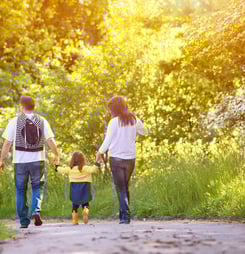
One of the most important activities on this day is to acknowledge and appreciate a brother or sister (or both!) Siblings Day can be celebrated by making a phone call to a sibling, sending a card or gift, making a dinner invitation, or simply going for a walk in the park.
For those who have siblings who have passed away, this might be a nice time to visit a place that holds happy memories from younger days. It might be necessary to take time to be sad, if needed, and also take time to remember and be thankful.
Reminisce Through Old Photos
Many people have lots of old photos that they haven’t looked at in quite some time. Whether they were taken on film long ago and are now sitting in a shoebox somewhere, or they have been digitized and are easily accessible online, Siblings Day is a fun day to enjoy the nostalgia of those photos.
Share them with others in the family who might also have enjoyable memories. Siblings Day might even be the right time to put together a scrapbook to hold photos, memories and stories of beloved brothers and sisters.
Make Use of The Siblings Day Foundation Resources
As part of their work, the Siblings Day charitable organization provides different types of help related to siblings, whether due to grief and loss or the need for connection. Some of the services offered by the organization include:
- Sibling-2-Sibling Support Groups. Offered to those who need help with grief recovery due to the loss of a sibling, this support service engages the help of professionals such as social workers and psychologists.
- Lost Sibling Registry. For those who have lost touch with a sibling for some reason or another, this registry helps to match up missing brothers and sisters with each other.
- Adopt-a-Sibling Program. Providing resources that helps facilitate the adoption of siblings.
Teach Children to Appreciate Their Siblings
It’s never too early to get a start on teaching children to love and care for their brothers and sisters!
For parents of little ones who want to celebrate Siblings Day, it’s fun to dress siblings in matching outfits and have a photo shoot. Older kids can write letters or stories that include the things they appreciate each other–these can then be put into a memory box to read when the kids grow up!
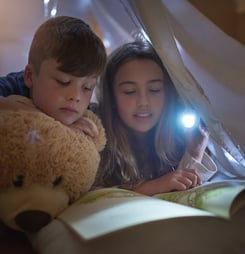
Kids can also read (or have read to them) books about siblings that encourage them to get along. These might include The Evil Princess vs. the Brave Knight by Jennifer L. Holm; Lola Reads to Leo, by Anna McQuinn; The Unbudgeable Curmudgeon, by Matthew Burges; or anything from the Charlie and Lola series by Lauren Child.
Listen to Music about Brothers and Sisters
Creating and sharing a playlist in honor of the relationship between siblings is a fun way to celebrate National Siblings Day. For those who have local siblings, get together and listen to songs that have special nostalgia within the family. For those who have faraway siblings or siblings who have passed away, listening to songs that are reminiscent of times together can be therapeutic.
Put some of these songs onto a playlist on Spotify or another music hosting site, or come up with your own list of songs:
- He Ain’t Heavy He’s My Brother (1969) The Hollies
- My Big Sister (2008) Barenaked Ladies
- Brother Sister (2010) Beta Radio
- Sister to a Brother (2011) Rob Finlay
Watch a Film About Siblings
Whether watching along with a brother/sister or alone, these films feature the relationships between siblings:
- Seven Brides for Seven Brothers (1954). A comedy musical film about a group of backwoods brothers who are all looking to get married.
- Sabrina (1954). Two brothers compete for the attention of a beautiful woman, Sabrina (Audrey Hepburn).
- Hannah and Her Sisters (1986). The stories of three grown siblings whose lives intertwine from one Thanksgiving to another.
- The Fabulous Baker Boys (1989). This rom-com features two brothers (played by actual brothers, Beau and Jeff Bridges) who try to eke out a living as lounge pianists.
National Siblings Day Timeline
Early Study of Birth Order and Sibling Influence
Psychiatrist Alfred Adler begins developing ideas that children’s positions in the family affect personality, highlighting rivalry and support among siblings as central to development.
Adler Publishes “Understanding Human Nature”
Alfred Adler’s book popularizes his birth order theory, bringing sibling dynamics into mainstream psychology and influencing later research on how brothers and sisters shape each other’s lives.
John Bowlby Introduces Attachment Theory
British psychiatrist John Bowlby presents attachment theory, which later inspires research into how older siblings can act as attachment figures and emotional supports for younger children.
Sibling Rivalry Discussed in “The Birth Order Book”
Walter Toman’s work on family constellation examines typical patterns among the oldest, middle, and youngest children, helping clinicians and parents see sibling rivalry and companionship as predictable dynamics.
Anthropologists Reframe Sibling Roles in Kinship Studies
Ethnographic studies in Africa, Asia, and the Pacific show that brothers and sisters often share parenting, economic duties, and ritual responsibilities, challenging Western assumptions that parents are the only key caregivers.
Urie Bronfenbrenner Highlights Family Systems
Developmental psychologist Urie Bronfenbrenner’s work on ecological systems theory emphasizes that child development occurs within a network of relationships, including influential day‑to‑day interactions with siblings.
Comprehensive Review of Sibling Relationships in Development
Developmental psychologist Robert Plomin and colleagues publish influential work on siblings, showing how shared genes and nonshared environments make brothers and sisters both similar and surprisingly different.
History of National Siblings Day
National Siblings Day was founded by Claudia Evart, a freelance paralegal professional from Manhattan, New York, USA. Evart was inspired to start Siblings Day after she had the tragic experience of losing both her brother and her sister in separate accidents at an early age. The date of Siblings Day is very important to its founder as it marks the birthday of her sister, Lisette.
In an effort to promote the day, Evart began the Siblings Day Foundation as a charitable organization in 1995. Since then, the founder has dedicated herself to convincing American government officials to recognize the day. This effort has included 49 state governors, many congressmen and congresswomen, as well as US presidents Obama, Bush and Clinton.
Mostly, however, Evart wants the public all over the world to recognize the day and use it to appreciate their own brothers and sisters. The Siblings Day Foundation also offers resources for people who need help with their sibling relationships.
In addition to the United States, Siblings Day is celebrated in many countries, including Australia, Brazil, India, Japan, Nigeria, Sweden, the United Kingdom, and many more.
Sometimes called Brothers and Sisters Day, this is a day of celebration and recognition for siblings around the world, whether they have passed on or are still living.
Surprising Facts About Siblings and Their Lifelong Influence
Siblings often play one of the longest and most influential roles in a person’s life.
From shared childhood memories to lifelong emotional support, these relationships can shape personality, behavior, and family dynamics in powerful ways.
The following facts explore fascinating research and trends about sibling bonds, birth order, and how changing family structures are influencing sibling experiences around the world.
Sibling Bonds Often Outlast Marriages
Long-term studies have found that sibling ties frequently endure longer than marriages and even many friendships, in part because siblings share both early-life experiences and family history.
Research following thousands of adults over decades has shown that contact and emotional closeness between siblings often remain stable or even increase in later life, whereas marriage and friendship networks are more likely to change through divorce, relocation, or bereavement.
Birth Order Can Shape Personality and Life Outcomes
Psychologists have long studied how birth order relates to behavior, and large-scale analyses suggest modest but measurable patterns.
Firstborn children, for example, tend to score slightly higher on measures of conscientiousness and often take on more leadership roles, while later-born siblings may be more open to new experiences and more willing to take risks.
Although individual differences are large, these patterns have been replicated across multiple countries with tens of thousands of participants.
Only Children Are Increasing Worldwide
Demographic data show that as fertility rates fall, especially in East Asia and parts of Europe, more children are growing up without siblings.
In China, urban one-child households became common following the late-1970s one-child policy, and by the early 2000s, roughly 90 percent of urban youth were only children.
Similar trends are now emerging in countries like South Korea and Italy, where low fertility rates and high living costs mean many families stop at one child.
Sibling Relationships Strongly Influence Mental Health
Longitudinal research indicates that warm, supportive relationships with brothers and sisters in childhood are linked with lower rates of depression and anxiety in adolescence and adulthood.
Conversely, chronic conflict, aggression, or bullying between siblings is associated with higher risks of behavioral problems and later mental health challenges.
These effects often remain even after accounting for parenting style and socioeconomic status, highlighting siblings as a distinct influence on psychological well-being.
Twins and Multiples Reveal the Power of Shared Genes and Environments
Twin and sibling studies have been central to understanding how genes and upbringing shape human traits.
By comparing identical twins, fraternal twins, and non-twin siblings, researchers estimate that many psychological characteristics, such as intelligence, personality, and risk for certain mental illnesses, are influenced by a roughly equal mix of genetic and environmental factors.
Large twin registries in countries like Sweden and the United Kingdom have produced decades of data underpinning modern behavioral genetics.
Sibling Violence Is One of the Most Common Forms of Family Aggression
While popular culture often treats sibling rivalry as harmless, surveys suggest that physical aggression between siblings is widespread and can be serious.
A national U.S. study of children found that about one-third experienced some form of sibling aggression in a single year, including physical assault, property damage, or psychological aggression.
Researchers argue that persistent, severe sibling violence can have effects comparable to peer bullying, increasing the risk of later mental health and behavioral problems.