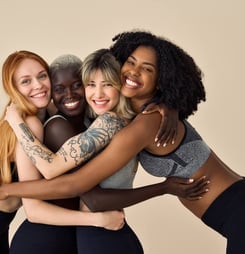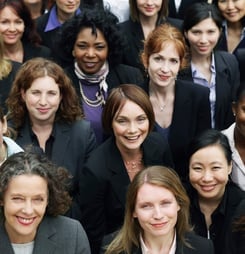

Let’s dive into the vibrant world of International Smart & Sexy Day! This day sparkles with the celebration of everyone’s unique brilliance and allure. It’s a special moment to recognize and embrace the diverse intelligence and talents that flourish within each of us.
How to Celebrate Smart & Sexy Day
Here are some fun and unique ways to embrace International Smart & Sexy Day, making it memorable and impactful:
Organize a Confidence Workshop
Get together with friends or colleagues and host a workshop focused on building confidence and professional skills. Include sessions on public speaking, resume crafting, and dressing for success.
Donate Professional Attire
Clean out your closet and donate gently used professional clothing to local organizations that support job-seekers. It’s a great way to give back and help others feel their best.
Attend a Virtual Seminar
Look for online events or webinars that celebrate the day. These can range from discussions on women’s achievements to career development strategies.
Share Inspiring Stories
Use social media to share stories of inspiring individuals who embody the spirit of being both smart and sexy. Highlight their achievements and how they’ve impacted their communities.
Treat Yourself
Celebrate your intelligence and allure by doing something that makes you feel confident and empowered. This could be as simple as reading a book that stimulates your mind or pampering yourself with a spa day.
Set Personal Goals
Take this day to reflect on your achievements and set new personal and professional goals. It’s a time to embrace your aspirations and plan for future success.
Support Women-Owned Businesses
Make an effort to support local and online businesses run by women. Buying their products or services not only celebrates their success but also contributes to the economy.
Each of these suggestions offers a way to honor the essence of International Smart & Sexy Day while contributing positively to your own life and the lives of others. Picture a day dedicated to acknowledging the strength that comes from combining smarts with sexiness – that’s what this day is all about.
Why Celebrate Smart & Sexy Day?
It’s all about empowering individuals, especially women, to shine in both their careers and personal lives. The day is marked by events and activities designed to boost confidence and skills, aiming to improve employment opportunities and overall quality of life.
The theme for 2024 was Maximum Uplift, focusing on overcoming job market challenges and finding the right fit for one’s needs and lifestyle.
This celebration not only acknowledges the low unemployment rates but also addresses the layoffs and uncertainties facing job seekers. By fostering confidence, it encourages people to articulate their needs and redefine their best lives.
So, how can you participate? The kickoff for a month-long celebration happens on March 1st, with various member organizations hosting their events throughout Women’s History Month. These gatherings offer a chance to network, learn, and get inspired.
Participants often receive foundational garments from Smart&Sexy, symbolizing the practical support the day aims to provide. Whether you’re seeking to enhance your job prospects or want to celebrate your smart and sexy self, this day has something for everyone.
Smart & Sexy Day Timeline
Early Bluestocking Salons in Britain
Informal gatherings of well-read women such as Elizabeth Montagu’s salons begin to be called “Bluestocking” circles, associating women’s social grace with conversation, learning, and wit.
Publication of “The New Aspect of the Woman Question”
Sarah Grand’s influential essay coined and popularized the term “New Woman,” presenting educated, independent heroines who refuse to choose between personal style, romance, and intellectual ambition.
“Rosie the Riveter” Becomes a Wartime Icon
A Westinghouse Electric poster of a strong woman in a polka dot bandanna and the hit song “Rosie the Riveter” circulate widely, linking women’s competence, patriotism, and feminine appeal in factory work.
“The Feminine Mystique” Challenges Limiting Ideals
Betty Friedan’s book exposes the unhappiness many suburban housewives feel when reduced to looks and domesticity, helping spark second-wave feminism and a push for broader definitions of women’s fulfillment.
“Girl Power” Popularized in Pop Culture
British pop group the Spice Girls burst onto the global music scene, promoting a “girl power” message that celebrates confidence, friendship, and playful sex appeal alongside independence and self-belief.
History of Smart & Sexy Day
International Smart & Sexy Day has a colorful and meaningful history filled with the spirit of empowerment and celebration. This special day started with a simple but powerful idea: to highlight and honor the blend of intelligence and allure that every person embodies.
It’s not just about looking good; it’s about feeling confident in your smarts and your looks, recognizing that these qualities are not mutually exclusive but rather complementary.
The story begins with the Alliance of Career Development Nonprofits (ACDN) deciding to create a day that would resonate across the country. They wanted to nudge encouragement to women, helping them to see their worth and potential in both their careers and personal lives.
The initiative received backing from Smart&Sexy®, one of the largest privately held lingerie companies, showing that support for such causes comes from various corners of the business world.
This partnership is a testament to the belief that everyone deserves to feel confident and prepared for the opportunities life throws their way.
From its inception in 2012, the day has grown into a month-long celebration during Women’s History Month, featuring events that aim to boost women’s confidence and skills for employment.
Despite the initial focus on a single day, organizations across the country now select their dates to celebrate, spreading the message far and wide. This approach amplifies the impact, creating waves of positivity and empowerment throughout March.
The day’s evolution reflects a growing acknowledgment of the unique strengths everyone brings to the table, making it a beacon of hope and confidence for many.
Smart & Sexy Day Facts
Looking confident and professional isn’t just about fashion—it’s about opportunity, perception, and empowerment.
These facts explore how professional style, first impressions, and workplace expectations have shaped the way appearance influences confidence, career access, and professional success over time.
Tailored Clothing Programs Grew Alongside Women’s Workforce Participation
Modern “suiting” programs that provide professional outfits to job seekers emerged in the mid‑1990s as women’s labor force participation peaked in the United States.
Organizations such as Dress for Success, founded in 1997, and similar nonprofits began offering donated suits, accessories, and styling guidance because research showed that appropriate work attire was a barrier for low‑income women entering office and service jobs.
These programs now operate in dozens of countries and serve tens of thousands of women each year.
First Impressions in Hiring Are Formed in Seconds
Experimental research in organizational psychology has found that hiring managers form strong impressions of a candidate’s competence and “fit” within the first few seconds of an interaction, often based heavily on appearance and nonverbal cues.
One study published by psychologists at the University of Toledo found that evaluators formed relatively stable impressions of a job candidate’s competence from just 10 seconds of silent video, illustrating why clothing, grooming, and posture can meaningfully affect interview outcomes even before any questions are asked.
Professional Dress Codes Have Shifted but Remain Uneven
Although many U.S. workplaces adopted “business casual” policies beginning in the 1990s, expectations around women’s professional clothing remain more restrictive than for men.
Sociological analyses of corporate dress codes show that women are often evaluated not only on neatness and formality but also on how closely they adhere to narrow norms of femininity, such as wearing modest heels or makeup, which can influence perceptions of competence and likability during hiring and promotion decisions.
Confidence and Self‑Efficacy Predict Career Success
Longitudinal studies in labor economics and psychology have found that self‑efficacy, or a person’s belief in their ability to succeed, is linked to higher wages and better career progression.
For example, data from the U.S. National Longitudinal Survey of Youth show that workers, and particularly women, with higher measured self‑esteem and self‑efficacy in young adulthood tend to earn more and are more likely to stay continuously employed over time, even after controlling for education and cognitive test scores.
Body Image Concerns Can Depress Women’s Earnings
Economists and public health researchers have documented that weight stigma and body image pressures have measurable economic consequences for women.
A review of European and U.S. data found that women classified as obese earned significantly less than women in the “normal” weight range, even with similar education and experience, suggesting that employer bias toward appearance and societal ideals of attractiveness can translate directly into lower pay and fewer opportunities.
Lingerie Has Been Reframed as Both Constraint and Empowerment
Historical studies of women’s undergarments describe how items like corsets and girdles were once viewed primarily as instruments of control over women’s bodies.
Since the late 20th century, however, feminist scholars have noted a dual shift: while some criticize modern lingerie marketing for reinforcing objectifying beauty standards, others argue that choosing attractive, well‑fitting “foundation garments” can function as a form of bodily autonomy and everyday empowerment, particularly when women select these items for comfort and confidence rather than for the male gaze.
Undergarments Affect Posture and Perceived Confidence
Clothing researchers and ergonomics specialists note that supportive undergarments are not purely cosmetic; they can change how a person carries themselves.
A well‑fitted bra, for example, has been shown in clinical studies to improve posture, reduce back pain in women with larger busts, and increase comfort during daily activities.
These physical effects can indirectly influence how confident and energetic a person appears in social and professional settings, which can matter in client‑facing or interview situations.