
Who doesn’t love pulling on a cozy sweater on a cold day? It’s like getting a hug from the universe when you feel the weight and comfort as the sweater settles around you. You even hug yourself when you put it on… don’t hide from it, you know you do!
Ladies, is there anything better than swiping your man’s sweater? That oversized, cologne-scented, hug of warmth keeps him close when he isn’t there. Guess what? It is National Sweater Day!
You have a great reason to dive into his closet and pick your favorite without feeling guilty.
National Sweater Day Timeline
From Underwear to Outerwear
Knitted wool jerseys and cardigans shift from men’s sports undergarments to everyday outer garments, laying the groundwork for the modern sweater.
Chanel Introduces Jersey Knit Sportswear
Gabrielle “Coco” Chanel began using humble wool jersey for relaxed women’s garments in Deauville, challenging stiff, corseted fashions.
The Sweater-Blouse Revolution
Chanel popularizes the “sweater-blouse,” adapting men’s pullovers with pushed-up sleeves and a belt, helping normalize sweaters in women’s wardrobes.
Sweaters Become High Fashion
Designers like Chanel and Jean Patou turn knit sweaters into chic sportswear for modern, active women, cementing sweaters as stylish daywear.
Traditional Fishermen’s Sweaters Gain Fame
Distinctive regional styles such as Irish Aran and Scandinavian patterned pullovers spread beyond working communities, becoming iconic cold‑weather wear.
Central Heating and the Thermostat Boom
Widespread adoption of central heating and programmable thermostats in homes raises indoor temperatures, making sweaters a conscious choice rather than a necessity.
Energy Conservation Enters the Living Room
Climate campaigns begin urging households to “turn down the thermostat and put on a sweater” as a simple way to cut emissions and save on heating bills.
How to Celebrate National Sweater Day
Consider Those Heating Bills
Yes, take some time to investigate your fuel needs and costs. Get a good idea of where you stand financially and environmentally.
Then, gather the family together – sweater-clad of course! – and talk about it. See if you can make a plan to reduce what you use.
Turn Down Your Thermostat
Did you know that if an entire nation just turned their thermostats down by two degrees it would be the same as taking over 700,000 cars off the road!
Make a game of it and see what other facts can be found about how much the planet could benefit just by putting on a sweater!
Talk About Conservation Efforts
If you have children, take them to see all the wonderful animals at zoo, park or aquarium. Talk to them about how conserving energy will keep the animals growing and well for years to come. Or conversely how many animals are now extinct or on the endangered species list.
Take the day to make an adventure of finding causes in your community that as a family you can help make a difference in!
History of National Sweater Day
Beginning in the early 2000’s National Sweater Day has been a great tool to get people thinking and talking about energy conservation.
This event not only lets us show off all the gifts we get from Granny, but lets us dig deeply into our closets. National Sweater Day is a day to enjoy snuggling up, but it also has a tone that is a bit more serious.
It reminds us that when we don our sweaters, we can turn the thermostat down. We can lower the amount of fuel that is needed to keep us toasty in the wintertime.
Do you hate it when those winter fuel bills show up? Does it make you feel like you need a fourth job? Have you taken the time to think larger than that and wonder what your fuel use does to the environment? This is the day to think about all of that.
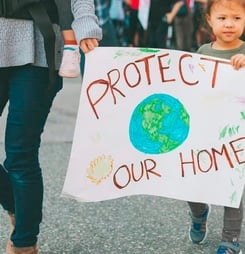
Even the WWF (World Wildlife Fund) supports this day as the earth and all the animals on it are heavily affected by the various uses of fuel. Pollution sickens the sky and water.
Overpopulation increases the amount of fuel needed and therefore makes it more difficult for the land based animals as well. But it is not all doom and gloom on this day, I assure you!
Facts About National Sweater Day
Before diving into the details, it helps to understand why National Sweater Day exists in the first place. The facts below explore how this cozy observance began, what it promotes, and why something as simple as wearing a sweater has become a symbol of comfort, sustainability, and mindful living during the colder months.
Thermostat Tweaks Can Cut National Emissions
Modeling by Ontario’s environment ministry estimated that if every Canadian household turned down its winter thermostat, the country could avoid about 2.2 megatonnes of CO₂ emissions per year—roughly equivalent to taking 350,000 cars off the road—demonstrating how small indoor temperature changes can translate into large-scale climate gains.
Residential Heating Is a Major Source of Climate Pollution
World Wildlife Fund guidance on home energy use highlights that space heating is often the single largest contributor to household energy consumption and associated emissions, so reducing thermostat settings and improving insulation can significantly shrink a home’s overall carbon footprint.
Small Thermostat Changes Deliver Noticeable Energy Savings
Energy‑conservation materials used in Canadian school campaigns note that lowering a home thermostat by just 2 °C during the heating season can cut energy used for space heating by up to about 10%, especially in colder climates where furnaces and boilers are major energy loads.
Campus Heating Adjustments Offer Teachable Moments
Postsecondary institutions in British Columbia describe using short‑term thermostat reductions in winter as hands‑on demonstrations of energy management, showing students and staff through building dashboards how even a one‑ or two‑degree change in setpoint measurably lowers natural gas or electricity use for heating.
Jimmy Carter Publicly Championed Sweaters for Energy Security
During the late‑1970s energy crisis, U.S. President Jimmy Carter addressed the nation in a televised speech from the White House urging Americans to conserve fuel by turning down their thermostats and wearing sweaters, an early high‑profile example of linking warmer clothing indoors with national energy policy.