While off-the-rack clothes may have become commonplace, even among some of the best dressed folks in fashion magazines, the tailor still plays an integral part in ensuring that some people look their very best.
A talented tailor can make a favorite jacket look sharper, rescue a beloved dress from the “almost fits” pile, and turn a decent outfit into one that feels made for the person wearing it. National Tailors Day is the ideal opportunity to notice that quiet craft and say a genuine “thank you” to the people behind the seams.
How to Celebrate National Tailors Day
From just giving a little thank you to a local tailor to taking the time to order a custom made suit, National Tailors Day is the perfect time to show appreciation for these amazing sewing masters. Enjoy celebrating the day with some of these interesting and fun ideas:
Wear a Tailored Suit
Arguably the best way to celebrate the day, and to show thanks, is to wear a suit or outfit that was professionally tailored to fit. Tailoring is one of the rare style “upgrades” that is not about trends at all. It is about proportion, comfort, and the way fabric moves when a person sits, walks, reaches, and breathes.
For anyone who already owns tailored clothing, this is a great time to take it out for a spin, even if the occasion is simple. A jacket that sits cleanly at the shoulders, sleeves that stop at the right point on the wrist, and trousers hemmed to the right break can change the entire impression of an outfit.
People often assume “tailored” means stiff or formal, but good tailoring can be wonderfully relaxed. A casual blazer can look easy and natural when the waist is shaped just enough, the sleeves are balanced, and the collar sits flush against the neck.
Don’t have one? Then this day is a good excuse to explore what “tailored” can mean in real life, beyond glossy pictures. Start by choosing what level of customization fits the budget and lifestyle:
- Alterations: Taking an existing item and improving the fit. This is usually the best value and the fastest way to feel the difference.
- Made-to-measure: A garment created from a standard pattern adjusted to measurements. It offers more personalization than off-the-rack, often with fabric options and small design choices.
- Bespoke: A garment built from the ground up for one person, typically involving multiple fittings and deeper pattern work. It is the slow-craft option, and for many it becomes a long-term wardrobe investment.
If booking an appointment, it helps to come prepared. Wearing the shoes intended for the outfit can affect trouser length, and bringing the shirt that will be worn with a suit can influence sleeve and jacket proportions. It also helps to speak up about comfort preferences: some people like a close fit; others want room to move. Tailors are experts, but they cannot read minds, and the best results come from a quick, clear conversation.
And if the idea of a full suit feels like too much, celebrate with a single tailored piece. A well-altered pair of jeans, a properly fitted shirt, or a dress adjusted to sit smoothly at the waist can deliver the same satisfaction: clothing that finally behaves.
Show Appreciation to a Tailor
Some people who are especially grateful for the relationship they have with this master of fabric and needles may choose to buy cards and even gift baskets for their tailors. Those who have a personal friend or family member who is in the profession might want to have flowers delivered with a little card that shows them how important they have been to making everyone in their world look amazing!
Appreciation can also be practical, and many tailors tend to love gestures that show respect for their time and skill. Consider a few tailored, no pun intended, ways to say thanks:
- Leave a thoughtful review: Not just “great service,” but specifics such as “matched the hem invisibly” or “balanced the jacket so it no longer pulls.” Details help other customers understand the craft.
- Recommend them to someone who will value the work: Tailors are often built on word of mouth, and sending the right customer is a gift. Mention the type of work they do best, such as suits, bridal alterations, uniforms, leather, or vintage repairs.
- Be a good client: Arrive on time, bring the right garments (including underlayers if needed), and be honest about deadlines. Tailoring takes time, especially when a shop is busy.
- Respect the expertise: If a tailor advises against an alteration because the fabric will show marks, the proportions will look off, or the garment construction will fight the change, that is not stubbornness. It is professional experience trying to save a customer from disappointment.
- Offer sincere gratitude in the moment: Many people only speak up when something is wrong. A quick “this fits perfectly, thank you” can mean a lot.
For friends and family members who sew professionally, appreciation might look like supporting their craft beyond clothing. Quality thread, fabric shears, pressing tools, a sturdy seam ripper, or even a gift certificate to a fabric store can be both fun and useful.
Another meaningful gesture is simply asking about their work and listening. Tailoring is a mix of artistry and engineering, and many tailors enjoy sharing what makes a garment “work.”
Watch Some Tailors on the Big Screen
Get inspired for National Tailors Day by watching some entertaining and interesting stories about fictional and real tailors and dressmakers. Check out some of these films and movies that have captured them:
- The Outfit (2022). This crime drama film tells the story of a simple English tailor who works in a Chicago shop that caters to mobsters.
- Men of the Cloth (2013). A documentary sharing the inside story of three Italian masters who share secrets of their passionate artistry while they seek to maintain their Old World style in an ever-changing modern world.
- The Dressmaker (2015). Kate Winslet stars in this comedy drama depicting a woman dressmaker who returns to her small Australian town.
- Phantom Thread (2017). This drama is centered around a tailor and dressmaker from 1950s London.
To make the viewing feel more connected to the craft, it can be fun to watch with “tailor eyes.” Instead of only following the plot, notice the details filmmakers use to signal skill and precision: the ritual of measuring, the quiet focus of hand stitching, the rhythm of pressing, and the way clothing communicates status, personality, or transformation.
Many movies also highlight an important truth about tailoring: it is intensely personal. A tailor is often trusted with clothing tied to major life moments, from performances and interviews to weddings and memorials.
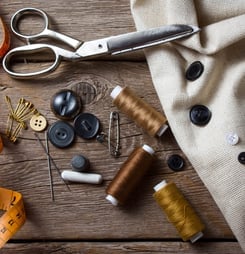
Pair the movie with a small hands-on activity for extra immersion. Set out a simple sewing kit and practice sewing a button properly, or learn a basic running stitch on scrap fabric. It is a humbling way to appreciate how much control it takes to keep stitches even and strong.
National Tailors Day Timeline
Rise of Tailors’ Guilds in Medieval Europe
Specialized tailors’ guilds emerge in cities such as London and Paris, regulating training, quality, and prices, and distinguishing professional tailoring from general cloth-making trades.
Incorporation of the Worshipful Company of Merchant Taylors
The London “Taylors and Linen Armourers” receive their first royal charter, becoming one of the Great Twelve Livery Companies and a powerful institution overseeing the craft of tailoring.
Birth of Modern Bespoke Tailoring
As men’s fashion shifts toward understated, close-fitting garments, tailors in London and Paris begin cutting individual paper patterns and fitting garments directly to clients, creating the modern bespoke system.
Savile Row Becomes a Tailoring Center
Savile Row in London develops into a hub for elite men’s tailoring, with houses like Henry Poole & Co. serving aristocratic and royal clients and defining the English bespoke suit.
Elias Howe Patents Lockstitch Sewing Machine
American inventor Elias Howe received a U.S. patent for his lockstitch sewing machine, dramatically speeding up garment construction and transforming both home sewing and professional tailoring.
Rise of Ready‑Made Clothing in the United States
Mass production of standardized uniforms during the U.S. Civil War accelerated the development of ready‑made men’s clothing, reshaping the tailoring trade toward alterations and higher‑end custom work.
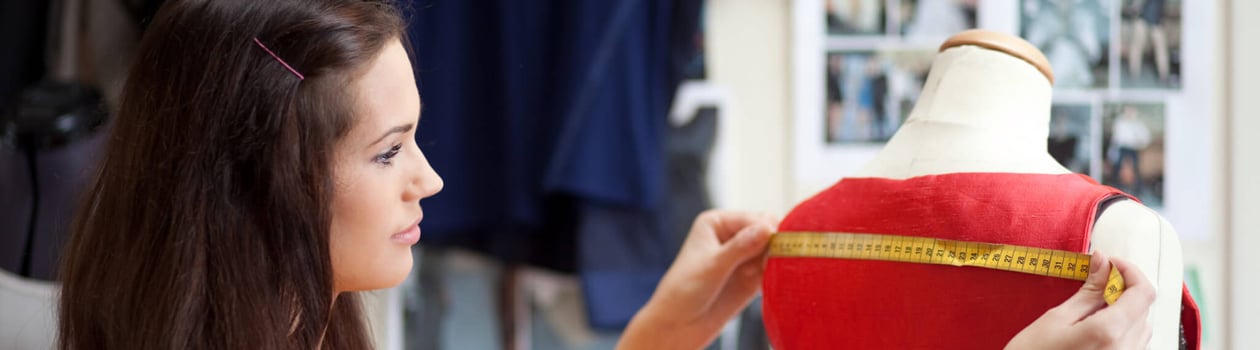
Standardized Sizing and the Tape Measure Refine Fit
With tape measures in routine use and large-scale sizing surveys (such as early U.S. studies) informing pattern grading, tailors and manufacturers adopt standardized size systems that balance mass production with improved fit.
History of National Tailors Day
National Tailors Day is a day where people are encouraged to dress their best and to reach out and thank the person that helps them achieve their high level of sartorial elegance!
Tailoring has a long reputation for turning fabric into confidence. At its heart, the work is a blend of measurement, geometry, and a highly trained eye. Even when two people wear the same size on a label, their bodies carry that size differently. A tailor reads posture, shoulder slope, hip shape, and movement, then adjusts a garment so it looks intentional instead of accidental.
There is no doubt that the skill of a good tailor is a mysterious, almost magical thing. They can create the perfect outfit, for any event, and can make even the most casual dresser appear elegant and attractive. In addition, a tailor can also hem, take in, let out and just generally make everything fit just like it was made for you! So it stands to reason, therefore, that they should be properly celebrated.
It also helps to know what “tailoring” covers, because the word gets used loosely. In many communities, a tailor is the person who handles alterations: hemming pants, shortening sleeves, tapering shirts, replacing zippers, repairing seams, adding darts for shape, or adjusting waistbands.
In other settings, a tailor is a specialist in structured garments, especially jackets and suits, dealing with linings, canvassing, collar roll, shoulder balance, and the relationship between the jacket and the wearer’s stance. Some tailors focus on one niche, while others are skilled generalists who can handle everything from denim repairs to formalwear.
The craft is also deeply tied to the tools of the trade. Measuring tape and chalk are only the start. A pressing iron and a proper pressing technique can shape fabric in ways that surprise people who assume sewing is only about stitching.
The press can ease fullness, sharpen edges, and help a garment “remember” its intended lines. This is why good tailoring often looks effortless: much of the effort happens before the final stitch ever appears.
Celebrated on the first Wednesday in the month of June, National Tailors Day is intentionally set to be near the birthday of a very significant person in the work of tailors: Elias Howe.
Born on a Wednesday in early June, Mr. Howe was an American inventor credited with the creation of a sewing machine that revolutionized the garment industry. He received the patent for this lock-stitch method of sewing machine in 1846 and Howe went on to become a millionaire.
Howe’s lockstitch system helped change how clothing could be produced, making stitching faster and more consistent than hand sewing for many types of seams. That shift did not erase tailoring, but it reshaped it.
As clothing became more available, the tailor’s role expanded beyond making garments from scratch. Tailors increasingly became experts at refining fit, improving comfort, and customizing mass-produced items for real bodies and real lives. In other words, technology sped up the base garment, and tailoring became the finishing touch that made it personal.
Modern tailoring is full of small, satisfying transformations. A blazer that collapses at the back of the neck can be corrected through collar adjustments. Pants that twist around the leg can sometimes be balanced. A dress that gaps at the bust might be improved with strategic darts or strap adjustments. Even a simple hem can be an art, depending on fabric weight, stitch visibility, and the desired drape.
At the same time, tailoring has developed a reputation for sustainability and practicality. Extending the life of clothing through repairs, resizing, and reinforcement keeps favorite pieces in rotation longer.
That can mean patching worn elbows, darning small holes, replacing a lining, or reinforcing stress points. Many tailors also help people navigate body changes by adjusting garments that still have plenty of life left in them, making wardrobes more flexible and less disposable.
While some people might believe that having a tailor is a luxury that is only meant to be used for formal wear or business suits, it’s important to remember that many types of clothing are made more appealing and attractive when they’ve been fitted by a tailor.
A winter coat that closes comfortably, a uniform that allows movement, a stage costume that survives quick changes, or a thrifted find that becomes a signature piece all benefit from professional adjustment.
National Tailors Day is ultimately a celebration of a craft that sits quietly in the background of everyday life. When clothing fits well, it stops demanding attention and starts supporting the person wearing it. That invisible success is exactly why tailors deserve a moment in the spotlight.
Guilds Turned Tailoring Into a Regulated Craft
By the late Middle Ages, tailoring had become so specialized that many European cities required tailors to join formal guilds, which controlled training, quality, prices, and even who could make what type of garment.
In places like London, Paris, and Florence, these guilds set strict apprenticeship terms that could last seven years or more, helping to turn tailoring from informal household work into a recognized urban profession with its own rules and status.
Savile Row Helped Define the Modern Men’s Suit
Savile Row in London emerged in the 19th century as a center for bespoke menswear, shaping what people now think of as the classic tailored suit.
Tailors there refined hand-cut patterns, canvassed jackets, and precise fittings for aristocrats, military officers, and later businessmen, helping to standardize elements like lapel shapes, structured shoulders, and slim waists that are still copied worldwide in modern tailoring.
Bespoke, Made-to-Measure, and Ready-to-Wear Are Not the Same
In clothing, “bespoke” technically refers to garments drafted from scratch for one client, with individual patterns, multiple fittings, and extensive handwork, while “made-to-measure” typically alters a standard base pattern to a customer’s measurements and preferences.
Ready-to-wear is cut in fixed sizes and sold as is, a system that only became dominant in the 20th century with industrial production and standardized sizing.
The Lockstitch Sewing Machine Transformed Garment Work
The invention of the lockstitch sewing machine in the 19th century turned sewing from a purely hand-driven craft into an industry.
A lockstitch interlocks two threads from a needle and a shuttle, producing a strong, uniform seam that machines could make far faster than hand sewing, which enabled mass production of clothing but also reshaped the work tailors did, shifting them toward fitting, alteration, and high-end custom pieces.
Tailors Were Early Adopters of Pattern Drafting Systems
Before printed commercial patterns became common in the 19th century, professional tailors relied on proportional drafting systems that used key body measurements and geometric rules to draw garment pieces directly onto cloth or paper.
Manuals and “tailor’s systems” circulated across Europe and the United States, allowing skilled practitioners to create consistent, repeatable fits while still customizing for each client’s posture and shape.
Men’s Business Suits Emerged From Military and Court Dress
The modern man’s tailored business suit descends from earlier European frock coats, military uniforms, and court dress, which favored fitted bodies, structured shoulders, and carefully cut lapels.
As 19th-century societies industrialized and offices replaced courts as centers of power, tailors adapted these formal garments into simpler, dark wool suits that signaled professionalism and respectability in the workplace.
Tailoring Skills Help Reduce Fashion Waste
Skilled tailoring and alterations play a quiet role in sustainability by extending the life of garments and making secondhand or inherited clothing wearable again.
Studies on textile waste have found that fit problems are a common reason people discard clothing, so the ability to adjust waistlines, hems, and silhouettes can keep items in use longer and slow the flow of textiles into landfills.