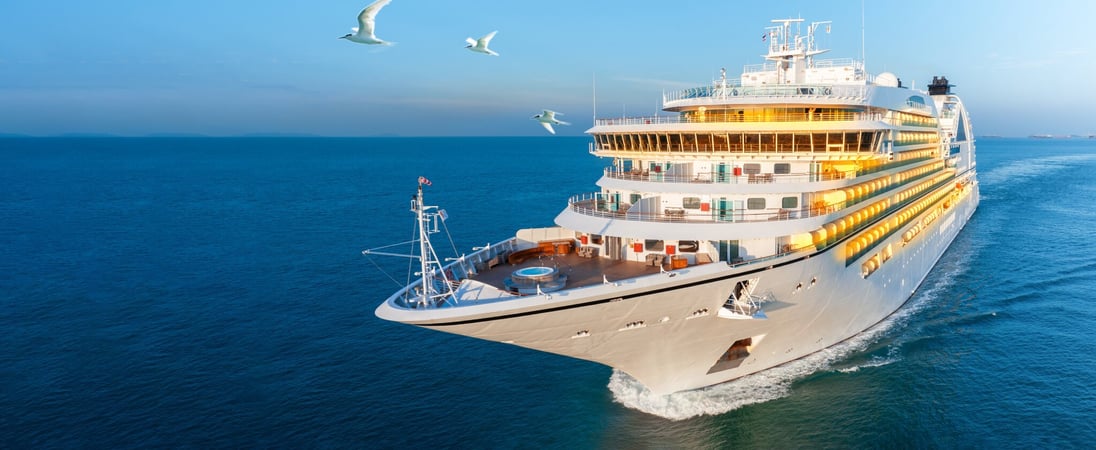
Take a Cruise Day
From dining and entertainment to sightseeing and relaxation, enjoy the open sea and explore exotic ports of call on a dream cruise.
From tropical to exotic, from fun to romantic, taking a cruise is a great way to enjoy time upon what feels a lot like a floating city!
Get to meet a variety of new friends, celebrate a family reunion, take the kids on a Disney vacation on the sea, and let someone else do all of the planning of that itinerary.
Now, Take a Cruise Day is here to encourage everyone to take time to plan their next adventure on the water!
Take a Cruise Day Timeline
1844
P&O Launches Early Leisure Sea Tours
British line P&O begins offering Mediterranean “sea tours” from Southampton, often cited as the birth of organized leisure ocean cruising, distinct from simple transport.[1]
22 January 1891
Augusta Victoria Embarks on Pioneering Mediterranean Cruise
Hamburg America Line’s steamship Augusta Victoria departs on a 57‑day Mediterranean and Near East voyage, widely regarded as the first long ocean cruise marketed purely for pleasure.[2]
29 June 1900
First Purpose‑Built Cruise Ship, Prinzessin Victoria Luise, Is Launched
Hamburg‑America Line launches Prinzessin Victoria Luise, designed exclusively for luxury cruising with only first‑class cabins, becoming the world’s first purpose‑built cruise ship.[3]
27 May 1936
RMS Queen Mary Showcases the Glamour of Ocean Travel
The Cunard liner Queen Mary departs Southampton on her maiden voyage, symbolizing the golden age of transatlantic ocean liners that blended transportation with high‑end leisure.[4]
15 April 1912
Titanic Disaster Spurs Major Maritime Safety Reforms
After the RMS Titanic sank on her maiden voyage, international outrage led to the 1914 SOLAS convention and stricter lifeboat, radio, and safety standards that later shaped modern cruise operations.[5]
1972
Carnival Cruise Line Helps Create Mass‑Market Cruising
Ted Arison founded Carnival Cruise Line using a converted ocean liner, aiming to make cruises casual and affordable, a shift that fuels the boom in Caribbean and leisure cruising.[6]
1982
Purpose‑Built Modern Cruise Ships Expand the Floating‑Resort Concept
Carnival introduces the Tropicale, its first ship built specifically for year‑round warm‑weather cruising, helping cement the model of large “floating resort” ships focused entirely on vacationers.[7]
History of Take a Cruise Day
While travel on board boats has been part of human history for thousands of years, it wasn’t until more recently that boat travel for the sake of pleasure became commonplace.
In 1844, P&O first introduced their passenger cruising services, which took passengers on sea tours from Southampton, England, to places such as Malta, Athens and Gibraltar.
As luxurious cruise ship options began to develop, cruise lines began to become even more popular in the late 1800s. By the early 1900s, luxury travel across the Atlantic from the United States to Europe began.
The most infamous of these luxury cruise line ships was the Titanic, the largest ship on the ocean at the time, that met its demise when it sank in 1912.
The problems with the Titanic aside, cruises are a very safe way to travel. Not only are there tons of safety precautions, but they use cutting edge technology to ensure their passengers are well cared for.
For those who love the water, cruise vacations offer a number of benefits, including seeing several destinations while only having to unpack one time! Usually family friendly, cruise ships offer all sorts of different activities, sightseeing options and entertainment. Plus, cruises are super easy to plan because all of the hard work is already done for the passengers, so there is no decision-fatigue or fear of messing it up.
How to Celebrate Take a Cruise Day
Get on board with Take a Cruise Day by implementing some of these fun and delightful ideas for enjoying the adventure of travel on the water:
Take a Cruise, Of Course!
Well, perhaps this isn’t the exact day for leaving on the cruise, but it’s certainly a good day to get started with planning it. Get on the phone with that travel agent and make an appointment to meet and have a chat about the best options for taking a cruise in honor of Take a Cruise Day.
Perhaps the top of the list might be to plan an Alaskan cruise with a slow pace and some amazing scenery.
Or maybe it’s a cruise to the Bahamas where the laid-back attitude of sun-splashed islands offers a super chill way to relax and enjoy the fun. On the other hand, a Mediterranean or Norwegian cruise allows travelers to experience old world charm and unique destinations.
No matter where the cruise goes from or to, Take Cruise Day is an incredible time to celebrate and enjoy the beauty and pace of ocean, sea or river travel!
Watch Some Shows About Taking a Cruise
Not ready to make a commitment to booking that cabin on the cruise ship quite yet? Or maybe it’s a bit of seasickness that is getting in the way. That’s okay! It’s still possible to celebrate Take a Cruise Day by joining in on the fun in other ways.
For instance, it might be fun to get a feel for the day by watching a movie or show that features a cruise. Get started with some of these fun ideas:
- The Love Boat (1977-1986). This classic show, filmed on the Pacific Princess, featured a cast of beloved characters and became one of the longest running shows on television at the time.
- Like Father (2018). Kristen Bell and Kelsey Grammar star in this delightful comedy about a woman who finds it necessary to connect with her estranged father when she is left at the altar so her dad comes with her on her honeymoon cruise.
- Alvin and the Chipmunks: Chipwrecked (2011). A live-action, computer animated comedy for the whole family, this musical movie follows Alvin and his friends on an adventure as they head toward the International Music Awards.
- One Crazy Cruise (2015). This fun Nickelodeon made-for-TV movie features the story of a girl and her brother who go on a cruise with their two new step siblings. As the family hopes to bring each other closer, they end up with a crazy night and a crazy day – equaling one crazy cruise!
Learn More About Taking a Cruise
In celebration of Take a Cruise Day, take some time to get informed, learn more about what it’s like to take a cruise, and dispel some myths. Get started with some of these important pieces of information:
-
Cruises aren’t just for old people!
While some senior citizens certainly do enjoy taking a cruise, these vacation adventures are fun for people of all ages, from children to teenagers, from young adults to mature adults and everyone in between.
-
Cruises can be affordable
Many people think that they would be unable to afford a cruise, but breaking it down can actually help people find a cruise that will fit in their budgets, especially when adding in full-board food, transfers, accommodations, on-board activities and entertainment.
-
Cruises don’t often cause seasickness
Because cruise ships are so large, people on board them typically do not succumb to seasickness. The technology of stabilization and the sheer size of the vessel means that people usually forget they are even on the water!
-
Cruises are filled with adventure
Some people might think that being stuck on a boat is boring, but this is far from true. In fact, like small cities, cruise ships have tons of things to do, from spas and fitness centers to go-kart tracks and sky-diving, from laser tag to water parks. Not to mention the sightseeing on some cruises. There’s never a dull moment on board a cruise ship.
Take a Cruise Day FAQs
How safe are modern cruise ships compared with other types of travel?
Modern cruise ships must comply with international safety rules such as the International Convention for the Safety of Life at Sea (SOLAS) and are subject to inspection by flag and port states, which has led to generally low rates of serious casualties compared with the very large number of passenger voyages each year. However, investigations of past incidents show that fires, groundings, and loss of power can still occur, and authorities emphasize the importance of crew training, emergency drills, and enforcement of safety standards to protect passengers. Travelers can review official marine accident reports and safety recommendations published by organizations such as the U.S. National Transportation Safety Board to better understand the types of risks that have been identified. [1]
What health and hygiene standards do cruise ships have to meet?
Cruise ships visiting U.S. ports participate in the Centers for Disease Control and Prevention’s Vessel Sanitation Program, which inspects potable water systems, food preparation areas, recreational water facilities, housekeeping, and medical facilities and assigns each ship a numerical score; inspection reports and scores are published for public review. Internationally, ships must also comply with requirements under the International Health Regulations and various maritime conventions that affect waste, water, and sanitation management. These frameworks are intended to reduce gastrointestinal illness and other health risks on board by enforcing standards for cleanliness, food safety, and outbreak response.
How does going on a cruise affect the environment?
Cruise ships can generate large volumes of sewage, graywater, hazardous wastes, solid waste, and air emissions, which may harm marine life and coastal water quality if not properly treated and discharged. The U.S. Environmental Protection Agency notes that federal and international rules, including MARPOL Annexes on sewage, garbage, and air pollution and U.S. Vessel Incidental Discharge Act standards, restrict how and where cruise ships may release wastes and require certain pollution‑control technologies. Some regions, such as Alaska, have additional permit programs that set even stricter limits on pollutants in cruise ship discharges to protect sensitive environments.
Do cruise ships have to follow disability and accessibility laws?
Cruise ships that embark or disembark passengers in the United States are generally treated as public accommodations under Title III of the Americans with Disabilities Act, and the U.S. Department of Transportation and Department of Justice share responsibility for enforcing accessibility requirements on passenger vessels. The U.S. Access Board has developed guidelines addressing features such as accessible routes, doors, cabins, and communication elements, which are intended to ensure that passengers with disabilities have reasonable access consistent with maritime safety. Passengers who believe they have experienced discrimination can file complaints with the U.S. Department of Transportation or the Department of Justice for investigation. [2]
What kinds of accessibility features are addressed in U.S. passenger vessel guidelines?
The U.S. Access Board’s passenger vessel accessibility guidelines cover a range of features, including accessible routes, boarding systems, doorways and maneuvering clearances, toilet and bathing facilities, and guest rooms with mobility and communication access. The guidelines also address elements such as signage, assistive listening systems in assembly areas, and visual and tactile alarms, with technical criteria intended to make these spaces usable by people with various disabilities while accommodating vessel safety and design constraints. These provisions inform accessibility standards that apply to many ferries, cruise ships, and other passenger vessels in U.S. service.
What consumer protections apply when booking a cruise from or to the United States?
Ocean cruises that embark or disembark passengers at U.S. ports are typically sold as “ocean transportation” subject to federal maritime law, and many such vessels must file evidence of financial responsibility with the Federal Maritime Commission to cover passenger claims for nonperformance, such as a canceled cruise. The Commission licenses and regulates passenger vessel operators that sell U.S. ocean cruises, provides information to help travelers understand their rights, and accepts complaints about issues such as refunds and deceptive advertising. Passengers can check the Federal Maritime Commission’s resources to verify a company’s status and learn what types of losses may be eligible for compensation.
How can travelers estimate and compare the full cost of a cruise vacation?
Government consumer advice suggests that travelers consider not only the base cruise fare but also additional expenses such as port taxes and fees, gratuities, shore excursions, specialty dining, beverages, and transportation to and from the port when comparing offers. The Federal Trade Commission and other consumer agencies recommend reading contracts and price disclosures carefully, watching for mandatory service charges, and using written confirmations to verify what is included in the advertised price. Comparing total trip costs across several options and understanding cancellation and refund policies can help travelers avoid unexpected financial surprises.
Also on ...
View all holidays
Doggy Date Night
Pets bring so much joy and quality to the lives of pet owners that it’s important to make sure those pups are feeling loved and cared for!

National Women Physicians Day
Throughout history, trailblazing women have broken down barriers in medicine, paving the way for future generations of female healers.

National Golden Retriever Day
These friendly dogs are a popular breed for families and service work, known for their loyalty, love of people, and enthusiasm for life.

We think you may also like...

Indianapolis 500
Get yourself some tickets to the Indy 500 and see some of the fastest racing in-person. Otherwise, get your friends together and watch the broadcast.

National Road Trip Day
Hit the road, Jack! Road trips are the ultimate adventure filled with endless possibilities, unforgettable memories, and a load of snacks. So buckle up, roll down the windows, and let the wind take you where it may.
Cheap Flight Day
Scoring those wallet-friendly plane tickets means more bucks to spend on exciting adventures, making every travel dream a reality!