

Did you know there’s a whole day dedicated to Turkey Neck Soup? This humble dish transforms an often-forgotten part of the bird into something deeply satisfying, the kind of soup that makes a kitchen smell like someone knows what they’re doing.
Turkey necks simmer into a rich broth while vegetables like carrots, celery, and onions bring sweetness and balance.
The result is hearty, savory, and surprisingly elegant for something that starts with a cut many shoppers walk right past. Turkey Neck Soup Day pays homage to all of that: thriftiness, flavor, and the quiet magic of a long simmer.
Honoring Turkey Neck Soup Day is a fun way to recognize a modest ingredient that delivers big flavor. Whether cooking feels like a hobby or just a necessity, these ideas keep the celebration simple, tasty, and pleasantly unconventional.
Whip Up a Hearty Pot
Nothing fits the occasion better than preparing a generous batch of turkey neck soup, preferably enough for tomorrow’s meals. Turkey necks respond beautifully to long simmering. Bones, collagen, and small bits of meat break down slowly, creating a rich, satisfying broth without complicated steps.
Building flavor works best in stages:
- Brown the necks first in a pot or oven pan for deeper, roasted notes. This step is optional but worthwhile.
- Soften aromatic vegetables like onions, celery, and carrots until fragrant. Add garlic briefly to prevent burning.
- Cook gently for hours until the meat releases easily from the bone. Low heat makes the texture tender.
- Remove, shred, and return the meat to keep the final bowl easy to enjoy.
After that, customize freely. Some cooks add potatoes for thickness, while others choose rice or pasta for a full meal. Herbs such as thyme, bay, parsley, or sage add warmth. A Cajun-style spice mix can bring bold character without changing the soup’s core.
Season gradually for best results. Start lightly, then adjust at the end. Fresh and smoked necks vary in saltiness, so careful finishing keeps the flavor balanced.
Host a Soup Tasting Party
Invite friends and turn the day into a casual tasting event. Turkey neck soup shines in a group setting because its slow-cooked depth contrasts nicely with lighter broths.
Create a simple tasting structure:
- Broth style: Clear and delicate or thick and hearty?
- Texture: Chunky vegetables, shredded meat, silky liquid, or a mix?
- Flavor profile: Classic herbs, smoky richness, spicy heat, or peppery depth?
Encourage guests to bring a soup with a personal story. The best bowls often come from leftovers and intuition rather than strict recipes. One person might rescue aging vegetables. Another may share a family bean soup. Turkey neck soup easily takes center stage as the humble standout.
Lighthearted awards add fun. Ideas include “Best Comfort,” “Richest Flavor,” or “Most Requested Again.” Keeping the mood playful helps everyone focus on creativity rather than perfection.
Get Creative with Leftovers
Turkey neck soup often tastes even better the next day. Resting allows flavors to blend, creating a deeper, more cohesive result. That makes leftovers perfect for intentional second meals.
Try these easy transformations:
- Thicken into a stew by simmering uncovered, then adding beans, greens, or extra potatoes.
- Create a noodle bowl by stirring in cooked pasta just before serving.
- Use the broth for grains instead of water to add instant depth.
- Build a simple casserole by combining soup with rice or pasta and baking until bubbly.
Leftovers also highlight smart kitchen habits. A little planning turns one pot into several satisfying meals.
Share Your Recipe Online
Turkey neck soup often relies on instinct and tradition rather than strict measurements, which makes it ideal for sharing. Posting a version passes along practical knowledge, not just ingredients.
Helpful details include:
- Whether the necks were browned first
- Approximate simmer time for tender meat
- How the meat was prepared after cooking
- What added body to the soup, if anything
- Favorite finishing touches such as herbs, pepper, citrus, or heat
Photos should show the soup’s honest appeal: glossy broth, tender meat, and a bowl that looks comforting without fuss. Personal notes encourage others to try their own version.
Volunteer at a Soup Kitchen
Mark the day by helping others enjoy a warm meal. Supporting a community kitchen reflects the spirit behind turkey neck soup: resourcefulness, nourishment, and care.
Even without cooking, volunteers can assist with prep, serving, packing, cleaning, or distribution. Sharing food connects people in a meaningful way. The focus stays on kindness rather than presentation.
Turkey neck soup also reminds us that good meals do not require expensive ingredients. Time, attention, and thoughtful use of what is available matter most.
Turkey Neck Soup Day Timeline
Indigenous Domestication of Turkeys
Native peoples in what is now Mexico and the southwestern United States domesticate wild turkeys for meat, feathers, and ritual use, laying the groundwork for later culinary uses of all turkey parts, including necks for broths and soups. [1]
Turkeys Arrive in Europe via Spanish Trade
Spanish explorers brought domesticated turkeys from New Spain to Europe, where the birds quickly became fashionable table poultry, and cooks developed stocks and soups from carcasses, necks, and giblets in line with frugal Old World practices. [1]
Colonial American Broths from “Boiling Pieces”
In British North America, household manuals describe simmering the less desirable “boiling pieces” of poultry, including necks, backs, and giblets, for everyday soups and gravies, reflecting a no-waste approach to birds that would later include turkey.
Nose‑to‑Tail Cooking Becomes Domestic Norm
American and European cookbooks routinely instruct homemakers to use poultry necks and giblets for “good stock,” gravy, and soup, institutionalizing the idea that bony parts of chickens and turkeys are ideal for long-simmered, economical dishes. [1]
Eastern European Jewish Neck Soups Take Shape
Ashkenazi Jewish cooks develop rich Sabbath and holiday soups using chicken or turkey necks and gizzards, a tradition that carries to immigrant communities in North America, where poultry-neck soups become a familiar, thrifty comfort food.
Southern U.S. Turkey Neck Stews and Soups
In the American South, African American and working‑class cooks commonly simmer turkey necks with vegetables, beans, or greens, creating deeply flavored soups and stews that embody resourcefulness and full use of the bird. [1]
Modern Stock‑Making and Offal Revival
As chefs and home cooks rediscover nose-to-tail eating, turkey necks gain renewed attention for producing gelatin-rich stocks and rustic soups, with food writers highlighting them as flavorful, low-cost cuts ideal for slow cooking.
History of Turkey Neck Soup Day
Turkey Neck Soup Day emerged as a modern food observance that began gaining attention around 2015. Like many niche celebrations, it grew through enthusiastic home cooks, bloggers, and food lovers who wanted to highlight an overlooked kitchen staple. The goal was simple: give turkey neck soup the recognition it deserves.
That attention may seem surprising, since turkey necks often fall into the category of extras. Sometimes they come tucked inside whole birds. Other times they appear separately at markets. Many shoppers pass them by. Experienced cooks, however, value them for one reason: they create deeply flavorful broth. Bones and connective tissue add body and richness, while the small amount of meat becomes tender and satisfying after slow cooking.
The observance reflects a long-standing tradition of using every edible part of an animal. Long before the phrase “nose-to-tail” became popular, practical kitchens already followed this approach. Making the most of available ingredients was simply good household management. Turkey neck soup fits naturally into that heritage, turning an inexpensive cut into a generous, filling dish.
The day also connects with a familiar truth about comfort food: tougher, bone-in pieces often produce the best soups. The same principle behind classic chicken soup applies here. Turkey necks deliver concentrated flavor, and when combined with everyday vegetables such as carrots, celery, and onions, the result feels both rich and balanced. Many recipes include potatoes, rice, or pasta, creating a complete one-pot meal.
As the observance spread, it became a small tribute to patient cooking. Turkey neck soup is not designed for speed, and that is part of its appeal. The process encourages a slower pace—gentle simmering, occasional tasting, and simple adjustments along the way.
Although still relatively low-profile, the celebration resonates for a clear reason. It offers a practical excuse to prepare something humble yet useful. Turkey neck soup is affordable, flexible, and forgiving. It works with fresh necks for a clean flavor or smoked ones for deeper intensity. Vegetables and seasonings can change easily without risking failure.
Another important theme behind the day is everyday sustainability. Using turkey necks reduces waste through a simple habit: if it is nutritious and flavorful, it belongs in the pot. For cooks who enjoy stretching ingredients wisely, this approach feels both sensible and rewarding.
The sensory experience also plays a role in the soup’s appeal. As it cooks, the broth deepens in color, vegetables soften, and the aroma shifts from sharp and raw to warm and savory. The meat loosens easily from the bone, and once returned to the pot, the dish feels complete.
Most of all, turkey neck soup offers a particular kind of comfort. It makes no attempt to impress or look fancy. Instead, it delivers steady warmth built on patience and practicality—a dependable bowl that feels like home when the weather turns cool.
Turkey Neck Soup: A Tradition of Flavor and Resourcefulness
Turkey neck soup tells a story of smart cooking and deep-rooted food wisdom. Across cultures and generations, cooks have turned humble cuts into rich, nourishing meals, proving that simple ingredients can deliver comfort, flavor, and lasting value.
Nose-to-tail cooking has deep roots in many food cultures
Long before “nose-to-tail” became a restaurant trend, rural households in Europe and North America routinely cooked with every edible part of poultry, including necks, feet, and giblets, using them to build rich stocks and soups so that nothing from a slaughtered bird went to waste.
Turkey is one of the earliest domesticated birds in the Americas
Archaeological and genetic evidence showed that turkeys were domesticated in Mesoamerica at least 2,000 years ago, and Indigenous groups used the entire bird for meat, feathers, and ritual objects, creating a long tradition of finding culinary uses for bony and less meaty parts such as necks and backs.
Poultry necks are prized for making gelatin-rich stock
Although they contain relatively little meat, turkey and chicken necks are packed with connective tissue and cartilage, which release collagen during long, moist cooking and set into gelatin as the stock cools, giving soups and gravies body and a silky mouthfeel without added thickeners.
Offal and “humble cuts” have long been associated with thrift
Historically, organ meats and bony pieces like necks, shanks, and tails were either reserved for household cooks, sold cheaply, or even given to servants, which encouraged the development of hearty soups and stews that could turn these inexpensive parts into filling, flavorful meals for large families.
Soup has played a key role in stretching limited ingredients
Food historians note that from medieval Europe to colonial North America, pot-based cookery was central to survival, since a single pot of soup or stew could incorporate bones, vegetable trimmings, and small scraps of meat, extracting nutrients and flavor from ingredients that might otherwise have been discarded.
Turkey consumption in the United States grew with industrial farming
While wild turkeys were once hunted seasonally, the rise of industrial poultry production in the twentieth century turned turkey into an affordable, widely available protein and created a steady supply of secondary parts such as necks and wings that home cooks could repurpose into stocks and soups.
Caribbean cooks have their own tradition of turkey neck soups
In parts of the Caribbean, especially among the Jamaican and Trinidadian diasporas, turkey necks are used in peppery one-pot soups and stews with root vegetables and dumplings, a practice that reflects both West African soup traditions and the region’s long-standing habit of transforming inexpensive cuts into celebratory comfort food.
Turkey Neck Soup Day FAQs
Are turkey necks safe to eat, and how should they be cooked to avoid foodborne illness?
Turkey necks are safe to eat when handled like any other poultry and cooked thoroughly. Food safety guidelines from the USDA state that all turkey parts must reach an internal temperature of 165°F (74°C), measured with a food thermometer in the thickest part away from bone.
For soup or stock, necks are usually simmered for at least 1 to 2 hours so the meat becomes tender and the connective tissue breaks down, but the key safety check is temperature, not time. Leftover soup should be cooled quickly, refrigerated within 2 hours, and reheated to at least 165°F before serving. [1]
Do turkey necks actually add nutrition to soup, or just flavor?
Turkey necks contribute both flavor and nutrients to soup. The meat itself provides high-quality protein and fat, while the long simmering of necks and bones releases minerals such as calcium, magnesium, and phosphorus into the broth, along with small amounts of gelatin from collagen.
The exact nutrient content varies with the recipe and how much fat is skimmed, but poultry bone broth in general is considered a source of protein and minerals rather than just flavored water. Vegetables, beans, or grains added to the soup further increase fiber and micronutrients. [1]
Why do cooks use necks and bones instead of breast meat when making broth or soup?
Cooks favor necks, carcasses, and other bony pieces for broth because they contain more connective tissue and exposed bone than lean breast meat, which leads to a richer flavor and more body in the liquid after long simmering.
The collagen in tendons, cartilage, and skin converts to gelatin, giving the soup a silky texture when cooled. Using these less popular cuts is also more economical and fits with traditional “nose-to-tail” cooking, where as much of the animal as possible is used rather than discarded.
What is “nose-to-tail” eating, and how does using turkey necks fit into it?
“Nose-to-tail” eating is a cooking philosophy that encourages using the whole animal, including organs, bones, and less popular cuts, to reduce waste and respect the animal’s life.
Using turkey necks for soup is a clear example, since necks are often overlooked even though they yield flavorful broth and tender meat after slow cooking.
Similar approaches are seen in many food cultures, where poultry necks, feet, and giblets are commonly turned into soups, gravies, or stews instead of being thrown away.
Are poultry neck soups common in other cuisines outside the United States?
Soups made from poultry necks or similar bony cuts appear in many culinary traditions.
In parts of Eastern Europe, chicken necks are simmered with vegetables for light broths; in some Caribbean and Latin American kitchens, turkey or chicken necks are stewed with root vegetables and spices; and in East Asian cuisines, chicken necks and carcasses are often used for everyday stock.
While the exact dish called “turkey neck soup” is most closely associated with North American cooking, the broader practice of turning necks and bony pieces into soup is widespread.
Why do long-simmered turkey or poultry soups feel especially soothing when people are sick?
Poultry soups are often perceived as soothing for illness because they combine several supportive factors rather than a single medicinal ingredient.
Warm, mildly salty broth helps maintain hydration and can temporarily ease nasal congestion and sore throats. The protein and energy from meat, noodles, or vegetables support overall nutrition when appetite is low.
Some research on chicken soup suggests it may have a mild anti‑inflammatory effect on certain immune cells, although it is not a cure. Turkey-based soups are thought to have similar properties because they are prepared in comparable ways.
Is it better for flavor to roast turkey necks before making soup?
Many cooks find that roasting turkey necks before simmering deepens the flavor and color of the broth. The dry heat of the oven triggers browning reactions on the surface of the meat and bones, which create complex savory and roasted notes that then dissolve into the liquid.
This is the same principle behind making brown stock from roasted bones in classic French cuisine. Whether to roast first is a matter of preference, but roasted necks typically produce a darker, more robust soup than necks that are simmered raw.



You may also like

National Turkey Lovers’ Day
No need to wait until Thanksgiving to enjoy a delicious turkey. This is your chance to do up a bird in the oven, gather your friends and family, and dig in.

National Poultry Day
Exploring the lively world of backyard flocks, where clucks and curious antics turn a simple coop into a feathered adventure.
- Australia
- Canada
- United Kingdom
- and 1 more
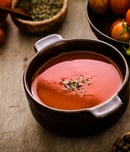
Soup Swap Day
There's nothing better than a warm bowl of homemade soup on a chilly day! Swap your soup with friends for a fun way to mix up your meals.
- Australia
- Canada
- United Kingdom
- and 1 more
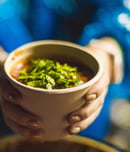
Soup It Forward Day
Providing warm meals fosters compassion, supports vulnerable populations, and strengthens community bonds through acts of kindness.
- Canada
- International
- United Kingdom
- and 1 more
National days and holidays on March 30 2027

March Madness
Get your game face on for March Madness! This high-energy tournament is a slam dunk of excitement, passion, and heart-pumping action. So grab your team colors, gear up for the showdown, and let the madness begin!

National Doctors Day
Trusted experts who heal and cure, doctors are the superheroes of the medical world. From check-ups to emergencies, they're always ready to help.

National Virtual Vacation Day
Exploring new destinations, cultures, and flavors from the comfort of your own space, letting your wanderlust loose without leaving home.
- Australia
- Canada
- United Kingdom
- and 1 more

National Tsunami Awareness Week
National Tsunami Awareness Week sparks a wave of readiness during this time each year. This week is set aside to spread knowledge about the serious threat of tsunamis, especially in regions with high risk! How to Observe National Tsunami Awareness Week Host a Tsunami Trivia Night Gather friends or neighbors for a...
Seize Every Day
Join free for personalised recommendations, email reminders and exclusive guides. Never miss a day.