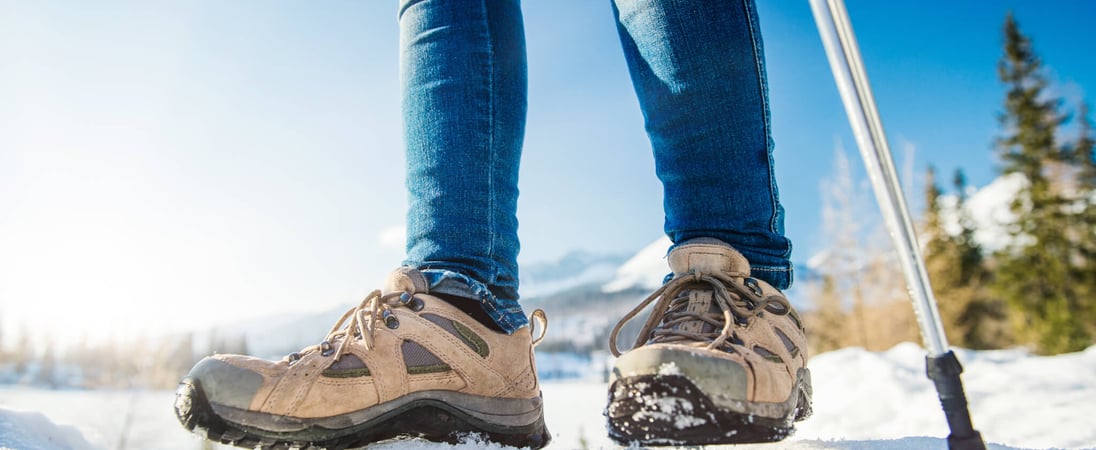
US Snowshoe Day
US Snowshoe Day is a lively celebration honoring the unique and practical invention of snowshoes. This day draws attention to their usefulness in traversing snowy landscapes, making winter exploration accessible and fun.
Snowshoeing provides a way to enjoy nature’s beauty in winter and offers an excellent workout, burning significantly more calories than walking or running.
How to Celebrate US Snowshoe Day
Strap on Snowshoes and Go
Nothing says celebration, like strapping on snowshoes and hitting the trails. Gather friends, family, or even the dog, and head to the nearest snowy spot.
Walk, jog, or run—whatever suits your fancy. Just make sure to bring along a thermos of hot cocoa to warm up afterward. Trails come alive with laughter and snow-crunching underfoot.
Host a Snowshoe Race
Friendly competition never hurts anyone! Organize a neighborhood snowshoe race. Set up a fun course in a local park or large backyard. Include silly obstacles like snowmen to weave around or small hills to climb.
Reward participants with quirky prizes like “Fastest Snow Bunny” or “Best Snow Dive.” Everyone ends up a winner when fun is the goal.
DIY Snowshoes
Channel that inner craftsman and make your snowshoes. Gather supplies like wood, rope, and sturdy canvas. Find a simple guide online and get crafting. It’s a great project for a snowy afternoon and makes for some unique, handmade gear. Imagine the bragging rights when you hit the snow with your custom creations!
Winter Picnic
Why not have a picnic but make it winter? Pack up warm treats like soup in thermoses, sandwiches, and plenty of snacks. Find a scenic snowy spot, lay out a blanket, and enjoy the winter wonderland.
Don’t forget extra layers and a camera to capture the frosty fun. Snowball fights are optional but highly encouraged.
Snowshoe Scavenger Hunt
Create a snowshoe scavenger hunt. Hide fun items or create a list of natural winter treasures to find. Think pinecones, interesting rocks, or even a “hidden” thermos of hot cider. Kids and adults alike will love the adventure. It’s a fantastic way to explore and appreciate the snowy landscape.
Join a Group Event
Check for local snowshoe events or clubs. Many areas have group hikes or even night walks under the stars. Meeting fellow snowshoe enthusiasts can turn into a social adventure. Swap stories, tips, and discover new trails to explore. Plus, group events often include post-hike gatherings with warm drinks and snacks.
Snowshoe Art
Get creative and make some snowshoe art. Use your snowshoes to create patterns in the snow, like giant snowflakes or whimsical trails.
Kids especially love this one, turning the snow into a canvas. Capture photos of your snowy masterpieces before they melt away. It’s an artsy twist on a winter walk.
Cozy Movie Night
After a day in the snow, nothing beats curling up with a winter-themed movie. Gather blankets, make popcorn, and choose a lineup of snowy adventures or comedies. Invite friends over for a cozy end to your US Snowshoe Day. The contrast of a warm house and cold outdoors makes for the perfect ending to a festive day!
Why Celebrate US Snowshoe Day?
The celebration promotes outdoor activities, encouraging people to embrace the snowy season rather than avoid it. Snowshoes allow enthusiasts to hike, explore, and even race on snow-covered trails, making winter sports more inclusive and enjoyable for all ages.
This day highlights the health benefits of snowshoeing, such as improving cardiovascular fitness and strengthening muscles, making it a perfect reason to get outside and get active.
Additionally, US Snowshoe Day brings together communities and fosters a sense of camaraderie among participants. Organized events like the U.S. Snowshoe Championships attract athletes from across the nation, turning the spotlight on competitive snowshoeing and inspiring new enthusiasts to join in.
These gatherings create opportunities for people to connect over shared interests, making the day not just about the activity but also about building relationships and enjoying the winter season together.
History of US Snowshoe Day
US Snowshoe Day began to celebrate snowshoes’ practical and historical importance in American culture.
The event was established in relation to the US Snowshoe Championships at Vermont’s Prospect Mountain. It was started to highlight the significance of snowshoes in navigating snowy terrain, particularly in winter sports and recreational activities.
This special day encourages people to appreciate the ingenuity behind snowshoe design and its role in making winter exploration possible. The idea for US Snowshoe Day came from a desire to honor this versatile footwear, which has roots in indigenous traditions and modern innovations.
Native American tribes, such as the Huron and Algonquin, developed snowshoes to travel and hunt efficiently during snowy winters. These early designs inspired later versions that became essential for fur traders and explorers.
Modern snowshoes, developed in the 1970s with lightweight materials like aluminum, reflect ongoing improvements aimed at enhancing performance and comfort.
Also on ...
View all holidays
National Tooth Fairy Day
Have you heard of the little visitor who brings treats to kids while they sleep? She's sparkly, sneaky, and always on the hunt for lost teeth!

National Chocolate Souffle Day
Indulge in a rich and airy dessert that's sure to impress! This decadent treat will have you craving more with every bite.

Rare Disease Day
Many people living with uncommon illnesses often feel forgotten. Raising awareness can inspire research, understanding, and hope for better treatments.

International Sword Swallower’s Day
Daredevil performers with an astonishing ability to defy expectations and showcase a unique and captivating skill on stage.
We think you may also like...
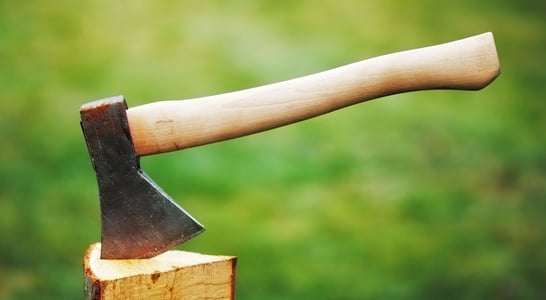
International Axe Throwing Day
Axe throwing is fun and for many a great way to blow off steam. See if any axe throwing locations near you are hosting a free event for Axe Throwing Day.
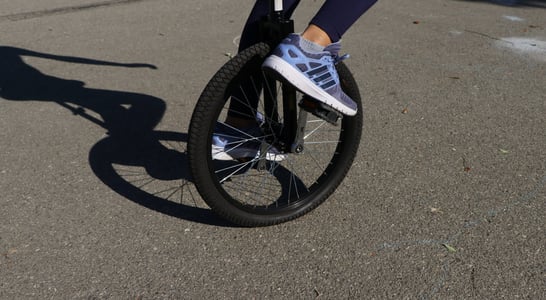
Ride a Unicycle Day
A solitary wheel, a feat of equilibrium and poise, embodies a singular journey of grace and mastery in the world of cycling.

World Baton Twirling Day
Experience the mesmerizing artistry of rhythmic performance, where precision and flair intertwine in captivating displays of movement.