
World Hypertension Day might sound like a rather intense and stressful occasion, one that could even raise blood pressure! However, this day is actually an educational initiative aimed at preventing hypertension. It is meant to be helpful and informative, not stressful at all!
Hypertension, also known as high blood pressure, is one of those conditions that can quietly develop without a person noticing any symptoms. That “silent” nature is exactly what makes it dangerous. World Hypertension Day encourages people to understand their blood pressure numbers, check them regularly, and take simple, practical steps to protect the heart, brain, kidneys, and blood vessels over time.
How to Observe World Hypertension Day
Although it may not be a celebration with decorations, meals, or family gatherings, World Hypertension Day plays a vital role in protecting the health of individuals and families.
It is easy to take part in World Hypertension Day in some of these ways:
Get a Blood Pressure Check
Many people may not fully understand why a doctor uses that tight cuff on the arm during a visit, but measuring blood pressure is extremely important. In many locations, people can also check their blood pressure for free at pharmacies or clinics with automated machines.
Blood pressure is shown as two numbers. The top number (systolic) shows the pressure in the arteries when the heart beats. The bottom number (diastolic) shows the pressure when the heart rests between beats. Both values are important and can increase for different reasons.
For most people, blood pressure is considered high if it is above 140/90, or 130/80 for those with diabetes, kidney disease, or other conditions. It is always best to confirm these numbers with a doctor.
It is also important to remember that one reading does not tell the full story. Blood pressure changes throughout the day depending on activity, stress, sleep, caffeine, nicotine, and even bladder fullness. That is why doctors often recommend multiple readings over time or home monitoring to understand patterns.
To get a more accurate result, people can follow a few simple steps:
- Avoid smoking, exercise, and caffeine shortly before measuring.
- Sit quietly for a few minutes before taking the reading.
- Keep feet flat on the floor and back supported.
- Position the arm so the cuff is at heart level.
- Use the correct cuff size, as a small cuff may give higher readings.
- If using a machine, take two readings one minute apart and record both.
For those who want to monitor more closely, home blood pressure devices can be very useful. They can help reduce the “white coat” effect, where anxiety raises readings in medical settings. On the other hand, some people may have “masked hypertension,” where readings are normal at the clinic but high in daily life. Tracking at home and sharing results with a doctor can help identify both situations.
Learn More About Hypertension
Even if a machine is used to check the blood pressure, many folks don’t really have a framework of information to help them interpret their results or what to do about it. Here are some things to know about hypertension:
Hypertension may not have any symptoms, so most people don’t know that they have it.
Hundreds of thousands of deaths each year are linked to hypertension.
High blood pressure may be linked to dementia or other mental health issues.
Only about 1 in 4 adults with hypertension in the US have their condition under control.
Learn More About Hypertension
Even if a machine is used to check the blood pressure, many people do not really have enough background information to understand their results or know what to do next. Here are some important things to know about hypertension:
- Hypertension may not have any symptoms, so most people do not know that they have it.
This is why hypertension is sometimes described as a “silent” condition. People can feel energetic and well while their blood vessels are under extra strain. When symptoms do appear, they are often nonspecific, such as headaches, shortness of breath, chest discomfort, or dizziness. Those symptoms can be caused by many other issues too, which is exactly why checking the numbers is more reliable than waiting for a warning sign.
- Hundreds of thousands of deaths each year are associated with hypertension.
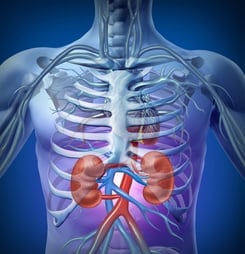
High blood pressure puts extra strain on the heart and damages blood vessels over time. This can lead to heart attacks, strokes, heart failure, and circulation problems. It can also affect kidney function, since the kidneys rely on healthy blood vessels.
Hypertension is rarely the only cause of serious conditions, but it is often a major contributing factor. Managing it involves consistent, realistic effort rather than quick fixes.
- High blood pressure may be connected to dementia or other mental health conditions.
The brain relies on steady, healthy blood flow. When blood vessels are affected by long-term high pressure, the risk of small vessel disease increases. This can impact memory, focus, and mood. While mental health is influenced by many factors, cardiovascular and brain health are closely linked.
- Only about 1 in 4 adults with hypertension in the US have it under control.
Control rates vary depending on access to healthcare, medication affordability, lifestyle, and awareness. Many people live with hypertension that is either undiagnosed or not properly managed.
Control can also change over time. A person may have stable numbers for years, then see them rise with age, weight changes, sleep problems, or new medications. Regular monitoring matters.
Talk to Your Doctor About Hypertension
Anyone concerned about their blood pressure should visit their doctor for a proper check and discussion. Those with a family history of hypertension should be especially mindful of this risk.
A doctor may carry out tests to identify any underlying causes. People with ongoing hypertension may need medication or other treatments to maintain good health and prevent complications.
A thorough consultation may include:
- Reviewing family history and symptoms
- Discussing lifestyle habits such as diet, exercise, and sleep
- Checking for related conditions like kidney disease or sleep apnea
- Reviewing medications that may affect blood pressure
- Recommending home monitoring for a clearer picture
If medication is required, it is a highly effective way to manage blood pressure. Different medications work in various ways, such as relaxing blood vessels or reducing fluid levels. Finding the right option may take time, and regular follow-up is important.
For those monitoring at home, these habits can help:
- Take readings at the same time each day
- Keep a simple log with notes on lifestyle or stress
- Focus on patterns rather than single readings
- Bring the monitor to appointments for comparison
So take part, check your blood pressure, learn more about hypertension, and take steps toward long-term health!
World Hypertension Day Timeline
First Direct Measurement of Blood Pressure
English clergyman Stephen Hales published “Haemastaticks,” describing invasive experiments that provide the first direct measurements of arterial blood pressure in animals and link circulation to disease.
Riva-Rocci’s Inflatable Blood Pressure Cuff
Italian physician Scipione Riva-Rocci introduced a mercury sphygmomanometer with an inflatable arm cuff, making routine, noninvasive bedside measurement of systolic blood pressure feasible.
Korotkoff Describes Arterial Sounds
Russian surgeon Nikolai Korotkoff reported the arterial sounds heard with a stethoscope under a blood pressure cuff, which enabled clinical determination of both systolic and diastolic blood pressure.
First Thiazide Diuretic Approved
The U.S. Food and Drug Administration approved chlorothiazide, the first thiazide diuretic, which soon became a cornerstone of hypertension therapy and helped reduce cardiovascular complications.
First Joint National Committee Hypertension Report
The first report of the Joint National Committee on Detection, Evaluation, and Treatment of High Blood Pressure was issued in the United States, standardizing guidance for diagnosing and managing hypertension.
History of World Hypertension Day
World Hypertension Day was established in 2005 by the World Hypertension League (WHL) to raise awareness about high blood pressure and its risks.
At its heart, the message is simple: high blood pressure is common, it is dangerous if ignored, and it can be managed when recognized early. The WHL promotes education beyond clinical settings, emphasizing everyday habits and awareness.
Hypertension is linked to many serious health issues, including heart disease, kidney problems, and strokes. Despite this, public awareness remains limited, which is why initiatives like this day are so important.
Part of the challenge is that hypertension develops slowly and often without symptoms. People may not feel urgency until complications occur. Others may misunderstand their readings, either ignoring slightly high numbers or worrying excessively about a single result. This day promotes a balanced approach: take it seriously, but treat it as manageable.
Each year, World Hypertension Day focuses on a specific theme. One past theme, ‘Healthy diet, healthy blood pressure’, highlighted the impact of nutrition on blood pressure.
Diet plays a major role, as high sodium intake can increase fluid retention and pressure in blood vessels. Diets lacking fruits and vegetables may also miss important nutrients like potassium and magnesium. Processed foods can also contribute to weight gain and metabolic issues.
Other themes have included “Awareness of high blood pressure” and “Treat to goal”. These emphasize not only diagnosis but maintaining healthy target levels over time.
“Treat to goal” reflects the importance of reaching and maintaining a personalized blood pressure range through lifestyle changes, medication, or both. It also involves creating supportive habits, such as healthier food choices and regular activity.
Ultimately, the history of this day is built on a simple idea: greater awareness leads to better prevention. By understanding blood pressure and monitoring it regularly, people can avoid many preventable complications and protect their long-term health.