
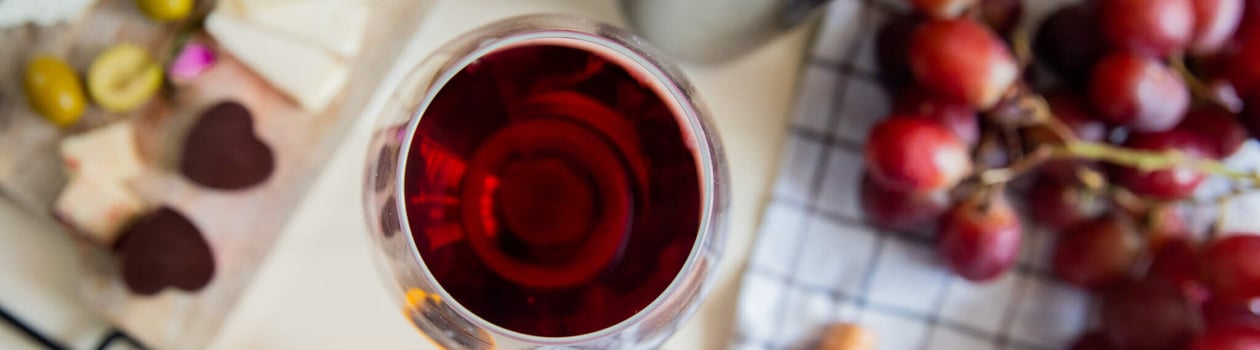
World Lambrusco Day is a fun and bubbly celebration of Lambrusco, a sparkling red wine from northern Italy. It spotlights a wine that refuses to be put in a single box: it can be ruby-dark or pale pink, bone-dry or gently sweet, softly fizzy or fully sparkling. However it shows up in the glass, Lambrusco tends to bring a sense of ease, the kind of wine that fits a weeknight dinner as naturally as it does a lively gathering.
It’s not just about sipping wine. It’s about enjoying the bold, fruity flavors that make Lambrusco stand out, and appreciating why this style has stayed beloved for generations. Lambrusco’s charm often comes from contrast: bright acidity against ripe fruit, a tickle of bubbles against savory food, and an upbeat aroma that can lean toward strawberry, cherry, violet, or even a hint of earthy spice depending on the bottle.
The wine is lively, full of character, and easy to love. On this day, people raise their glasses around the world to toast its playful charm and its roots in the Emilia-Romagna region, an area famous for an appetite-friendly food culture. Lambrusco is often at its best when it is treated like a table wine, poured alongside salty, rich, or umami-packed dishes where its fizz and freshness can do their best work.
What makes this day special is how it brings people together. Wineries host virtual tastings, fans share their favorite bottles online, and wine lovers explore different styles, from dry and deep to sweet and light. That range is not a marketing gimmick; it reflects the fact that “Lambrusco” is not a single grape or a single taste. It is a family of related grapes and a set of regional traditions, with different local expressions producing noticeably different results.
There’s something for every taste. A newcomer can start with an easygoing, fruit-forward bottle served well chilled. A seasoned wine fan can compare DOC labels, sweetness levels, and production methods, noticing how tannin, acidity, and aroma change from one Lambrusco to another. Whether someone is new to Lambrusco or already a fan, the day invites them to slow down, take a sip, and enjoy something that feels both familiar and exciting.
How to Celebrate World Lambrusco Day
Here are some lively ways to join in the fun and enjoy World Lambrusco Day with flavor, connection, and a touch of sparkle:
Try a New Style
Lambrusco isn’t just one kind of wine. Choose a bottle you haven’t tasted before and treat it like a mini adventure. Many people first encounter Lambrusco through sweeter, simple styles, but modern bottles span a huge spectrum, including serious dry versions that are made with care and meant for food.
A good way to branch out is to look for specific Lambrusco types and compare them side by side over time:
- Lambrusco di Sorbara often shows a lighter color and a very fragrant nose, with bright red fruit and floral notes that can feel almost airy.
- Lambrusco Grasparossa di Castelvetro is frequently deeper in color and structure, with more grip and darker berry flavors.
- Lambrusco Salamino di Santa Croce tends to land in a friendly middle ground, balancing fruit, acidity, and a little sturdiness.
- Reggiano Lambrusco can be an umbrella for multiple Lambrusco grapes and styles, making it a useful category for exploring variety.
Shopping tips help, too. Checking the sweetness level can prevent surprises: bottles labeled secco are dry, amabile are gently sweet, and dolce are sweeter. Also notice whether it is frizzante (lightly sparkling) or spumante (fully sparkling). Those two details alone can make one Lambrusco taste like a crisp aperitif and another like a fruitier, more playful pour.
Host a Mini Tasting
Set up a small gathering with a few friends. A Lambrusco tasting does not need special glassware or intense rules. The goal is to taste the range and let everyone discover what “sparkling red” can mean.
To make it simple and surprisingly informative:
- Choose three bottles with clear differences, such as one secco, one amabile, and one dolce, or one Sorbara-style, one Grasparossa-style, and one Salamino-style.
- Serve them chilled. Lambrusco generally shows best cool, which keeps the bubbles fresh and the fruit bright.
- Pour small amounts. The tasting is more fun when people can revisit a glass after trying food.
Offer snacks that play well with bubbles and acidity: cured meats, salty chips, olives, roasted nuts, mild cheeses, or something crunchy and savory. Lambrusco’s fizz is great at resetting the palate after a salty bite, and that “sip, snack, sip” rhythm is part of why it is such a social wine.
Keep things casual and fun. Compare notes on color, aroma, bubbles, and finish. Some guests may notice that one bottle smells like strawberries and violets, while another leans toward black cherry and spice. Others may be surprised that a dry Lambrusco can feel refreshing rather than heavy. Everyone leaves with a new favorite and a stronger sense of what to look for next time.
Pair It With Dinner
Skip the usual wine choice and serve Lambrusco with an evening meal. It pairs well with pizza, pasta, or grilled sausages, but its talent is broader than that. The bubbles and acidity can cut through rich foods, while the fruit can soften spicy edges or match sweet-savory glazes.
A few pairing ideas that show Lambrusco’s range:
- Pizza night: Dry to off-dry Lambrusco works beautifully with tomato sauce, melted cheese, and salty toppings. The fizz lifts the richness and keeps each bite tasting fresh.
- Pasta with meat sauce: A darker, more structured Lambrusco can stand up to hearty flavors without feeling heavy.
- Burgers or barbecue: Lambrusco can handle smoke, char, and tangy sauce, especially when served cool. It is a fun alternative to beer with grilled food.
- Spicy dishes: Off-dry Lambrusco can calm heat and highlight fruity flavors, making it a clever match for chili-heavy or pepper-forward meals.
- Cheese boards: A mix of aged cheese, salty cured meats, and pickled vegetables is practically a Lambrusco playground.
The fizz cuts through rich foods, and the fruit makes salty bites taste even better. Try a couple of combinations and notice how the wine changes: a dry bottle may seem sharper and more herbal next to cheese, while an off-dry bottle may feel smoother next to spicy food. Lambrusco can be a “bridge” wine that keeps a meal feeling lively from the first snack to the last slice.
Share Online
Take a photo of a glass, a table setting, or a favorite bottle and post it with #WorldLambruscoDay. The online side of this celebration is part tasting room, part show-and-tell. People swap pairing ideas, compare labels, and debate the eternal question: secco or sweet?
For a post that is actually useful to other wine lovers, it helps to include a few quick details:
- Whether the wine is dry, off-dry, or sweet
- Whether it is frizzante or spumante
- What it tastes like to the drinker (strawberry, cherry, floral, darker fruit, etc.)
- What food is on the plate beside it
Scroll through what others are sharing, then save a few ideas for later. Even someone who does not drink alcohol can join the conversation by sharing a Lambrusco-themed menu, a mocktail inspired by Lambrusco flavors (berry, citrus, herbs, and sparkle), or a photo of a festive table. A little digital celebration keeps the fun going beyond one meal.
Support Small Producers
Look for Lambrusco made by family-run wineries or co-ops. Smaller names often focus on careful farming, regional identity, and traditional approaches to making sparkling wine, including methods that preserve fresh fruit and lively bubbles without turning the wine into a sugary soda.
Supporting independent producers can also be a way to support the diversity of Lambrusco itself. Since Lambrusco can be made from different grapes and in different local styles, buying from more than one producer helps keep those expressions alive and visible.
A few practical ways to do it:
- Ask a local wine shop staff member for a dry Lambrusco recommendation and mention a food pairing plan. Good shops love matching bottles to meals.
- If shopping online, read label descriptions for DOC names like Sorbara, Grasparossa, Salamino, or Reggiano, which can hint at the style inside the bottle.
- Consider buying two bottles instead of one: a lighter, fragrant style and a darker, sturdier style. It turns a simple purchase into an instant mini-education.
Choosing independent makers helps keep their craft going strong. It can also change someone’s entire view of Lambrusco, especially if the only prior experience was a one-note, overly sweet version from decades past. A well-made Lambrusco has nuance, balance, and a clear point of view, and it tends to disappear from the bottle faster than expected.
History of World Lambrusco Day
World Lambrusco Day began in 2011. It was promoted by the Consorzio Tutela Lambrusco, a consortium representing producers connected to Lambrusco wines from Emilia-Romagna. The goal was straightforward but important: give Lambrusco a dedicated moment to show its quality, its range, and its cultural connection to northern Italian food and wine tradition.
That mission matters because Lambrusco has lived more than one public life. In some markets, it became famous as an inexpensive, sweet, easy-drinking red that dominated shelves for a time. While that popularity introduced many people to the idea of sparkling red wine, it also created a stubborn stereotype that Lambrusco was simple, syrupy, or not meant to be taken seriously. Meanwhile, in its home region, Lambrusco continued to be produced in drier, more structured, more food-driven styles that were often a better reflection of local tastes.
World Lambrusco Day works like a friendly reset button. It encourages drinkers to think of Lambrusco as a category with real variety, shaped by grape types, local growing conditions, and winemaking choices. In other words, it reminds the world that “Lambrusco” can mean many things, and that the most interesting bottles tend to be the ones that balance fruit, freshness, and sparkle without leaning too hard on sweetness.
Over time, the celebration has leaned into global participation. Producers and wine shops have used the day for tastings, educational events, and social media campaigns that make Lambrusco feel approachable rather than intimidating. It is a wine that invites curiosity without requiring a textbook.
The observance is also tied to a very practical truth: Lambrusco is at its best when it is shared. It is built for conversation, for plates passed around the table, for second pours that happen almost automatically. That communal spirit makes it an easy fit for an international celebration, whether it takes the form of a formal tasting or a simple pizza night with a bottle that happens to fizz.
A notable step in the day’s growth has been the push for larger, more visible events beyond Lambrusco’s home region. The consortium-backed international spotlight has included major city editions designed to put multiple styles in front of journalists, sommeliers, and curious wine drinkers all at once. Paris hosted an important official event in 2023, drawing attention to Lambrusco’s versatility and modern quality focus. Rather than positioning Lambrusco as a novelty, these events frame it as a serious option for food pairing and an exciting alternative to more predictable sparkling wines.
Leadership from within the producer community has helped steer that message. Figures such as Claudio Biondi, who has served as president of the consortium, have emphasized that Lambrusco is not a one-note product but a flexible wine that can move from appetizers to main courses with ease. That point lands especially well with people who enjoy food-forward wine choices, because Lambrusco behaves like a table companion: refreshing, sociable, and willing to play along with salty, rich, spicy, or savory dishes.
World Lambrusco Day continues to build momentum by mixing education with fun. It invites wine fans to explore DOC names, sweetness levels, and production styles without turning the experience into homework. Through tastings, producer-led storytelling, and a steady stream of shared glasses online, the day keeps expanding what people imagine when they hear “Lambrusco”: not just a bubbly red, but a whole world of sparkling possibilities.
Facts About World Lambrusco Day
Ancient “Wild Vine” Roots
The name Lambrusco is widely linked to the Latin word “labrusca,” meaning a wild vine growing along field edges, reflecting how these grapes were historically found at the margins of cultivated land rather than in formal vineyards.
This association supports the view of Lambrusco as one of Italy’s oldest domesticated grape families, descended from long‑tamed wild vines in the Po Valley.
A Family of Grapes, Not Just One Variety
Lambrusco is not a single grape but a whole family of related varieties, including Sorbara, Grasparossa, Salamino, Maestri, and Marani, each with distinct personalities.
For example, Sorbara tends to give pale, fragrant wines with floral notes, while Grasparossa is darker, more tannic, and intensely fruity, which helps explain why bottles labeled “Lambrusco” can taste so different from one another.
DOC Rules Shape Style and Flavor
Many Lambrusco wines are produced under strict Italian DOC regulations that control where the grapes can be grown, how much can be harvested, and what styles are allowed.
In appellations such as Lambrusco Grasparossa di Castelvetro DOC or Lambrusco Salamino di Santa Croce DOC, disciplinare rules from Italy’s Ministry of Agriculture require the named Lambrusco variety to dominate the blend and specify whether wines may be still, lightly sparkling, or fully sparkling.
The Tank Method Fueled Lambrusco’s Global Boom
Modern Lambrusco is most often made with the Charmat, or tank, method, where the second fermentation that creates bubbles happens in large pressurized stainless‑steel vessels.
This approach keeps the wine’s bright red‑fruit aromas intact and allows high‑volume, affordable production, which helped drive Lambrusco’s huge export success in markets like the United States during the 1970s and 1980s.
Bottle‑Fermented Lambrusco Revives Older Traditions
Alongside mainstream tank‑method bottlings, a minority of producers ferment or finish Lambrusco in the bottle, using classic or ancestral techniques that predate modern pressurized tanks.
These wines can be cloudier, more yeasty, and structurally firmer than tank‑fermented versions, echoing the rustic sparkling reds that people in Emilia‑Romagna drank centuries ago.
From Sweet Export Wine to Dry, Gastronomic Styles
For decades, many consumers outside Italy knew Lambrusco mainly as a simple, sweet red fizz, but producers in Emilia‑Romagna have steadily shifted toward drier, more structured styles.
Education‑focused wineries and consortia now emphasize secco and amabile versions that pair with rich local foods, using quality‑driven viticulture and stricter selection to distance today’s Lambrusco from its bargain‑basement reputation of the late twentieth century.
Sparkling Reds Beyond Italy’s Borders
Although Lambrusco is rooted in Emilia‑Romagna and parts of Lombardy, the grape family has traveled: plantings exist in countries such as Australia and Argentina, where winemakers experiment with their own takes on sparkling red.
These international versions often still use the Charmat method and lean into Lambrusco’s naturally high acidity and vibrant fruit, showing how a once very local “peasant wine” has become a flexible global style.
World Lambrusco Day FAQs



You may also like

Open That Bottle Night
After years of patiently waiting, it's time to indulge in the luxurious nectar that's been aging gracefully.
- United States

National Wine Day
If only every day was Wine Day. Gather some friends together and splurge on some fancier wines, or visit a vineyard to try out your local selections.
- International
- United States

National Bubbly Day
With its effervescence and delicate bubbles, this celebratory drink is perfect for toasting to life's big moments.
- United States

National Rosé Day
Raise a glass to National Rosé Day, celebrating pink wine’s history, unique production, tastings, and pairings with friends, food, and fun rosé traditions.
- France
- United States
National days and holidays on June 21

Summer Solstice
It's the day with the most sunshine, the longest day of the year. Celebrate the official start of summer with outdoor fun!
- Canada
- Sweden
- United Kingdom
- and 1 more

World Music Day
From Beethoven to Taylor Swift, there’s music for everyone. Revisit your old favorites or discover new artists from different cultures on World Music Day.
- Canada
- France
- India
- and 2 more
National Peaches ‘N’ Cream Day
Incredibly simple but oh so delicious, the combination of peaches and cream is sure to delight your friends and family, not to mention your own taste buds.
- Australia
- Canada
- United States

National Turkey Lovers’ Day
No need to wait until Thanksgiving to enjoy a delicious turkey. This is your chance to do up a bird in the oven, gather your friends and family, and dig in.
- Canada
- United Kingdom
- United States
Seize Every Day
Join free for personalised recommendations, email reminders and exclusive guides. Never miss a day.