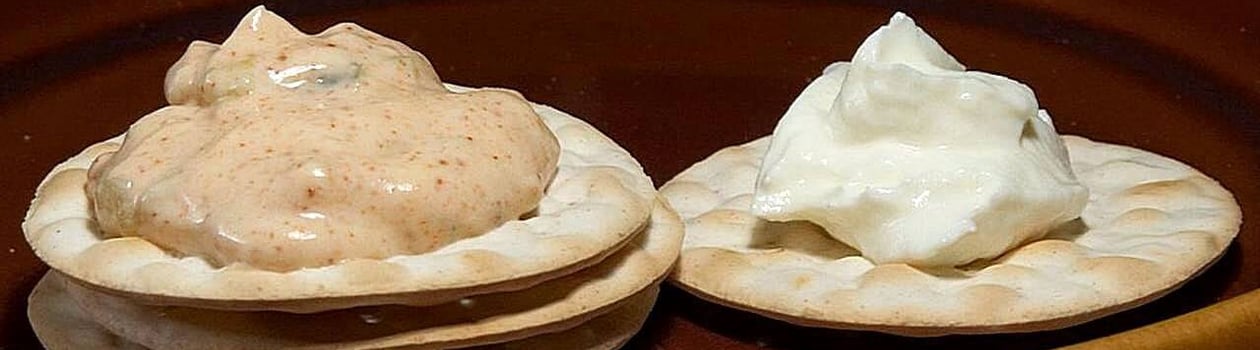
Sweet or savory, hot or cold, quark is a unique style of vegetarian cheese that can be used as a substitute for a variety of dairy items in recipes.
Also sometimes called quarg, this cheese can also be used to make hand-crafted beauty products and therapeutic treatments for a lifestyle focused more on health and wellness.
World Quark Day offers an ideal opportunity to raise awareness about and show appreciation for this special little product!
History of World Quark Day
Quark is a dairy product that is sometimes described as a mix between cream cheese and yogurt. Unlike many aged cheeses, quark does not use rennet (an animal product) in its processing, making it acceptable for vegetarians to eat.
Invented in Central Europe sometime in the 1920s, and it continues to be a staple in kitchens throughout German, Poland, Austria, Hungary and more.
World Quark Day was first celebrated in 2019 when it was founded by the “Queen of Quark” with the purpose of shining a light on this incredible food that is versatile, healthful and delicious!
This German-born author has written an entire cookbook about quark, which was also published in 2019. She desired to establish this day to raise awareness about the goodness of this food, encouraging others to learn more about it and include quark into their dietary habits and recipes.
World Quark Day Timeline
Origins of Quark
Quark has been consumed since at least the 14th century, primarily in Eastern Europe, where it served as a staple in diets and took on cultural importance for its simplicity and nutritional value.
Quark Cheese Gains Wider Recognition
In the 1920s, quark began to be recognized more widely beyond its traditional regions, partly due to increased interest in health foods and localized dairy products in Europe.
Scientific Studies on Quark
During the 1960s, scientific studies began to explore quark’s nutritional profile, highlighting its high protein and low fat content, and reinforcing its status as a health-beneficial dairy product.
Quark Continues as a Versatile Ingredient
Today, quark remains a versatile ingredient in culinary practices across Europe, appreciated for both its nutritional benefits and adaptability in a myriad of recipes.
How to Celebrate World Quark Day
Observe World Quark Day with some simple ideas and activities, getting started with some of these:
Learn the Benefits of Quark
High in protein and calcium while low in sugar, quark offers a nice alternative to cream cheeses because it is virtually fat free and typically doesn’t have added salt.
It’s nutritional value is similar to that of cottage cheese or Greek yogurt, but the consistency is slightly different. Celebrate World Quark Day by reading some labels and learning a bit more about this interesting dairy product.
Cook with Quark
Many people don’t realize that making some small substitutions in recipes can make a big difference in their health!
Quark makes a great substitute for cream cheese in dips and sweet recipes because it is much lower in fat.
Use quark in salads, smoothies and other recipes to make them guilt-free. Quark is only made in a few dairies in the US, but it can often be found in natural food stores like the Whole Foods or Trader Joe’s chains.
Those who live a vegan or dairy-free lifestyle can also try making their own quark using coconut milk or another plant based yogurt. In honor of World Quark Day, search up some recipes and make some changes by using quark!
Read the Queen of Quark’s Book
Get more connected with World Quark Day by reading the book that started it all, written by the Queen of Quark herself.
Head over to a locally owned bookstore or grab a copy online and start reading Quark: The Ultimate Guide and Cookbook. With tips, tricks, recipes and more, this book can act as a perfect guide for those who are interested in entering into the world of quark.
Facts About World Quark Day
Quark’s Role in European Culinary Heritage
Quark has been a staple in Central and Eastern European diets for centuries, known for its versatility in sweet and savory dishes.
Traditionally, it serves as an ingredient in dishes like German Käsekuchen (cheesecake), Austrian Topfenstrudel (pastry), and Russian syrniki (cheese pancakes).
Nutritional Benefits of Quark
Quark is celebrated for being high in protein and low in fat, especially when compared to cream cheese. Its nutritional profile makes it a popular choice among those seeking healthier diets across Europe.
Quark Varieties and Uses
German-style quark is available in different fat contents, such as Magerquark, which is low-fat, and Sahnequark, which is creamier.
This allows it to be used flexibly in recipes ranging from breakfast meals with fruits to being a base for hearty spreads and dips.
Versatile Culinary Applications
Quark’s adaptability makes it a vital ingredient in both traditional and modern recipes. It is used extensively in baking, making spreads, and even in main courses across diverse European cuisines.
Traditional Quark Production
Quark is made by heating milk and allowing it to curdle with the use of bacteria or acid, a method that has been employed across Europe for generations.
Some varieties, like Sahnequark, even have cream added for a richer texture.