
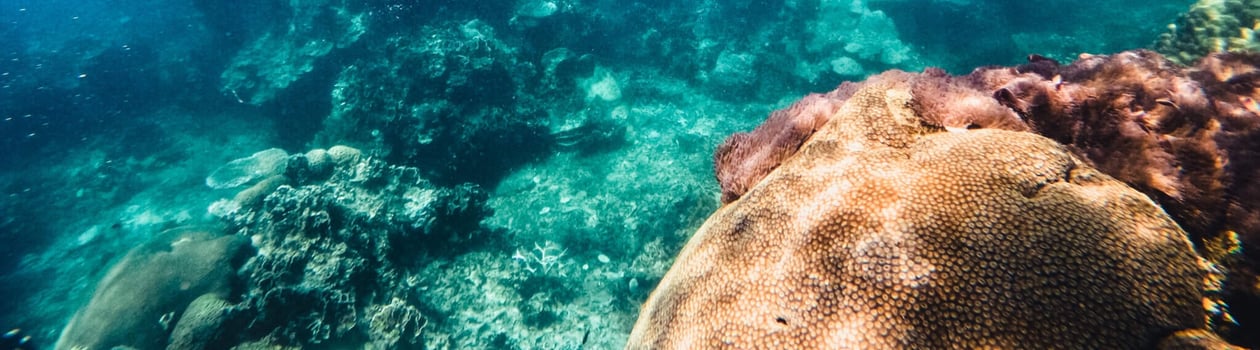
World Snorkeling Day invites everyone to glide just under the surface and discover the hidden wonders below. With a mask, a breathing tube, and a pair of fins, the ocean becomes a living window where reefs, rock gardens, and waving sea grasses create a scene that feels both wild and surprisingly close.
It welcomes water lovers to wear a mask, tube, and fins, allowing them to move effortlessly above coral gardens. Unlike scuba diving, snorkeling stays within the bright, sunlit layer where colors glow vividly and even a short swim can reveal an entire cast of marine life: silvery schools moving together, vibrant reef fish darting like confetti, and the occasional turtle cruising through as though it has somewhere important to be.
The day inspires curiosity and excitement. It brings families, friends, and solo adventurers together in calm, blue waters. Snorkelers float gently, spotting colorful fish and waving sea fans without needing heavy equipment. For beginners, that simplicity creates the appeal. There is no tank to manage, no extensive training to arrange, only a basic set of gear and a willingness to slow down and observe.
This celebration matters because it shows how closely people can connect with ocean life without diving deep. It links visitors to sparkling reefs and curious creatures while keeping the activity approachable. In many locations, just a few yards from shore can reveal thriving habitats: rocks and tide-shaped ledges, patch reefs, seagrass beds sheltering young fish, or sandy areas where rays sometimes rest. Snorkeling also offers surprising versatility. It can take place in saltwater or freshwater, in warm lagoons or cool, crystal-clear springs, provided conditions remain safe and local regulations allow access.
Gentle underwater movement can lift spirits and calm the mind. The slow rhythm of breathing through a snorkel, the soft buoyancy, and steady fin kicks often feel meditative, especially when the noise above fades and the only sound becomes a faint rush of bubbles. Watching fish, turtles, and corals frequently encourages greater care for those delicate environments, because damage becomes difficult to ignore once seen firsthand.
It promotes respect for underwater ecosystems and encourages hope for marine conservation. Many snorkelers become passionate supporters of clean water and healthy reefs, not because they read about them, but because they experienced them directly.
How to Celebrate World Snorkeling Day
Here are some engaging ways to enjoy World Snorkeling Day while appreciating the beauty of the underwater world:
Dive In with a Buddy
Bring along a snorkeling partner and visit a nearby beach or bay. Choose a calm location with gentle waves and clear visibility. A buddy provides more than companionship. Partners also help handle small issues before they grow into larger problems, such as a cramped leg, a loose fin strap, or a fogged-up mask that makes the seafloor difficult to see.
Small group excursions often include lessons and safety advice, making them ideal for beginners. A helpful introduction usually explains how to enter and exit safely, what to do in currents, and how to recognize boundaries like boat lanes or protected areas. Guided tours can also enrich the experience by pointing out hidden details, such as camouflaged fish, cleaner shrimp hiding in crevices, or the differences between coral and sponge formations.
Before entering the water, checking equipment can prevent frustration later. The mask should fit comfortably without needing excessive tightening. A quick test involves placing it on the face without the strap and inhaling gently through the nose. If it stays in place, the fit is likely good. The snorkel mouthpiece should feel comfortable, while fins should fit snugly without causing pain. In cooler water or strong sunlight, a rash guard or wetsuit top may feel more comfortable than repeated sunscreen applications.
Afterward, share favorite moments and photos over a cold drink or snack. Comparing observations can also add to the fun. Which fish appeared most often? Did visibility improve over rocks compared to sand? Sharing experiences helps build confidence for future outings.
Try a Virtual Reef Experience
No ocean nearby? Explore a live reef stream or interactive marine tour online. Some aquariums provide excellent videos of tropical ecosystems, while marine educators often host guided “reef walks” explaining what viewers see and why it matters.
These experiences allow people to observe sea turtles, rays, and reef fish in real time. Virtual snorkeling also helps sharpen observation skills. It can teach viewers how to distinguish corals from algae or explain how fish use color patterns for camouflage, warnings, or attracting mates. For anyone planning a future snorkeling adventure, online reef experiences can offer practical preparation, such as learning basic hand signals, understanding why fins should stay above reefs, and recognizing hazards like sea urchins or fire coral.
Children and adults can enjoy the adventure from home with only an internet connection. A fun activity involves creating a “species spotting” challenge by selecting a few animals to identify, then discussing what each creature needs to survive. That curiosity often encourages more thoughtful snorkeling later.
Clean Up as You Snorkel
Turn your swim into an act of environmental care. Bring a mesh bag to collect floating litter without disturbing delicate habitats. Watch for plastic wrappers, bottle caps, or fishing line drifting near the surface. Cleanup efforts work best when they remain safe and respectful. Snorkelers should avoid dangerous situations, such as retrieving tangled line in rough surf or handling sharp objects wedged into rocks.
Move carefully to avoid stirring sand or frightening marine life. If an item appears trapped beneath a ledge or attached to habitat, leaving it alone and reporting it to local authorities or cleanup groups may be the safer choice. In some regions, removing underwater objects is regulated, especially within protected areas, so checking local guidelines beforehand is wise.
This simple effort helps protect marine animals and keep the water cleaner. It also trains snorkelers to observe more carefully, improving wildlife sightings as well. The more attention people give the environment, the more alive the reef seems to become.
Practice Eco-Friendly Techniques
Support ocean health by following low-impact snorkeling habits. Swim horizontally and stay relaxed to avoid damaging coral. Maintaining gentle buoyancy becomes easier when using a snorkeling vest or breathing slowly while keeping the lungs comfortably full. Proper body position also protects seagrass beds and rocky habitats that shelter young fish and other marine creatures.
Use reef-safe sunscreen free from harmful chemicals. Many people also reduce sunscreen use by wearing protective clothing, such as long-sleeve rash guards, swim leggings, and wide-brimmed hats for time spent on shore or boats. Clothing protection often lasts longer and feels more comfortable in saltwater than repeated lotion applications.
Maintain a respectful distance from marine life and avoid feeding fish. Feeding wildlife can alter natural behavior and disrupt the balance of ecosystems. It may also encourage unwanted interactions when fish begin associating people with food. Quiet, predictable snorkelers often witness more natural behavior, including grazing, cleaning stations, and schooling patterns.
Other eco-friendly habits rely on awareness. Avoid standing in shallow reef areas. Enter and exit through sandy channels whenever possible. Secure loose equipment so nothing drags along the bottom. Even a swinging camera strap can damage living surfaces. Better habits help underwater ecosystems remain healthy, colorful, and resilient.
Explore Unusual Snorkeling Spots
Look beyond crowded tourist beaches. Snorkeling is often linked with tropical reefs, but some unforgettable experiences happen in unexpected locations where geology, art, or rare ecosystems become the main attraction.
In Iceland, snorkelers can float between two continents inside a crystal-clear rift. Cold-water snorkeling requires careful preparation. Exposure protection and guided procedures are usually included, reminding visitors that snorkeling depends more on visibility, safety, and suitable equipment than on climate alone.
Grenada offers an underwater sculpture park where submerged artwork has become covered with marine growth. These artistic installations gradually transform into habitats, attracting algae, corals, and fish that treat the sculptures like miniature reefs. Visitors should follow standard reef etiquette by avoiding contact and finning carefully.
Palau features a lake filled with gentle, stingless jellyfish, though conservation measures occasionally restrict access to protect the fragile ecosystem. Such restrictions remind snorkelers that environmental conditions can change because of warming waters, storms, or human impact, making responsible behavior essential.
Even nearby locations can feel extraordinary. Crystal-clear freshwater springs, calm lagoons, and rocky shorelines may host unique fish and plant life. Some places contain floating docks that create shaded areas where fish gather. Others feature kelp forests swaying like underwater forests. The best unusual location remains one that is safe, permitted, and explored responsibly.
Always check safety rules and book ahead when necessary. Certain destinations require guides, permits, or specialized equipment to protect both visitors and the environment.
World Snorkeling Day Timeline
Mediterranean Sponge Divers and Hollow Reeds
Early Greek and Cretan sponge divers reportedly use hollow reeds as crude breathing tubes at the water’s surface, foreshadowing the basic idea of snorkeling. [1]
From Diving Bells to Early Helmets
European inventors refine diving bells and heavy helmet systems with surface air hoses, creating a technological pathway toward lighter surface-breathing gear for swimmers. [1]
Joseph L. Belcher Files Breathing Apparatus Patent
Joseph L. Belcher submits a U.S. patent application for a “breathing apparatus” that allows a person in the water to breathe air from the surface, cited as an early modern snorkel patent. [1]
First Front‑Mounted Swimmer’s Snorkel Patented
A front‑mounted snorkel, fixed over the swimmer’s face with a bracket, is patented and noted in diving literature as one of the earliest purpose‑built swimmer’s breathing tubes. [1]
“Snorkel” Enters English via Submarine Warfare
The German submarine air mast called “Schnorchel” was adopted in World War II; English borrowed “snorkel” for this device, and the term later shifted to describe a swimmer’s breathing tube. [1]
Tourism Boom Turns Snorkeling into Mass Recreation
Rising incomes and commercial air travel open tropical coasts and coral reefs to ordinary travelers, and lightweight masks, fins, and snorkels help make surface reef watching a mainstream holiday activity. [1]
Global Value of Coral‑Reef Tourism Quantified
Researchers estimate coral‑reef‑related tourism, including snorkeling and diving, at roughly US$35.8 billion annually worldwide, underscoring how central snorkeling has become to coastal economies. [1]
History of World Snorkeling Day
World Snorkeling Day is a fairly modern observance that gained attention through travel communities and themed calendar listings. The earliest commonly referenced mentions appeared during the mid-2010s, when the day began circulating as a celebration dedicated to snorkeling. Like many modern observances, it focuses less on official recognition and more on shared enthusiasm: encouraging people to enter the water, experience a new activity, and appreciate the underwater world.
The observance is commonly linked with July 30. Some accounts associate the timing with early snorkeling innovation, including a 1932 patent filed by Joseph L. Belcher for a breathing tube device designed to help submerged users breathe from the surface. Whether or not the patent directly inspired the celebration, it reflects an important theme within snorkeling’s development: simple ideas evolving gradually into the familiar equipment used today.
Earlier versions of snorkeling appeared in many cultures, including among sponge divers in ancient Greece who reportedly used hollow reeds to breathe while working near the seafloor. Those early methods were practical and dangerous, tied to survival and labor rather than recreation. Over centuries, people continued experimenting with ways to remain underwater longer, see more clearly, and move more efficiently.
By the 20th century, snorkeling began resembling the activity recognized today. Masks improved from simple goggles into designs sealing around the face and covering the nose, allowing easier clearing and pressure adjustment. Fins became standard equipment, helping swimmers travel farther with less effort. Snorkels evolved from basic tubes into streamlined shapes reducing drag and limiting water entry, sometimes including splash guards and purge valves. During that period, the word “snorkel” entered wider use after being borrowed from the German term “Schnorchel,” originally referring to a submarine air tube.
As equipment advanced, snorkeling became accessible to a wider audience. It developed into a gateway for marine education and a favorite activity for travelers seeking underwater experiences without the training or complexity associated with scuba diving. Snorkeling also found a role in sports and aquatic training, where masks and snorkels help participants remain face-down between dives.
World Snorkeling Day highlights how far the activity has progressed and why it remains meaningful today. Around the world, people now use simple equipment, usually just a mask, fins, and a breathing tube, to explore coral reefs, rocky coastlines, seagrass meadows, and clear freshwater springs. Experiences can range from peaceful floating above sandy lagoons to thrilling moments discovering hidden octopuses inside reef crevices.
The observance also raises awareness about water quality and marine conservation. Snorkelers often witness environmental changes directly, from coral bleaching to healthy fish nurseries. Those experiences can inspire better habits, including reducing plastic waste, supporting responsible tour companies, and practicing reef-safe behavior.
By dedicating a day to snorkeling, people are encouraged to connect with nature, enjoy the water, and appreciate the extraordinary world hidden just beneath the surface.
World Snorkeling Day Facts
Elephants Inspired One of the Earliest “Snorkel” Ideas
Long before modern gear, the basic concept behind snorkeling appeared in ancient writings.
Aristotle described elephants walking underwater while breathing through their trunks like tubes that reached the air above, a natural example later cited by historians of underwater breathing devices as an early illustration of the snorkel principle.
How Submarines Gave Snorkeling Its Name
The word “snorkel” in English traces back to the German term “Schnorchel,” which was first used for the air intake masts on World War II diesel submarines.
These U‑boat tubes let submarines run engines and draw in fresh air while staying just below the surface, and only later did the same word migrate into recreational swimming vocabulary for a simple breathing tube.
The First Patented Swimmer’s Snorkel Was Worn on the Front
Modern, side‑mounted snorkels are a relatively late design.
One of the earliest patents specifically for a swimmer’s snorkel, granted in 1938, described a tube that ran up the front of the face and attached to the mask with a bracket.
This front‑mounted style remained common in parts of Europe into the 1950s before being replaced by the now‑familiar side‑mounted “J‑tube.”
Snorkeling Helped Turn Coral Reefs into Major Tourism Economies
Shallow coral reefs that snorkelers visit support far more than colorful fish watching.
U.S. government assessments note that these reefs generate substantial income and jobs through recreation and tourism, including snorkeling and glass‑bottom boat trips, on top of their roles in fisheries and coastal protection.
In many tropical regions, reef‑based tourism has become a central economic argument for conserving nearshore marine habitats.
Shallow Reefs Snorkelers Visit Act as Natural Sea Walls
The same coral structures that create calm, clear snorkeling lagoons also shield shorelines.
Studies summarized by NOAA and the Ecological Society of America show that shallow coral reefs can dissipate most incoming wave energy, significantly reducing coastal erosion and storm damage.
When these reefs degrade, nearby communities lose both a protective barrier and one of their most accessible underwater attractions.
A Hidden Medical Hazard: Snorkel‑Induced Rapid Onset Pulmonary Edema
Recent public‑health research in Hawai‘i has identified a dangerous condition called snorkel‑induced rapid onset pulmonary edema (ROPE), in which fluid suddenly accumulates in the lungs during snorkeling without obvious aspiration of water.
The Hawai‘i Snorkel Safety Study and clinical reviews link ROPE to hypoxia, quiet drownings with little visible struggle, and risk factors such as underlying heart disease and high‑resistance snorkels.
Snorkeling Is Disproportionately Involved in Visitor Drownings in Hawai‘i
Analysis of water‑related fatalities in Hawai‘i shows that snorkeling is associated with an unusually high share of visitor drowning deaths compared with some other ocean activities.
A statewide snorkel safety investigation and follow‑up medical reporting found that many victims were middle‑aged or older travelers, often with cardiovascular risk factors, highlighting how seemingly gentle surface swimming can mask serious physiological stresses.

You may also like
Coral Triangle Day
Discover Coral Triangle Day, spotlighting the planet’s richest marine biodiversity, coral reef conservation, and community action to protect ocean wildlife.
- Indonesia
- Malaysia
- Papua New Guinea
- and 3 more
World Reef Awareness Day
Discover how World Reef Awareness Day highlights the beauty and fragility of coral reefs, inspiring education, conservation, and everyday actions to protect them.
- Australia
- Brazil
- International
- and 1 more
National Catch and Release Day
Imagine a bright, sunny morning by a crystal-clear river. Anglers gather, rods in hand, ready to cast their lines. It’s National Catch and Release Day, and the air buzzes with excitement. Families and friends, from beginners to seasoned pros, share tips and tricks for a successful catch. Everyone is eager to...

US Marine Corps Birthday
A legendary brotherhood that upholds honor, courage, and commitment. With unmatched strength and resilience, they protect and serve, embodying true heroes in action!
National days and holidays on June 30

Social Media Day
Post, retweet, reblog, comment and hashtag…get involved online on Social Media Day, or try out a new platform to connect to others, find new content, and more.

National Outfit-of-the-Day Day
Showcasing personal style with a daily ensemble — an expressive way to share fashion inspiration and creativity online.
- Australia
- Canada
- United Kingdom
- and 1 more

Queer Youth of Faith Day
Embrace the empowering journey of LGBTQ+ young individuals finding strength within their faith community's accepting embrace.

National Corvette Day
An American icon in the world of automobiles, the Corvette represents freedom, speed, and a certain kind of victory that comes with turning an everyday drive into an event. National Corvette Day is a chance to appreciate the car’s engineering, its design glow-ups across generations, and the fan community that...
Seize Every Day
Join free for personalised recommendations, email reminders and exclusive guides. Never miss a day.