Social Media Day was launched by the popular website Mashable back in 2010, and often sees fans of the site going to real-life meetups.
How to Celebrate Social Media Day
So how best to celebrate Social Media Day? The answer is obvious!
Share with Friends
Let your networks know and spread the knowledge. Start a hashtag, upload a photo, update your status. You certainly won’t be alone as social media is still spreading like wildfire all over the world. Whatever you do, wherever you are, don’t forget to celebrate #socialmediaday!
Try New Social Media Platforms
Another way to celebrate Social Media Day is to try out some new platforms. There are many different platforms out there that are simply waiting to be discovered. TikTok has taken over in recent times. If you are yet to make a TikTok video, now is the perfect opportunity for you to do so!
You may think that you have tried all of the social media platforms out there, but there are literally hundreds of them, and so there are bound to be plenty that you have not explored yet. Give them a try. You never know; you may end up with a new favorite!
Create Some Cool Posts
You could also celebrate Social Media Day by trying to create a post that goes viral. A lot of people have created videos and social media posts that have gone viral without them even intending to do so. If you want to be social media famous, see if you can come up with some creative and exciting ideas for this day.
Take a Social Media Break
On the flip side, if you’re a bit social media obsessed already, you could use Social Media Day to have a day off!
Learn About Social Media Day
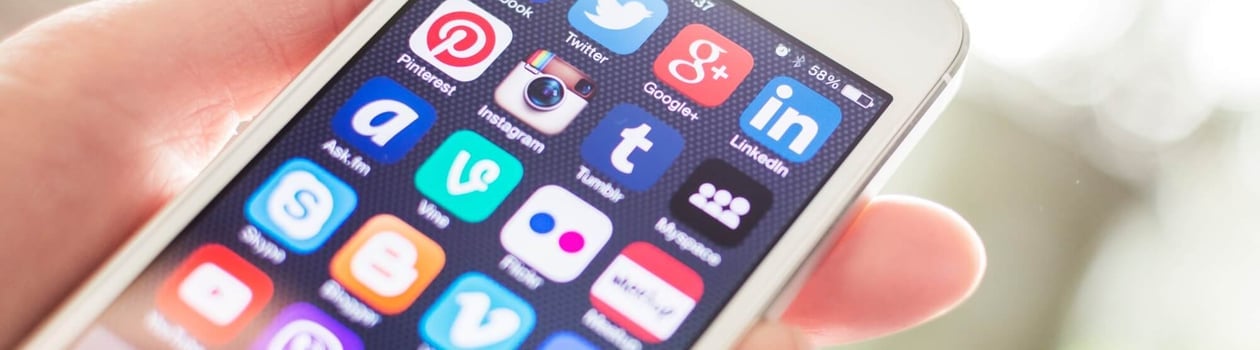
Social media seems to be everywhere these days. Though the days of social media pioneer Myspace are now long gone, we’re constantly hearing about trending topics on Twitter, laughing at social media fails and many people are obsessive about keeping up with their Facebook news feed. Even if Facebook and Twitter aren’t for you, there’s still blogging, Vine, Snapchat, and even LinkedIn, among many others. Even businesses have recognized the value of social media for connecting with customers and selling their product, as well as quickly updating users about problems affecting their service.
Social media has become a major factor in the world. For many of us, it is how we keep up with what our friends are up to, even if they’re on the other side of the planet. It has also played a big part in world events. Twitter was used to organise protests and report on events during the Arab Spring, for example. On a more shallow note, Twitter is a great way to keep up with what your favorite celebrities are up to – as long as they don’t just use it to Instagram pictures of their lunch!
If we’re honest, most of us use social media for less than upright purposes ourselves. We use it to show off our holidays and what adventures we have planned for the weekend. Almost everyone presents an idealised version of themselves on social media, whether by detagging unflattering photos or implying their life is more exciting and glamorous than it really is. Never compare yourself negatively to your friends on social media as you’re only seeing what they want you to see!
There are lots of reasons to love Social Media Day. One of our favorite things about social media is that it is ripe for discovery. It gives everyone the ability to have a voice. They can document their daily activities, share their opinions, and showcase their talents. Up-and-coming entertainers have often found stardom through social media. Just look at Justin Bieber; he was touted via YouTube. Social media opens up a world of possibilities for people, and that is something very exciting! It is also a great place for people to find out news and information. A lot of people will turn to Twitter for the latest updates, rather than heading to news websites, as used to be the case.
Social Media Day Timeline
PLATO introduces online community features
The PLATO computer system at the University of Illinois debuts shared notes, message boards, and chat tools that many historians see as precursors to modern social media communities.
Usenet popularizes global online discussions
Programmers create Usenet, a distributed discussion system that lets users post and reply in topic-based newsgroups, helping establish large-scale, user-driven online conversations.
“Social media” as a term begins to emerge
Technology commentators and companies start informally using the phrase “social media,” though later investigations find multiple competing claims and no single verifiable coinventor of the term.
SixDegrees launches early profile-based networking
SixDegrees.com goes online with user profiles, friend lists, and network browsing, and is widely recognized as one of the first modern-style social networking websites.
Facebook accelerates mass social networking
Launched on February 4, Facebook begins as a campus network and rapidly expands worldwide, helping to normalize real-name profiles, news feeds, and everyday social networking.
YouTube brings user-generated video into the mix
YouTube’s launch makes it easy for anyone to upload, share, and comment on videos, turning video-sharing into a central pillar of social media culture and communication.
Instagram ushers in mobile visual social media
Instagram arrives as a mobile-first photo app with built-in social networking, filters, and a scrolling feed, cementing image-focused sharing as a dominant form of social media use.
History of Social Media Day
Social Media Day has been taking place since 2010. It was founded by Mashable as a way of recognizing the impact that social media has had on communications around the world, as well as bringing people together to celebrate.
Social media is used by most people on a daily basis. It enables us to communicate with our friends and family in a quick and convenient way. There are a lot of people who also use social media as a business, such as social media influencers. They make money by sharing content with their followers. It is crazy to think about the role that social media plays in society today.
Because of this, Mashable decided that it would be a good idea to create a day to honor social media. For those who are unaware, Mashable is a worldwide entertainment and multi-platform media business. They are known for using social media as part of their operations.
They are also known for their awards – the Mashable Awards – which recognize the best online services and communities. The company was established in 2005 by Pete Cashmore and it is headquartered in New York.
Social Media Day Facts
Early Online Communities Laid the Groundwork for Modern Social Media
Long before Facebook or TikTok, early systems like Usenet in the 1980s let users post messages to topic-based groups that were distributed across servers worldwide.
These text-only discussion boards created persistent public conversations, user handles, and community norms that foreshadowed many of the social features and moderation challenges seen on today’s platforms.
SixDegrees Helped Define the Modern “Social Network”
Launched in 1997, SixDegrees is often cited as one of the first recognizable social networking sites because it let people create profiles, list their friends, and surf those friend lists.
That combination of user profiles and visible social connections became a template for later giants like Friendster, MySpace, and Facebook.
Short Posts Turned Social Media into a Real‑Time Newswire
Microblogging services such as Twitter, launched in 2006, transformed social media from static profile pages into a live stream of short updates.
This real‑time format made it easier for eyewitnesses, journalists, and officials to share breaking information quickly, which is why social platforms now frequently function as de facto newswires during elections, disasters, and protests.
Mental Health Misinformation Is Widespread on Social Platforms
A 2024 review of research on mental health misinformation found that false or misleading content about psychiatric disorders and treatments is common on major social platforms, though the exact level varies by condition and topic.
Researchers warn that such posts can encourage harmful self‑diagnosis, delay evidence‑based care, and undermine trust in mental health professionals.
Most Popular TikTok “Mental Health Tips” Videos Were Misleading
An analysis summarized by the American Psychological Association looked at 500 highly viewed TikTok videos tagged with mental health–related hashtags and reported that more than 80 percent contained misleading or inaccurate information.
Many clips promoted oversimplified diagnoses or unproven treatments, highlighting how social media virality does not reliably track clinical accuracy.
Youth Mental Health Risks Have Prompted Policy Responses
A policy analysis from Stanford Law School notes that research links heavy social networking use with higher risks of depression, anxiety, and psychological distress, especially among adolescents.
Concern has grown to the point that New York City publicly labeled major social media platforms a youth public health threat and filed lawsuits claiming they contribute to a nationwide mental health crisis.
Influencers Sit at the Center of a Multi‑Billion‑Dollar Ecosystem
Academic work on the “economics of influencers” describes creators as key intermediaries between brands, platforms, and audiences, supported by agencies, analytics firms, and merchandisers.
A 2025 summary from the University of Texas at Dallas notes that content creators are now integral to an industry worth “hundreds of billions of dollars” when platform ad revenues and related creator‑driven activity are considered together.