
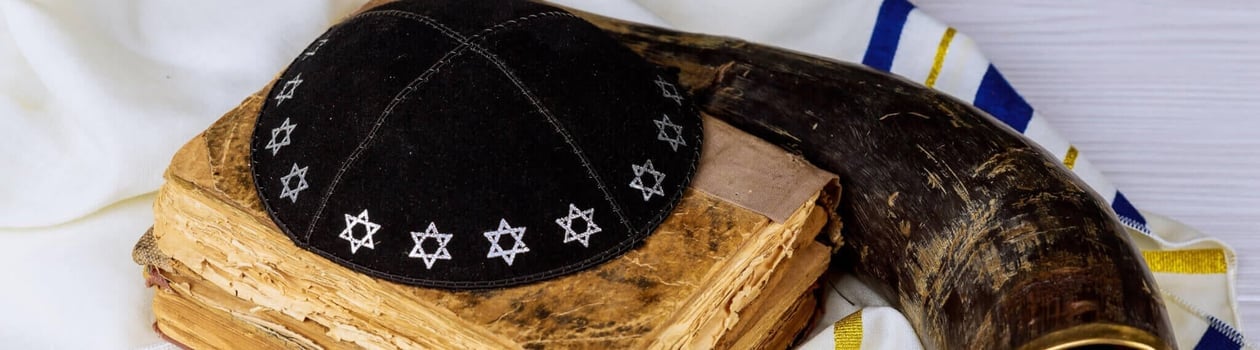
Yom Kippur, often called the Day of Atonement, stands as the most sacred day in Judaism. It’s a time when Jewish people reflect deeply, seeking forgiveness for past actions and aiming to start anew.
The day encourages individuals to pause, consider their deeds, and make amends with both others and themselves. This introspection fosters a sense of personal growth and communal harmony.
During Yom Kippur, many engage in fasting and prayer, dedicating the day to spiritual contemplation. The fast, lasting about 25 hours, symbolizes a break from daily routines to focus on inner reflection.
Synagogues become centers of worship, where congregants participate in services that emphasize repentance and renewal. This collective observance strengthens community bonds and underscores the importance of accountability.
How to Celebrate Yom Kippur
Yom Kippur invites deep reflection and meaningful actions. Here are several ways to engage with this sacred day:
Embrace the Fast
Fasting on Yom Kippur involves abstaining from food and drink for approximately 25 hours. This practice shifts focus from physical needs to spiritual growth.
It’s a time to consider past actions and seek forgiveness. Those unable to fast due to health reasons are encouraged to reflect in other meaningful ways.
The fast concludes with the sounding of the shofar, marking the end of the day’s observance.
Participate in Prayer Services
Attending synagogue services provides a structured environment for introspection and community connection.
Key prayers include Kol Nidre and Ne’ilah, which frame the day’s themes of repentance and renewal. These services offer moments to contemplate personal growth and communal responsibilities. Engaging in prayer can deepen the sense of purpose and commitment to positive change.
Wear White Clothing
Donning white garments symbolizes purity and a fresh start. This tradition reflects the aspiration to cleanse oneself of past misdeeds.
Some choose to wear a kittel, a simple white robe, during services. The uniformity of white attire fosters a sense of unity and shared intention among participants.
Refrain from Physical Comforts
Abstaining from activities like bathing, wearing leather shoes, and applying lotions emphasizes the day’s solemnity.
These practices encourage focusing on inner reflection rather than external appearances. By minimizing distractions, individuals can concentrate more fully on the spiritual aspects of Yom Kippur.
Seek Reconciliation
Yom Kippur emphasizes the importance of mending relationships. Taking time to apologize and forgive can lead to healing and strengthened bonds.
This process involves acknowledging mistakes and expressing genuine remorse. Reconciliation contributes to personal growth and communal harmony.
History of Yom Kippur
Yom Kippur, known as the Day of Atonement, holds a significant place in Jewish tradition. Its origins trace back to the time when the Israelites journeyed through the desert after leaving Egypt.
According to tradition, after receiving the Ten Commandments from God on Mount Sinai, Moses descended to find the people worshipping a golden calf. In response, he shattered the tablets in anger.
The community later sought forgiveness for this transgression, and God granted it, marking this event as the first Yom Kippur. This day has since been observed as a time for repentance and seeking forgiveness.
The practices associated with Yom Kippur were further detailed in the Book of Leviticus. Here, instructions were given for the high priest to perform specific rituals to atone for the sins of the people.
These included entering the Holy of Holies and offering sacrifices. Over time, as the Temple in Jerusalem was destroyed and sacrifices ceased, the focus shifted to prayer, fasting, and personal reflection. Today, Yom Kippur remains a solemn day dedicated to introspection and reconciliation.



You may also like

National Black America’s Day of Repentance
Discover the meaning of National Black America’s Day of Repentance, a sacred pause for prayer, fasting, healing, and spiritual renewal through reflection.

Global Forgiveness Day
Let go of the burden of grudges and anger and forgive those who have wronged you. Reach out, write it down, or even take time to forgive yourself.
- Australia
- Canada
- United Kingdom
- and 1 more

Forgive Mom & Dad Day
Healing your heart and letting go of resentment can be liberating, allowing you to move forward with love and positivity.
- Canada
- International
- United Kingdom
- and 1 more
Ash Wednesday
Ash Wednesday marks the start of a significant season in many Christian communities. It is a time for reflection and spiritual renewal. The day encourages individuals to consider their actions, relationships, and faith. With ashes on the forehead, this day powerfully reminds us of life's fragility and the need for...
National days and holidays on September 20

Day of Wallonia
The Day of Wallonia is a lively celebration of the Walloon region in Belgium. People from all over the area come together to honor their culture, traditions, and unity. The day bursts with parades, music, and joyful gatherings in towns and cities. It’s a time when the community proudly showcases...

National Pepperoni Pizza Day
A perfect combination of cheesy goodness and savory toppings, this classic dish is a crowd-pleaser that's perfect for any occasion.

National Fried Rice Day
The savory goodness of fluffy, steaming grains, expertly combined with tender meats, fresh vegetables, and a symphony of exotic spices.

National Queso Day
Cheese dip lovers will especially enjoy the special feature of this day because it’s time for National Queso Day! How to Celebrate National Queso Day National Queso Day can be enjoyed in a variety of ways, including celebrating with some of these ideas: Enjoy Some Queso Dip In celebration of...
Seize Every Day
Join free for personalised recommendations, email reminders and exclusive guides. Never miss a day.