
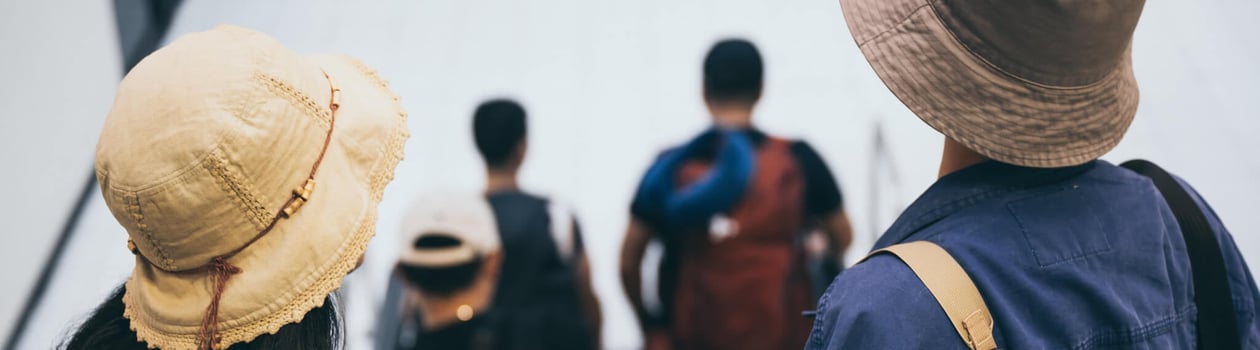
Imagine stepping onto Norfolk Island on Bounty Day, where everyone suddenly becomes a time traveler.
Locals dressed in old-fashioned frocks and hats parade through town as if they’ve just stepped off the set of a historical drama. It’s like history class, but way more fun and with better snacks.
Take advantage of the re-enactment at Kingston Pier, where actors hilariously try to row their way into history while you cheer them on from the sidelines.
How to Celebrate Bounty Day
Bounty Day includes a parade through Kingston, wreath-laying ceremonies at the cenotaph and cemetery, and communal singing of hymns. This not only commemorates their history but also strengthens community bonds and cultural identity.
Throughout the day, participants enjoy traditional foods, games, and a special Bounty Ball in the evening. The atmosphere is one of unity and celebration, reflecting on the endurance and legacy of the island’s settlers.
For visitors, it’s an opportunity to witness and participate in a unique cultural experience that highlights the island’s history and the enduring spirit of its people.
Dress in Traditional Attire
Step into the past by donning traditional clothing. Imagine yourself in a time long gone, with frocks and hats typical of the settlers.
Bright colors and comfortable fabrics make it fun and authentic. Everyone looks wonderful in old-timey outfits!
Re-enact the Landing
Join the islanders at Kingston Pier for a lively re-enactment of the Pitcairn Islanders’ arrival. Watch as actors portray the historic landing, complete with boats and cheers.
Feel the excitement and sense of adventure as history comes to life.
Parade Through Town
March along in the colorful parade through the streets of Kingston. Flags wave, music plays, and spirits soar. People of all ages join in, celebrating together.
It’s a joyous sight to behold and even more fun to participate in!
Lay Wreaths and Sing
Pay respects at the cenotaph and cemetery by laying wreaths. Sing traditional hymns alongside the locals.
These moments are touching and meaningful, reminding everyone of the island’s rich heritage and the sacrifices of their ancestors.
Enjoy Traditional Foods
Savor the flavors of Norfolk Island with a feast of traditional foods. Think roasted meats, fresh salads, and delectable desserts.
The island’s cuisine offers a tasty journey through its history. Bring your appetite and enjoy the culinary delights.
Play Traditional Games
Get involved in the traditional games held throughout the day. From sack races to tug-of-war, these activities are great fun for everyone. They add a playful and competitive spirit to the celebrations, perfect for all ages to enjoy.
Attend the Bounty Ball
End the day with the elegant Bounty Ball. Dance the night away in style. The ball features music, dancing, and a celebration of community. It’s the perfect way to wrap up the festivities with a touch of class and a lot of joy.
Capture the Memories
Remember to bring a camera or smartphone. Capture vibrant moments, smiling faces, and beautiful settings.
Share your Bounty Day experience with friends and family, keeping the memories alive for years to come.
Why Celebrate Bounty Day
Bounty Day is a vibrant celebration held on Norfolk Island, filled with historical significance and deep cultural roots.
This day is a cherished occasion for the locals, marking the arrival of their ancestors from Pitcairn Island. It’s a unique and colorful event that showcases the island’s rich heritage and draws both locals and visitors alike. The celebration honors
the Pitcairn Islanders’ journey and settlement on Norfolk Island. These descendants of the Bounty mutineers and their Tahitian companions were granted Norfolk Island by Queen Victoria, providing them a new home after their previous settlement outgrew Pitcairn Island.
Bounty Day Timeline
HMS Bounty Departs England
The Royal Navy sends HMS Bounty under Lieutenant William Bligh to the Pacific to collect breadfruit plants from Tahiti, setting in motion the voyage that will later lead to mutiny and new settlements in the South Pacific.
Mutiny on the Bounty
Fletcher Christian leads part of the crew in seizing HMS Bounty in the Tonga region, setting Bligh and loyalists adrift and beginning the break with British naval authority that will eventually give rise to the Pitcairn and Norfolk Island communities.
Bounty Mutineers Settle Pitcairn Island
After months at sea, nine mutineers, six Tahitian men, and eleven Tahitian women burn HMS Bounty and establish a hidden settlement on remote Pitcairn Island, founding the community from which many Norfolk Islanders are later descended.
Pitcairn Community Revealed to the Outside World
The American sealing ship Topaz rediscovers Pitcairn Island and finds a surviving community led by John Adams, bringing international attention to the isolated descendants of the Bounty mutineers and their Polynesian partners.
Pitcairn Islanders Arrive on Norfolk Island
After Pitcairn becomes overcrowded, 194 islanders sail aboard the Morayshire and land at Kingston on Norfolk Island, taking over former penal colony buildings and beginning a transplanted culture rooted in Bounty and Tahitian ancestry.
Norfolk Island Granted to the Pitcairn Descendants
The British government formally sets Norfolk Island apart as a distinct settlement for the Pitcairn Islanders and their descendants, recognizing their unique community and granting them continued occupation of the island.
Blending of Pitcairn Heritage with Norfolk Identity
Across the 1900s, the descendants of the Bounty mutineers develop a distinct Norfolk Island culture, preserving Pitkern-Norf’k language, family histories, and commemorative traditions that keep the Bounty story central to local identity.
History of Bounty Day
Bounty Day began as a significant celebration on Norfolk Island to honor the arrival of the Pitcairn Islanders.
These settlers, descendants of the HMS Bounty mutineers and their Tahitian companions, reached the island in 1856. Queen Victoria granted them the land, marking the start of a new chapter in their lives.
Marie Bailey, a Norfolk Island elder, transformed Bounty Day in 1956. She turned it from a small observance into a grand event with historical re-enactments and parades. This change helped the islanders connect more deeply with their heritage and traditions.
Bounty Day is more than just a historical commemoration. It is a day for Norfolk Islanders to come together, share stories, and strengthen their community bonds.
The celebrations foster a sense of pride and continuity, linking the past with the present. Traditional foods, games and the evening Bounty Ball add joy and a sense of continuity to the festivities. Each year, the islanders remember their roots and celebrate their unique heritage.
Facts About Bounty Day
Pitcairn Islanders Traced Their Family Lines to Just Nine Original Settlers
The Norfolk Island community that celebrates its Bounty heritage today largely descends from a remarkably small founding group on Pitcairn Island: nine HMS Bounty mutineers, six Tahitian men, eleven Tahitian women, and a baby.
By 1856, when these families were resettled to Norfolk Island, their descendants numbered 193 people, creating one of the world’s most famous examples of a population stemming from a tiny, mixed-heritage founding group.
Norfolk Island Was Reused After a Brutal Penal-Colony Era
Before it became home to the Bounty descendants, Norfolk Island had twice served as a British penal colony, including a notoriously harsh “second settlement” from 1825 to 1855 that was reserved for reoffending convicts from New South Wales and Van Diemen’s Land.
When the prison was finally closed and convicts removed, the island’s buildings and farmland were repurposed as a ready-made homeland for the Pitcairn community.
Queen Victoria Formally Granted Norfolk Island to the Pitcairn Community
The move from Pitcairn to Norfolk in 1856 was not just an informal relocation. The British government, with Queen Victoria’s approval, made Norfolk Island a distinct settlement for the Pitcairn Islanders, granting them the use of former convict land and buildings.
This legal and symbolic transfer recognized the community as a distinct people within the British Empire, rather than as ordinary colonial settlers.
The Norfuk Language Blends 18th‑Century English With Tahitian Roots
Norfolk Island’s traditional language, known as Norfuk or Norf’k, developed from the speech of the Bounty mutineers and their Tahitian companions and preserves many 18th‑century English expressions alongside Polynesian vocabulary.
UNESCO lists Norfuk as a definitely endangered language, and local efforts include teaching it in schools and using it in public ceremonies to keep this distinctive creole alive.
Genetic Studies Show a Distinct Polynesian–European Mix in Bounty Descendants
Modern DNA studies of people descended from the Bounty mutineers and their Tahitian partners reveal a clear blend of European and Polynesian ancestry.
Mitochondrial DNA and Y‑chromosome analyses confirm the oral histories, showing maternal lines that trace back to Tahiti and paternal lines to Britain, and documenting how a small founder group shaped the genetic profile of both Pitcairn and Norfolk Island communities.
Traditional Norfolk Island Cuisine Reflects Both British and Polynesian Origins
Norfolk Island’s everyday and festive foods grew out of the mixed heritage of the Pitcairn settlers and the supplies available on a remote Pacific island.
Dishes such as mudda (a green banana dumpling), kumara-based recipes, and hearty puddings combine Polynesian ingredients like taro and banana with British-style baking and boiling methods, creating a hybrid cuisine that is strongly tied to family gatherings and community celebrations.
Norfolk Island’s Kingston and Arthur’s Vale Area Is a World Heritage Landscape
The historic area where many island ceremonies are held forms part of the Kingston and Arthur’s Vale Historic Area (KAVHA), which UNESCO inscribed on the World Heritage List in 2010.
It is recognized as one of the best-preserved examples of British penal-colony architecture and landscape planning in the Southern Hemisphere, as well as an ongoing cultural space for the descendants of the Bounty settlers.
Bounty Day FAQs


You may also like
Ellis Island Day
An historic gateway where countless dreams embarked, welcoming diverse stories from distant lands and shaping the American tapestry.
- United States

National Rhode Island Day
National Rhode Island Day is a celebration dedicated to the smallest state with a big heart. This day is all about appreciating Rhode Island's unique charm and vibrant culture. The Ocean State, with its beautiful coastline and charming cities, comes alive as residents and visitors alike enjoy various activities. From...
- United States
National Angel Island Day
National Angel Island Day honors a place where thousands once stood, waiting to enter a new life. The island’s quiet hills and old barracks still hold whispers of voices from across the ocean. Families remember the names, languages, and hopes that traveled with them. It’s a day that brings people...
- United States

Islander Day
Islander Day is a midwinter pause built especially for Prince Edward Island, Canada, when the pace slows and the word “busy” gets gently escorted out the door. It is designed for rest, reconnection, and a little seasonal fun, whether that means bundling up for outdoor adventures or leaning hard into...
- Canada
National days and holidays on June 8

Vivid Sydney
Vivid Sydney is a dazzling celebration that transforms the city into a vibrant playground of lights, music, and creativity. For weeks, iconic landmarks and urban spaces glow with stunning light installations and 3D projections, captivating both locals and tourists. This festival draws millions of visitors each year, offering an enchanting...
- Australia

National Best Friends Day
National Best Friends Day honors the deep bond between besties, inspiring people to show gratitude, share memories, and celebrate friendship in all its forms.
- Australia
- Canada
- United Kingdom
- and 1 more

The Big Lunch
The Big Lunch is a beautiful day filled with community spirit. This annual event is like an enormous block party, where the tantalizing fragrances of home-cooked delicacies mingle with music and laughter. The event means sharing meals. It also means making new - or renewing - heartwarming connections. As...
- United Kingdom

National Upsy Daisy Day
National Upsy Daisy Day celebrates waking up with gratitude, positivity, and kindness, inspiring people to greet the morning with a cheerful, can-do attitude.
- United States
Seize Every Day
Join free for personalised recommendations, email reminders and exclusive guides. Never miss a day.