National Clam Chowder Day
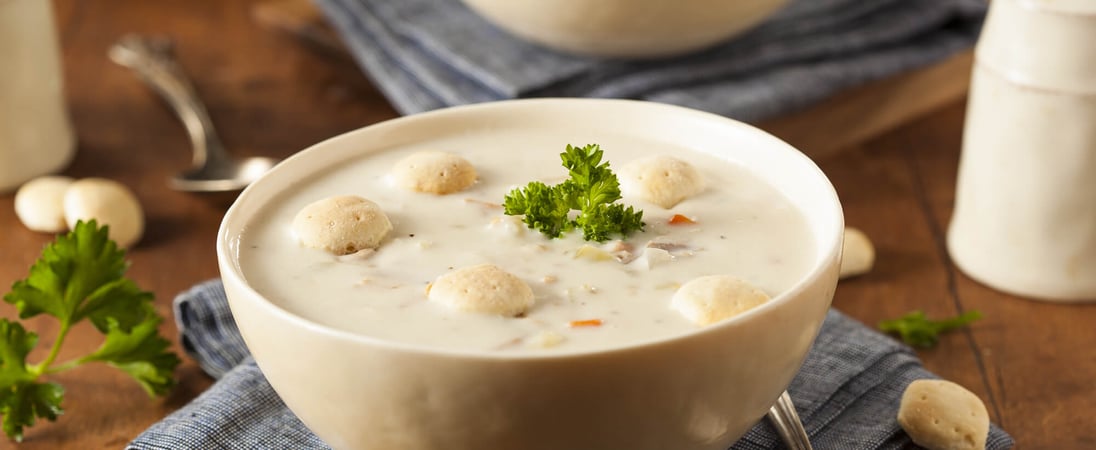
It's like a warm, creamy ocean hug for the taste buds, rich with the essence of the briny deep, bringing comfort in every spoonful.
Love clams and chowder? Most people have heard of clam chowder, even if they can’t agree on what “counts” as the real thing.
National Clam Chowder Day is a delicious excuse to celebrate a bowl of coastal comfort food that has traveled far beyond its seafaring roots, inspiring rival styles, family recipes, and restaurant bragging rights.
How to Celebrate National Clam Chowder Day
Whip Up Some Clam Chowder
Making clam chowder at home can be as relaxed or as meticulous as a cook wants it to be. At heart, chowder is a practical kind of food: filling, comforting, built from affordable ingredients, and flexible enough to work with whatever is available. That’s great news for home cooks, because it leaves plenty of space for personal touches without worrying about breaking any unwritten rules.
A traditional creamy chowder usually begins with an aromatic base. Diced onion and a bit of salt pork or bacon provide the savory foundation. Once the pork is crisp, the rendered fat is used to gently cook the onion until soft and fragrant, layering in flavor from the very start. Potatoes do most of the heavy lifting. As they simmer, they release starch that naturally thickens the soup, often reducing the need for added flour.
Clams are the centerpiece, and there are a few common ways to handle them:
- Fresh clams in their shells: This option delivers the freshest ocean flavor and a hands-on cooking experience. The clams are steamed until they open, the cooking liquid is strained and added to the pot, and the chopped meat goes in near the end to stay tender.
- Canned clams: Convenient and reliable, canned clams work surprisingly well. Many cooks use the clam juice from the can to boost flavor, adding the clams late in the process so they don’t turn chewy.
- Bottled clam juice: Useful as a supporting player, especially when clams are scarce. It deepens the briny base without relying entirely on water or stock.
In creamy versions, dairy is added once the potatoes are fully tender. Gentle heat is important here, since boiling milk or cream can lead to curdling or a grainy texture. Keeping the chowder at a low simmer helps maintain a smooth, comforting consistency.
Thickening is where individual preferences really shine. Some cooks rely solely on potatoes for a naturally thick chowder, while others want something hearty enough to stand a spoon in. Flour can be used to make a quick roux with the pork fat, or added as a slurry. An old-school alternative is crumbled crackers or croutons, which thicken the soup while adding a cozy, nostalgic note. Oyster crackers are a classic choice, but almost any crisp cracker will do.
National Clam Chowder Day is also a good excuse to adapt the dish to different dietary needs. It’s easy to make:
- Milk-free chowder using unsweetened non-dairy milk or blended potatoes for creaminess.
- Gluten-free chowder by skipping flour and thickening with potatoes or cornstarch.
- A lighter version by using milk instead of cream, adding more vegetables, or cutting back on pork.
Seasoning is best approached carefully, especially since salt pork, bacon, and clam juice already bring plenty of salt. A final taste at the end helps fine-tune salt, pepper, and herbs. Many people like a generous crack of black pepper, and a bay leaf simmered in the pot can add subtle depth. Chowder is meant to be comforting, not overpowering.
Ordering Clam Chowder Instead
Making clam chowder at home can be as relaxed or as meticulous as a cook wants it to be. At heart, chowder is a practical kind of food: filling, comforting, built from affordable ingredients, and flexible enough to work with whatever is available. That’s great news for home cooks, because it leaves plenty of space for personal touches without worrying about breaking any unwritten rules.
A traditional creamy chowder usually begins with an aromatic base. Diced onion and a bit of salt pork or bacon provide the savory foundation. Once the pork is crisp, the rendered fat is used to gently cook the onion until soft and fragrant, layering in flavor from the very start. Potatoes do most of the heavy lifting. As they simmer, they release starch that naturally thickens the soup, often reducing the need for added flour.
Clams are the centerpiece, and there are a few common ways to handle them:
- Fresh clams in their shells: This option delivers the freshest ocean flavor and a hands-on cooking experience. The clams are steamed until they open, the cooking liquid is strained and added to the pot, and the chopped meat goes in near the end to stay tender.
- Canned clams: Convenient and reliable, canned clams work surprisingly well. Many cooks use the clam juice from the can to boost flavor, adding the clams late in the process so they don’t turn chewy.
- Bottled clam juice: Useful as a supporting player, especially when clams are scarce. It deepens the briny base without relying entirely on water or stock.
In creamy versions, dairy is added once the potatoes are fully tender. Gentle heat is important here, since boiling milk or cream can lead to curdling or a grainy texture. Keeping the chowder at a low simmer helps maintain a smooth, comforting consistency.
Thickening is where individual preferences really shine. Some cooks rely solely on potatoes for a naturally thick chowder, while others want something hearty enough to stand a spoon in. Flour can be used to make a quick roux with the pork fat, or added as a slurry. An old-school alternative is crumbled crackers or croutons, which thicken the soup while adding a cozy, nostalgic note. Oyster crackers are a classic choice, but almost any crisp cracker will do.
National Clam Chowder Day is also a good excuse to adapt the dish to different dietary needs. It’s easy to make:
- Milk-free chowder using unsweetened non-dairy milk or blended potatoes for creaminess.
- Gluten-free chowder by skipping flour and thickening with potatoes or cornstarch.
- A lighter version by using milk instead of cream, adding more vegetables, or cutting back on pork.
Seasoning is best approached carefully, especially since salt pork, bacon, and clam juice already bring plenty of salt. A final taste at the end helps fine-tune salt, pepper, and herbs. Many people like a generous crack of black pepper, and a bay leaf simmered in the pot can add subtle depth. Chowder is meant to be comforting, not overpowering.
Ordering Clam Chowder Instead
Making clam chowder at home can be as relaxed or as meticulous as a cook wants it to be. At heart, chowder is a practical kind of food: filling, comforting, built from affordable ingredients, and flexible enough to work with whatever is available. That’s great news for home cooks, because it leaves plenty of space for personal touches without worrying about breaking any unwritten rules.
A traditional creamy chowder usually begins with an aromatic base. Diced onion and a bit of salt pork or bacon provide the savory foundation. Once the pork is crisp, the rendered fat is used to gently cook the onion until soft and fragrant, layering in flavor from the very start. Potatoes do most of the heavy lifting. As they simmer, they release starch that naturally thickens the soup, often reducing the need for added flour.
Clams are the centerpiece, and there are a few common ways to handle them:
- Fresh clams in their shells: This option delivers the freshest ocean flavor and a hands-on cooking experience. The clams are steamed until they open, the cooking liquid is strained and added to the pot, and the chopped meat goes in near the end to stay tender.
- Canned clams: Convenient and reliable, canned clams work surprisingly well. Many cooks use the clam juice from the can to boost flavor, adding the clams late in the process so they don’t turn chewy.
- Bottled clam juice: Useful as a supporting player, especially when clams are scarce. It deepens the briny base without relying entirely on water or stock.
In creamy versions, dairy is added once the potatoes are fully tender. Gentle heat is important here, since boiling milk or cream can lead to curdling or a grainy texture. Keeping the chowder at a low simmer helps maintain a smooth, comforting consistency.
Thickening is where individual preferences really shine. Some cooks rely solely on potatoes for a naturally thick chowder, while others want something hearty enough to stand a spoon in. Flour can be used to make a quick roux with the pork fat, or added as a slurry. An old-school alternative is crumbled crackers or croutons, which thicken the soup while adding a cozy, nostalgic note. Oyster crackers are a classic choice, but almost any crisp cracker will do.
National Clam Chowder Day is also a good excuse to adapt the dish to different dietary needs. It’s easy to make:
- Milk-free chowder using unsweetened non-dairy milk or blended potatoes for creaminess.
- Gluten-free chowder by skipping flour and thickening with potatoes or cornstarch.
- A lighter version by using milk instead of cream, adding more vegetables, or cutting back on pork.
Seasoning is best approached carefully, especially since salt pork, bacon, and clam juice already bring plenty of salt. A final taste at the end helps fine-tune salt, pepper, and herbs. Many people like a generous crack of black pepper, and a bay leaf simmered in the pot can add subtle depth. Chowder is meant to be comforting, not overpowering.
History of National Clam Chowder Day
Clam chowder’s story begins with chowder itself, a category of robust seafood stews long tied to coastal life. Early chowders were practical, communal meals: simmered in a pot, built from fish or shellfish, and stretched with vegetables and pantry staples.
Historical references place chowder traditions in the 1700s, influenced by French, British, and Nova Scotian foodways brought by settlers and seafarers. The dish fit the needs of working communities because it was filling, adaptable, and easy to make in quantity.
Even the word “chowder” hints at its seafaring practicality, often linked to the idea of a cooking pot or cauldron. That image suits the dish: one pot, simple ingredients, and a warming payoff.
Early American chowders were not always the creamy bowls many people picture now. They often leaned more toward brothy fish soups. By the late 1700s, chowder-type recipes and descriptions commonly featured staples like onions and potatoes, sometimes carrots, and they were thickened in straightforward ways.
Crackers, hard bread, or crouton-like additions helped create body and made the meal more substantial. These thickeners were not just culinary flair; they were smart, shelf-stable ingredients that made sense for sailors and coastal households.
As chowder evolved, clams became a natural star ingredient in places where shellfish were plentiful and familiar. Written records point to clam-inclusive chowder recipes appearing in the 1800s, with notable references to clams being added by the 1830s.
Clam chowder also became closely associated with Boston-area dining culture, and by the time the Union Oyster House was serving bowls in the 1830s, chowder had a strong identity as a seafood staple. It wasn’t only restaurant fare, either. It was also a sailor’s friend: a way to make a steady diet of seafood feel varied and satisfying.
Over time, creamy chowder gained ground, particularly in cooler regions where dairy was abundant and suited local tastes. Milk and cream transform chowder into a softer, richer comfort food, rounding out the briny punch of clams.
The creamy style now widely recognized as “New England clam chowder” typically includes clams, potatoes, onions, and some kind of pork for smoky depth. It’s the bowl many people imagine when they hear the phrase “clam chowder,” and it became a defining regional signature.
But clam chowder is nothing if not adaptable, and regional spin-offs soon developed their own loyal followings. Among the most famous is **Manhattan clam chowder**, which swaps dairy for tomatoes, creating a red broth that feels lighter and brighter.
Tomato-based clam chowder recipes appear in print by the late 1800s, and the “Manhattan” name shows up in cookbooks in the early 1900s. Its supporters love the tangy, savory balance, while its critics sometimes act like someone replaced their favorite sweater with a raincoat.
Other regional styles add even more variety. “Rhode Island clam chowder” is often described as clear-broth, avoiding both dairy and tomatoes, which lets clam flavor stay front and center. “Long Island clam chowder” is frequently mentioned as a further variation, sometimes described as a bridge between red and white styles.
These names get used in different ways depending on the cook or restaurant, which is part of chowder’s charm: it’s a dish that welcomes interpretation.
Of course, nothing fuels a food tradition like a good argument. One of the most repeated pieces of chowder lore involves a proposed bill in Maine’s legislature that would have restricted the use of tomatoes in clam chowder.
Accounts commonly place this attempted tomato ban in the late 1930s, and whether someone finds it hilarious or alarming depends entirely on where they stand in the red-vs-white debate. Either way, the story captures something true about chowder culture: people care about it enough to get dramatic.
As the 1900s progressed, clam chowder became not just a coastal specialty but a national comfort food, helped along by restaurants, cookbooks, and eventually canned soup brands.
Shelf-stable versions introduced many households to chowder’s flavor profile, even if the experience differs from a pot simmered at home. That wider availability turned chowder into an everyday option, not only a seaside treat.
National Clam Chowder Day spotlights the dish’s full journey: from working-class coastal stew to menu mainstay, from a practical sailor’s meal to a recipe that inspires fierce loyalty and friendly debate.
Some celebrate by tracking down the best bowl in town; others keep it simple with a can and a handful of crackers; and plenty of people use the day as motivation to stir a pot and make the kitchen smell like pure comfort.
National Clam Chowder Day FAQs
What is the difference between New England, Manhattan, and Rhode Island clam chowder?
New England clam chowder is a thick, creamy soup made with a milk or cream base, potatoes, clams, onions, and often salt pork or bacon.
Manhattan clam chowder replaces the dairy with a tomato-based broth and usually includes vegetables like celery, carrots, and sometimes green peppers, resulting in a lighter, red soup.
Rhode Island clam chowder is typically made with a clear clam broth, potatoes, and clams, without cream or tomato, so it tastes brinier and more focused on the flavor of the shellfish itself.
Is clam chowder safe for people with shellfish allergies if the clams are removed?
Clam chowder is not safe for people with shellfish allergies, even if visible clams are removed, because proteins from the clams leach into the broth during cooking.
These allergenic proteins can trigger reactions ranging from hives to life-threatening anaphylaxis, and even trace amounts may be enough for highly sensitive individuals.
People with shellfish allergies are advised to avoid chowders made with any shellfish and to ask about cross-contact in restaurant kitchens. [1]
How long can homemade clam chowder be kept safely in the refrigerator?
The U.S. Department of Agriculture advises that perishable cooked foods such as seafood soups and chowders, should be refrigerated within two hours of cooking and then kept for no more than three to four days.
Chowder should be stored in shallow containers to cool quickly, held at or below 40°F (4°C), and reheated to at least 165°F (74°C) before serving to reduce the risk of bacterial growth. If the chowder has been left at room temperature for more than two hours, it should be discarded.
What are the main food safety risks when making clam chowder at home?
Food safety concerns with clam chowder center on both the clams and the dairy. Raw clams can carry bacteria and viruses such as Vibrio and norovirus, so they must come from approved sources and be cooked thoroughly.
People with liver disease, diabetes, or weakened immune systems are at higher risk of severe illness from undercooked shellfish.
Once the chowder is cooked, it must be cooled and refrigerated promptly to prevent bacterial growth in the seafood and milk or cream. Leftovers should be reheated thoroughly rather than just warmed.
Are clams a sustainable seafood choice for chowder?
Many clam fisheries and farms are considered relatively sustainable because clams are filter feeders that do not require feed inputs and can improve water quality where they are grown.
Organizations such as the Monterey Bay Aquarium’s Seafood Watch generally rate farmed clams and many wild clam fisheries as “Best Choice” or “Good Alternative.” However, sustainability varies by species and region.
Consumers who want to support responsible harvesting can look for certifications such as the Marine Stewardship Council (MSC) or consult regional seafood guides. [2]
Why is clam chowder so strongly associated with New England in particular?
Clam chowder is linked to New England because it developed along the region’s cold Atlantic coast, where hard-shell clams were abundant, and preserved pork, potatoes, and dairy were common staples.
Historical accounts describe chowder-type stews made by European settlers in the 18th and 19th centuries, and by the mid-1800s, creamy clam chowder was a fixture in Boston inns and seafaring communities. Its prominence in New England restaurants and literature helped cement it as a regional icon.
Can people who avoid dairy still enjoy a traditional-style clam chowder?
People who avoid dairy can adapt clam chowder by using a clear broth base or plant-based milks and creams instead of cow’s milk or cream.
Culinary resources commonly suggest thickening non-dairy chowders with a roux made from oil and flour, or with pureed potatoes or cauliflower, to mimic the creamy texture.
While the flavor and richness differ from classic New England versions, these adjustments allow those who are lactose intolerant or following a vegan diet to enjoy a similar style of hearty clam soup if they do not have a shellfish allergy.
Also on ...
View all holidays
National Pink Shirt Day
Be the one who stands up for kindness and respect. Together, we can make a difference and create a world without bullying.

Inconvenience Yourself Day
Extending a hand when needed, embodying kindness, and making a positive impact on someone's life can ignite a chain of compassion that reverberates through humanity.

We think you may also like...
National Gazpacho Day
A taste of Spain with a chilled soup of ripe tomatoes, peppers, and garlic — perfect for beating the heat and tantalizing taste buds.