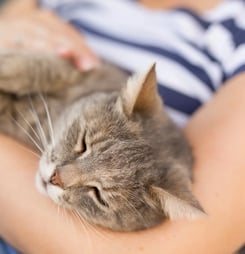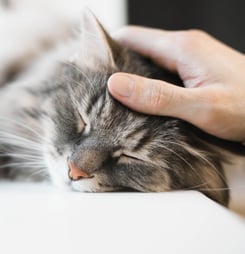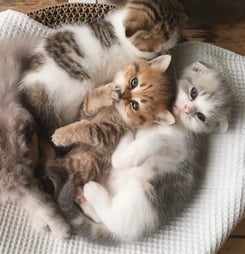

There’s something magical about the soft nudge of a kitten’s nose or the flick of a curious tail. Cuddly Kitten Day celebrates these tiny balls of fluff that bring joy with every paw step.
Their playful leaps, gentle purring, and wide-eyed wonder can lift even the dullest mood. For a moment, the world slows down, and all that matters is the soft warmth of a kitten in your arms.
This day goes beyond simple affection. Holding a kitten can ease stress, calm the mind, and brighten spirits.
It also sparks awareness about caring for pets and choosing adoption. A single cuddle can remind us how much love fits into a small heartbeat wrapped in fur. Kittens don’t just melt hearts—they heal them too.
Cuddly Kitten Day Timeline
First evidence of human–cat companionship
A Neolithic burial on Cyprus shows a human carefully interred alongside a young cat, suggesting an early close bond between people and felines.
Cats enter the household in ancient Egypt
In Egypt, wildcats become regulars in homes and granaries, prized for hunting pests and gradually embraced as cherished household companions.
Bastet and the sacred mother cat
The goddess Bastet, often shown as a cat with kittens, comes to symbolize home, fertility, and protection, reflecting affection for mother cats and their litters.
Start of the commercial pet food era
James Spratt markets the first commercial pet food in England, laying groundwork for later cat-specific diets that make indoor kitten care easier.
Modern cat food for growing kittens
Brands such as Little Friskies and Purina introduce canned and dry cat foods, helping owners reliably feed kittens and popularizing cats as indoor pets.
Invention of modern cat litter
American businessman Edward Lowe introduces clay-based kitty litter, transforming cats from mostly outdoor mousers into practical, cuddly indoor companions.
First scientific study of cat interactions and owner mood
Researchers report that interacting with pet cats improves owners’ mood and activates brain regions linked with emotional regulation, supporting the idea that cuddling cats can ease stress.
How to Celebrate Cuddly Kitten Day
Cuddly Kitten Day offers a delightful opportunity to honor and pamper our feline companions. Beyond simple cuddles, there are numerous creative ways to make this day special for both you and your kitten.
Indulge Your Kitten
Treat your kitten to new toys that stimulate their natural hunting instincts. Interactive playthings, such as feather wands or laser pointers, can provide hours of entertainment.
Additionally, offering special treats or a favorite meal can make them feel cherished.
Create a Cozy Retreat
Design a comfortable space where your kitten can relax and feel secure. This could be a soft bed in a quiet corner or a DIY blanket fort filled with their favorite items.
A dedicated retreat allows your kitten to unwind and enjoy some peaceful moments.
Capture Precious Moments
Organize a mini photoshoot to document your kitten’s adorable antics. Use props or costumes to add a fun element to the pictures. These snapshots will serve as lasting memories of your time together.
Support Local Shelters
Consider donating supplies, funds, or your time to nearby animal shelters. Many kittens await loving homes, and your contributions can significantly impact their lives.
Volunteering also provides socialization opportunities for the animals, enhancing their chances of adoption.
Share the Joy
Spread awareness about Cuddly Kitten Day by sharing photos or stories of your kitten on social media.
Encourage friends and family to participate in the celebration, fostering a community of cat enthusiasts who appreciate and support feline welfare.
History of Cuddly Kitten Day
Cuddly Kitten Day is a special occasion dedicated to celebrating the joy and companionship that kittens bring into our lives. While the exact origins of this day remain unclear, it has become a beloved event for cat enthusiasts worldwide.
This day encourages people to show extra affection to their feline friends and promotes awareness about the benefits of adopting kittens from shelters.
Cats have been companions to humans for thousands of years, with evidence suggesting domestication began around 7500 B.C. in the Near East.
Over time, cats have become cherished members of households globally, admired for their playful nature and affectionate behavior. Cuddly Kitten Day serves to honor these adorable creatures and the happiness they bring to our lives.
Facts About Cuddly Kitten Day
Kitten Socialization Has a Narrow “Goldilocks” Window
Behaviorists describe weeks 2 through 7 of a kitten’s life as a critical socialization period when gentle handling and play shape how friendly and confident the adult cat will become.
Humane organizations note that skills and experiences missed in roughly the first 8 weeks, such as exposure to people and normal household sounds, may never be fully recovered, which is why well-socialized kittens tend to be more relaxed, cuddly companions later on.
Early Handling Can Literally Change a Kitten’s Brain
Guides used by shelters and veterinarians report that short, positive handling sessions every day during the first 7 weeks are linked with larger brain development, more exploratory behavior, and better learning capacity in kittens.
This evidence-based advice underpins socialization protocols that encourage frequent gentle touch, supervised play, and varied experiences to raise confident, people-oriented cats.
Kittens Outnumber Adult Cats Entering U.S. Shelters in Spring and Summer
Shelter data show that “kitten season” in the United States peaks in late spring, when kitten intake rises sharply and remains higher than adult cat intake through much of the summer.
Shelter Animals Count reports that the youngest kittens, especially those under 8 weeks old, make up a large share of these intakes and require intensive foster care, creating a predictable annual strain on resources.
Neonatal Kittens Face the Highest Risk in Shelters
National analyses of shelter outcomes find that the youngest kittens are the most vulnerable group: pre-weaned kittens under about 4 weeks of age account for a disproportionate share of non-live outcomes.
Data summarized by kitten welfare advocates show that more than one-third of kittens under 8 weeks entering shelters do not leave alive, largely because they require round-the-clock bottle-feeding and specialized care that many facilities cannot provide.
All Domestic Cats Trace Back to a Single Wild Ancestor
Genetic studies of hundreds of modern and ancient cats show that today’s house cats descend primarily from one wild subspecies, the Near Eastern or African wildcat Felis silvestris lybica.
Research published in leading journals and summarized by the Library of Congress indicates that these wildcats began associating with early farming communities in the Fertile Crescent, where their rodent-hunting habits made them valuable human partners.
A 10,000-Year-Old Burial Suggests Early Cat–Human Bonds
Archaeologists uncovered a grave in Cyprus dating to about 9,500–10,000 years ago in which a human was buried with a cat, one of the earliest clear signs of a close relationship between people and felines.
Because cats are not native to the island, researchers conclude that humans brought them by boat, implying that cats were already valued companions or working animals long before formal domestication was complete.
Petting a Cat Can Alter Human Stress Chemistry
Studies of human–cat interaction have found that quietly stroking a familiar cat can influence hormones and nervous-system activity associated with stress.
Research summarized by veterinary schools and animal-health organizations reports that cat contact is linked in many people with lower perceived stress, changes in heart rate and blood pressure, and shifts in hormones such as cortisol and oxytocin, which together help explain why a purring kitten can feel so soothing.