If there’s anything that can sour the memory of a great meal, it’s the inevitable post-dinner reckoning at the sink. National No Dirty Dishes Day leans into that shared feeling with a simple premise: enjoy food without creating a pile of plates, pans, and cutlery that needs scrubbing afterward.
It is a playful excuse to step away from the dish rack, simplify mealtime, and treat cleanup as someone else’s problem, or make sure there is barely any cleanup at all.
That does not have to mean sacrificing a decent dinner. The spirit of the day is flexibility: go out to eat, order in, assemble a no-cook spread, or choose clever “low-mess” foods that do not require a stack of cookware. The goal is not to be precious about the rules, but to give everyone a break from the most thankless part of eating.
How To Celebrate National No Dirty Dishes Day
To celebrate this day, the main guideline is straightforward: don’t make dirty dishes. That can be interpreted in a few different ways, and the best approach depends on budget, household size, dietary needs, and whether the day is meant to feel like a treat or simply a relief.
One of the easiest options is to eat food that needs no utensils. Handheld meals naturally reduce the need for forks, knives, and extra plates. Pizza, fried chicken, empanadas, egg rolls, corn dogs, wraps, and stuffed flatbreads all fit the idea.
So do sturdy sandwiches, sliders, and tacos, especially when served straight from their packaging or on a single napkin. Even fruit can be included: bananas, apples, grapes, and clementines are easy to eat without a cutting board.
Another low-dish strategy is to turn dinner into an assembly line rather than a full cooking project. Think of meals that can be put together with minimal prep and equipment. A “snack board” style spread can be made from ready-to-eat items like cheese, crackers, olives, pickles, sliced deli meat, hummus, baby carrots, and grapes.
If anything needs cutting, it can be done once at the beginning using a single knife, then served on disposable paper, compostable trays, or even the original container if it is clean and presentable enough. The focus is on choosing ingredients that do not require mixing bowls, saucepans, or multiple utensils.
Ordering food is the classic way to observe the day, and it remains popular for a reason. Dining at a restaurant, picking up takeout, or ordering delivery removes most of the cleanup at home. It is also a great opportunity to try cuisines that are naturally easy to eat, like dumplings, kebabs, rice bowls, burritos, or finger-friendly appetizers.
For those who still want a “going out” feeling without the effort, a picnic offers a change of setting and a natural way to keep things simple. Packing foods that travel well, along with napkins and single-serve drinks, helps keep the day true to its purpose.
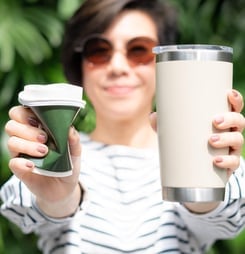
Disposable dishes and cutlery are often linked to National No Dirty Dishes Day, and they certainly make the sink quieter. If using disposable items, it helps to choose ones that match the meal. Sturdier plates can prevent spills that lead to more mess.
Deep bowls work better for salads or saucy dishes than flat plates. A stack of napkins can double as both a placemat and a cleaning tool. Some households also opt for compostable or recyclable products and sort waste carefully afterward, avoiding dishwashing while staying aligned with their values.
For those who prefer not to rely on disposables, it is still possible to create a near zero-dishes meal with a bit of planning. “No dishwashing” does not have to mean “no cooking.” The key is to keep tools to a minimum and avoid sticking or splattering.
- Use parchment paper, foil, or baking liners on sheet pans to avoid scrubbing. Sheet-pan nachos, roasted vegetables, or baked sausages can be cooked on a lined tray and served directly from it.
- Choose “packet” meals where ingredients cook inside parchment or foil. The packet becomes both the cooking vessel and the serving dish.
- Use edible containers. Bread bowls, lettuce wraps, nori sheets, or tortillas can replace plates for certain meals.
- Rely on prepared components. Rotisserie chicken, pre-washed greens, microwaveable grains, and ready-made sauces reduce the need for extra pots and mixing bowls.
- Pick foods that hold up well at room temperature. This makes it easier to eat picnic-style from a single surface without juggling multiple dishes.
Breakfast and dessert can be part of the experience as well. A smoothie in one cup, a bagel eaten by hand, or yogurt with a spoon that is rinsed immediately can keep the sink empty. For dessert, ice cream cones, cookies, brownies cut from a parchment-lined pan, or fruit skewers can satisfy cravings without creating extra dishes.
Celebration can also be about the atmosphere, not just the method. Some households use the day as a reset, avoiding complicated recipes and letting go of pressure to impress. Others turn it into a small event by letting everyone pick their favorite takeout, hosting a “finger food only” challenge, or creating a “no plates allowed” menu that is still balanced and satisfying.
National No Dirty Dishes Day is, at its heart, an invitation to step away from the sink and enjoy food for what it is: comfort, connection, and a bit of fun.
National No Dirty Dishes Day Timeline
Patent for the first practical dishwasher
Inventor Josephine Cochrane’s patented hand-powered mechanical dishwasher marked an early step toward automated dish cleaning, aimed at protecting fine china and reducing labor in large households and hotels.
Crumbine campaigns against communal drinking cups
Kansas health official Dr. Samuel J. Crumbine urged the abolition of the public “common cup” to fight tuberculosis, inspiring the push for individual, disposable cups in railroads, schools, and other public places.
Rise of single-use paper cups
Lawrence Luellen and Hugh Moore developed and marketed individual paper cups, later branded as Dixie Cups, as a sanitary alternative to shared glasses on trains and in public spaces.
Home dishwashers were introduced to the market
Following earlier commercial machines, electric dishwashers designed for home kitchens began to appear in the United States, although early adoption was limited by cost and plumbing requirements.
Disposable tableware supports wartime industry
During World War II, paper plates, cups, and other disposable dishes became common in defense plants and canteens, helping feed large numbers of workers quickly with minimal time spent on washing up.
Dishwashers have become a standard kitchen appliance
Mass production, improved designs, and suburban homebuilding turned automatic dishwashers into a mainstream household appliance, shifting the daily burden of handwashing dishes in many middle-class homes.
First national Earth Day sparks concern over disposables
The first Earth Day in the United States focused attention on litter and solid-waste pollution, prompting public debate over throwaway culture and the environmental impact of disposable plates, cups, and packaging.
History of National No Dirty Dishes Day
National No Dirty Dishes Day is often described as a modern, lighthearted observance that grew from the simple appeal of convenience. It is commonly tied to the world of paper goods and the broader culture of time-saving kitchen solutions.
While different accounts place its beginnings in different decades, the theme has remained consistent: an intentional pause from washing up, enabled either by someone else doing the cleanup or by avoiding traditional dishware altogether.
The idea resonates because dishwashing is a surprisingly persistent part of domestic life. Across generations, the tools have changed, but the chore itself has remained. Even households with dishwashers still deal with loading, unloading, rinsing, and the occasional stubborn pan.
A dedicated day that celebrates not doing dishes turns a mundane task into a shared joke, and it also highlights how much modern eating habits have been shaped by convenience.
Disposable dishes are not a recent innovation, and their history helps explain why a no-dishes observance feels so feasible. Paper plates were developed in the nineteenth century, including an early patent credited to Hermann Henschel in 1867.
Early versions were about practicality and portability, but public health concerns later gave single-use cups and plates a powerful push. At a time when shared cups and utensils were common in public settings, the risks of spreading illness became difficult to ignore.
Public health advocates helped drive change by drawing attention to the dangers of communal drinking vessels. Dr. Samuel J. Crumbine is often associated with campaigns against the “common cup,” encouraging safer alternatives in public spaces.
That movement helped create a market for disposable cups designed for one person at a time. Inventors and entrepreneurs responded with designs that could be produced at scale, leading to iconic paper cup products that became a familiar sight in water stations, schools, and workplaces. The point was not novelty. It was sanitation and standardization.
From there, disposables evolved in step with changes in industry and daily life. As more people worked in large factories and at remote job sites, feeding crowds efficiently became a logistical challenge.
Single-use plates, bowls, wrappers, and wooden cutlery offered a way to serve meals quickly without relying on dishwashing infrastructure. In contexts like construction projects, large-scale manufacturing, and temporary work camps, disposable service ware was simply practical. It reduced the need for water, staffing, and storage. It also made it easier to keep meal breaks orderly and predictable.
At the same time, restaurants continued to grow as a key alternative to home cooking and home cleanup. In many cultures, people have gathered to eat food prepared outside the home for centuries, but modern restaurant culture helped formalize the experience: a dedicated place where cooking, serving, and cleaning are handled by staff.
The appeal has always been more than convenience. Restaurants offer social energy, variety, and the pleasure of being served. For anyone who has ever lingered after a meal because they did not want the evening to end with soap and sponges, the restaurant model feels like a small luxury that is easy to understand.
National No Dirty Dishes Day sits at the intersection of these two trends: the rise of convenience products that minimize cleanup, and the steady popularity of eating away from home. It also reflects a broader shift in how people think about time and domestic labor.
In busy households, small efficiencies matter. A day that encourages skipping the dishwashing routine, even briefly, acknowledges that mealtime is not only about nutrition. It is also about the work that surrounds food, including planning, cooking, and cleaning.
The observance also invites a bit of reflection about habits. Some people use it as a chance to try new strategies for reducing mess in the kitchen, like cooking with liners, relying on one-pan methods, or choosing foods that do not require a stack of serving pieces. Others treat it as a deliberate break, opting for takeout or a meal of simple, handheld favorites.
Either way, the enduring charm of the day is its practicality. It does not demand elaborate preparation, special skills, or a strict script. It simply celebrates the rare and satisfying feeling of finishing a meal and realizing nothing is waiting in the sink.
The Hidden Side of Dishwashing
Behind the simple act of cleaning up after meals lies a deeper story about time, effort, and everyday habits.
From the unequal distribution of household chores to the surprising impact of dishwashing methods on water use and public health, these facts reveal how something as routine as doing the dishes connects to larger social, environmental, and historical patterns.
Invisible Household Labor
Sociologists studying unpaid household work have found that cleaning up after meals, including doing dishes, is one of the most consistently gendered chores.
In many countries, women spend more than twice as much time on cooking and kitchen cleanup as men, even when both partners work full-time, which means “doing the dishes” can significantly contribute to the overall “second shift” of unpaid labor.
Hand-Washing Often Uses More Water Than Dishwashers
Modern energy‑efficient dishwashers can use as little as 3 to 5 gallons of water per cycle, while studies of typical hand‑washing behavior find that people can easily use 8 to 27 gallons to wash the same number of dishes, especially if they leave the tap running.
Life-cycle assessments suggest that, when fully loaded and used in eco-settings, dishwashers usually have a lower water and energy footprint than washing by hand.
How the Dixie Cup Helped Fight Disease
In the early 1900s, public health reformer Dr. Samuel J. Crumbine campaigned against shared drinking cups on trains and in public places after linking them to the spread of tuberculosis and other diseases.
His advocacy helped inspire the development and promotion of single‑use paper cups, later marketed as Dixie Cups, which railroads and public facilities adopted as a more sanitary alternative to communal metal or glass dippers.
Disposable Plates and the Rise of Convenience Culture
Single‑use paper plates and cups spread rapidly in the United States in the early 20th century alongside industrialization and urbanization.
They were embraced by factories, schools, and railroads because they reduced the need for dishwashing facilities and labor, fit into emerging “fast lunch” habits, and aligned with a growing cultural preference for convenience and disposability that would later shape much of postwar consumer culture.
Environmental Cost of Single‑Use Foodware
Environmental assessments of disposable plates, cups, and cutlery show that their production and disposal often consume more raw materials and generate more solid waste than reusable options, especially when litter and marine pollution are considered.
However, analyses also note that the total impact depends on how efficiently reusables are washed, what energy source heats the water, and how many times each reusable item is used before being discarded.
The First Practical Home Dishwashers
Although inventors experimented with dishwashing machines in the 19th century, it was not until the mid‑20th century that electric dishwashers became practical and common in middle‑class homes.
Post‑World War II suburban housing booms, rising household incomes, and marketing that framed appliances as tools to relieve housewives’ workloads all helped transform dishwashers from luxury curiosities into standard kitchen equipment in many industrialized countries.
Why Restaurants Use Such Hot Water
Commercial kitchens follow strict health codes that often require dishwashing machines to reach sanitizing temperatures of around 160 to 180 degrees Fahrenheit or to use chemical sanitizers at specified concentrations.
These standards are designed to rapidly kill bacteria and viruses on plates and utensils that are used by large numbers of people, which is why restaurant dishwashers are louder, hotter, and more powerful than typical home machines.