I Love Reese’s Day is a sugary salute to one of the most famously compatible duos in the snack world: chocolate and peanut butter. It is the kind of celebration that asks very little and delivers a lot, whether the plan is a single quiet treat or a full-on, candy-themed get-together with friends who “just want one” and then somehow finish the whole bag.
How to Celebrate I Love Reese’s Day
Unleash Your Inner Chef
A big part of the fun of I Love Reese’s Day is that it invites kitchen experiments without demanding professional pastry skills. Chocolate and peanut butter are naturally forgiving ingredients, and Reese ’s-style flavors can show up in everything from baked goods to no-bake snacks.
Start with the classic idea: a homemade peanut butter cup. Melt chocolate (dark, milk, or a blend), spoon a thin layer into mini muffin liners, chill briefly, add a peanut butter filling, and top with more chocolate.
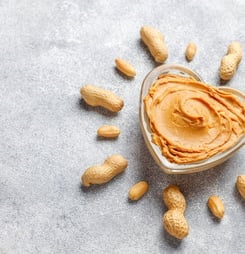
The filling can be as simple as peanut butter stirred with a pinch of salt, or it can lean closer to the candy’s texture by mixing in powdered sugar for a stiffer, sweeter center. Some people add crushed graham crackers or rice cereal for crunch, which can mimic that “snap” that makes a candy bar satisfying.
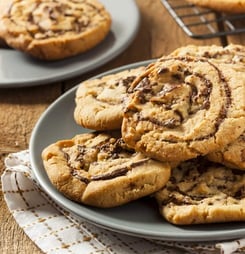
For bakers, a peanut butter cookie with a Reese’s center is an easy showstopper. The trick is to slightly underbake so the cookie stays tender, then press a mini cup into the warm center. The chocolate softens just enough to become gooey without completely losing its shape.
Another crowd-pleaser is “Reese’s-inspired” brownies: fold chopped cups or Reese’s Pieces into batter, then swirl peanut butter across the top before baking. The result is part brownie, part candy, and entirely hard to stop eating.
For no-bake options, try energy bites made from oats, peanut butter, a little honey or syrup, and chocolate chips. They are quick, portable, and feel a little more snack-like than dessert-like. Another easy win is a “Reese’s dip” for fruit, pretzels, or cookies.
Blend cream cheese, peanut butter, and powdered sugar, then top with mini chocolate chips and chopped cups. It becomes the centerpiece of a snack board and makes even plain apple slices feel like a special occasion.
A quick note for anyone cooking for a group: peanut allergies are common and can be severe. If sharing food, it helps to label ingredients clearly, keep peanut butter treats separated, and consider offering a peanut-free chocolate option as well. I Love Reese’s Day is about joy, and safe snacking keeps it that way.
Movie Marathon Magic
A Reese’s-themed movie night is a simple way to turn an ordinary evening into a playful event. The concept is straightforward: pick a lineup, gather a few different Reese’s varieties, and make the candy part of the “program,” not just an afterthought.
Build a snack spread that encourages sampling. Classic cups are the baseline, but mixing in minis, pieces, and different sizes changes the experience more than people expect. Minis are bite-sized and easy to share, while larger cups create a slower, more dramatic “unwrap and savor” moment.
If the group enjoys comparing flavors, set out a small tasting plate with labeled portions and let everyone vote on favorites based on texture, chocolate-to-peanut-butter ratio, and overall sweetness.
To keep it light and interactive, add a simple game: whenever a character eats onscreen, someone takes a bite. Or choose a theme like “whenever someone says ‘love,’ ‘sweet,’ or ‘crazy,’” and let the room decide what counts. The point is not strict rules, just a shared reason to laugh and reach for the candy.
Movie night also benefits from a little balance. Reese’s are rich, and pairing them with salty snacks like pretzels or popcorn can keep the sugar from feeling overwhelming. Some people like to serve a glass of milk or a dairy-free alternative for dipping and dunking.
Others go the “dessert theater” route with a warm brownie base, a chopped Reese’s topping, and a scoop of ice cream on the side. Either way, the candy stays in the spotlight, and the event feels intentional rather than accidental.
Sweet Art
Reese’s can double as art supplies, especially because the pieces come in different shapes and colors, and the cups stack surprisingly well. “Sweet art” is one of those ideas that sounds silly until the table gets quiet with concentration and everyone suddenly cares deeply about whether their chocolate tower will hold.
For younger artists or anyone who wants a low-pressure activity, start with a flat “canvas” like a plate or cutting board and create a mosaic. Reese’s Pieces work like edible tiles, and the color variety makes it possible to create stripes, patterns, and simple pictures. The cups can become borders, frames, or “structural supports” for designs that need height.
For a slightly more ambitious challenge, build a candy sculpture. Toothpicks can help stabilize stacks of mini cups, and a little melted chocolate can act like edible glue. The goal does not have to be realistic. Abstract candy art is still art, and it has the advantage of being delicious if it collapses.
Another option is edible “design challenges” that work well for groups: create the tallest free-standing Reese’s tower, the most symmetrical pattern, or the best candy portrait. Set a timer and let everyone work. Taking photos before the inevitable snacking begins adds to the fun, and it creates a little memory of the moment, even if the masterpiece disappears right afterward.
This is also a good place to practice thoughtful sharing. If multiple people are building, it helps to portion out candy in bowls to avoid the “materials mysteriously vanish” problem. Everyone can still snack, but the art has a fighting chance.
Spread the Joy
Reese’s are easy to gift because they are familiar, portable, and instantly recognizable. Sharing is one of the most natural ways to celebrate I Love Reese’s Day, and it can be as simple as sliding a mini cup across a desk or as elaborate as building a themed basket.
A Reese’s gift basket does not need to be expensive to feel fun. A small bag with a mix of minis and pieces, a handwritten note, and maybe a homemade treat like a peanut butter cup bark can feel personal and festive. For groups, a “Reese’s buffet” is a popular approach: put out bowls of different types, include napkins and small plates, and let people build their own snack mix.
For workplaces, classrooms, or shared spaces, the easiest way to keep it friendly is to offer individually wrapped items and include ingredient information nearby. Peanut butter is not a hidden ingredient in Reese’s, but clear labeling is still considered. If the goal is maximum inclusivity, adding a peanut-free chocolate option ensures that more people can participate in the spirit of the day.
Spreading the joy can also mean sharing recipes, swapping favorite ways to eat Reese’s, or hosting a small taste test. The candy becomes a conversation starter. People tend to have strong opinions about cups versus pieces, chilled versus room temperature, and “one big cup” versus “a handful of minis.” Those debates are half the fun.
Why Celebrate I Love Reese’s Day?
I Love Reese’s Day celebrates a combination that has become a shorthand for comfort snacking: the blend of creamy, salty peanut butter with sweet chocolate. For many fans, it is not just “a candy.” It is a very specific flavor and texture experience, and it tends to spark nostalgia. A Reese’s can remind someone of movie theaters, Halloween candy piles, road trip snacks, or that one friend who always has a secret stash.
The appeal also comes down to contrast. Chocolate melts quickly and coats the tongue; peanut butter brings body, salt, and a slow, rich finish. Together, they land in that sweet spot between dessert and snack. That balance is part of why Reese’s has remained popular across generations and why the brand has expanded into so many shapes and formats. The basic idea stays the same, but the eating experience changes with size, thickness, and texture.
This day permits people to lean into simple pleasure. It can be celebrated with a single cup enjoyed slowly, or it can turn into a whole menu of Reese’s-inspired treats. Either way, the “rules” are gentle. There is no perfect way to celebrate, which makes it accessible for busy schedules, different budgets, and different levels of culinary ambition.
The importance of I Love Reese’s Day also stretches beyond candy itself. Food traditions are often about connection, and a shared treat can be an easy way to create a moment of togetherness. Bringing a bowl of minis to a gathering, leaving a few pieces in a break room, or surprising a friend with their favorite variety is a small gesture that often lands like a big one. The candy becomes a tiny social event.
It also highlights how a brand can become part of everyday culture. Reese’s has a distinct identity and a very recognizable flavor profile, and that identity inspires playful behavior: taste tests, recipe mashups, themed desserts, and friendly arguments about the “best” form. I Love Reese’s Day taps into that energy and turns it into a communal excuse to enjoy something familiar.
I Love Reese’s Day Timeline
B. Reese creates peanut butter cups
Former Hershey employee Harry Burnett Reese begins making “penny” peanut butter cups in his Hershey, Pennsylvania, basement, launching the candy that would become Reese’s Peanut Butter Cups.
Reese’s Peanut Butter Cups become H. B. Reese’s flagship product
After early experiments with many candies, the Reese company phased out most other lines and focused on peanut butter cups, cementing the chocolate‑and‑peanut‑butter combination as its signature.
Hershey acquires H. B. Reese Candy Company
The Hershey Chocolate Corporation merged with the H. B. Reese Candy Company, bringing Reese’s Peanut Butter Cups fully into the Hershey family and setting the stage for national expansion.
Launch of Reese’s Pieces
Hershey introduced Reese’s Pieces, extending the chocolate and peanut butter brand into bite‑sized candy pieces and helping to popularize peanut butter candies beyond cups.
Reese’s Pieces featured in “E.T. the Extra-Terrestrial.”
Product placement in Steven Spielberg’s blockbuster “E.T.” propels Reese’s Pieces to widespread fame, illustrating the cultural power of the Reese’s brand in American pop culture.
Introduction of Reese’s miniatures and seasonal shapes
Hershey expands the Reese’s line with miniatures and holiday shapes, making the chocolate‑and‑peanut‑butter combo a staple in seasonal candy aisles and home baking.
Reese’s becomes the best-selling candy brand in the United States
Market research identifies Reese’s as the top-selling U.S. chocolate candy, reflecting decades of growth and the enduring popularity of peanut butter and chocolate together.
History of I Love Reese’s Day
I Love Reese’s Day traces back to a modern, fan-driven style of brand celebration. It was launched in 2010 by The Hershey Company as a way to spotlight Reese’s Peanut Butter Cups and the enthusiasm surrounding them.
A key part of that launch involved an online petition that drew significant support, with tens of thousands of fans signing to show they wanted an official day dedicated to Reese’s. The petition approach fit the moment: it made the celebration feel like it came from the audience, not just from a marketing calendar.
The candy at the center of the day has a longer and more personal story. Reese’s was created by Harry Burnett Reese, who had worked for Hershey. He began his own candy business in the early twentieth century and experimented with confections that could be made and sold efficiently. Those experiments eventually led to the combination that would define the brand: peanut butter and chocolate molded into a cup shape.
The peanut butter cup concept took off because it delivered bold flavor in a tidy format. It was easy to package, easy to carry, and easy to eat without utensils. That practicality matters in candy history. Many successful treats are not just tasty, they are convenient and consistent. A Reese’s cup offers a predictable experience: a chocolate shell, a peanut butter center, and a satisfying bite that does not require fuss.
Over time, Reese’s grew from a single signature product into a whole family of variations, but the core appeal stayed intact. The flavor pairing became iconic, and the name “Reese’s” started to stand for that specific chocolate-peanut butter hit. As the fan base expanded, so did the desire to celebrate it, which is where I Love Reese’s Day fits in. It is a nod to a candy that has moved beyond the checkout line and into tradition.
Now, fans observe I Love Reese’s Day by stocking up on favorites, sharing them with others, or turning the candy into something new in the kitchen. From its early development by H.B. Reese to its status as a widely recognized treat, Reese’s has earned a place in the snack world that is both classic and playful. I Love Reese’s Day simply gives that affection a name, along with a perfectly good excuse to enjoy another cup.
Surprising Facts About Porphyria You Should Know
Porphyria is a rare but complex group of disorders that affects how the body produces heme, a crucial component of red blood cells.
These conditions can impact the nervous system, skin, and internal organs in unexpected ways, often presenting symptoms that are difficult to detect or explain. Here are some important and eye-opening facts that highlight how porphyria works and why it matters.
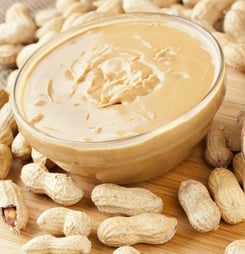
Peanut Butter Was Once Marketed as a Health Food
When peanut butter became popular in the early 20th century, it was promoted less as candy and more as a nutritious protein source for people who could not easily chew meat.
Nutrition reformers, including those influenced by John Harvey Kellogg’s work, encouraged peanut butter in school lunches and institutional diets, helping it become a mainstream American staple long before it was routinely paired with chocolate.
A Failed Candy Job Led H. B. Reese to His Famous Cup
Harry Burnett Reese originally worked at Milton Hershey’s dairy farm and later in Hershey’s chocolate factory, but he left to start his own candy business during the 1920s.
After experimenting with a variety of confections, he focused on a simple combination of sweetened peanut butter filling inside a molded milk chocolate shell, produced in his basement factory in Hershey, Pennsylvania, which eventually evolved into Reese’s Peanut Butter Cups.
Reese’s Became Part of Hershey in a Massive 1963 Deal
Although H. B. Reese had worked for Hershey, his company remained separate until decades after his death.
In 1963, the Hershey Chocolate Corporation acquired the H. B. Reese Candy Company in a stock deal that reportedly made Reese’s six sons major Hershey shareholders and turned the peanut butter cup into one of Hershey’s core power brands.
Reese’s Has Dominated U.S. Candy Rankings for Years
Reese’s Peanut Butter Cups routinely appear at or near the top of America’s best-selling candy lists.
Industry analyses have reported that Reese’s has held the number-one spot among U.S. chocolate brands by retail sales, reflecting both year-round demand and seasonal surges at Halloween and other holidays.
Flavor Chemistry Explains Why Chocolate and Peanut Butter Pair So Well
Food scientists note that chocolate and roasted peanuts share several aroma compounds created during browning reactions, which helps the flavors mesh instead of clash.
The fat in both ingredients also carries flavor molecules and softens texture, while the contrast between sweet chocolate and slightly salty, savory peanut butter activates a wider range of taste receptors, making the combination especially satisfying for many people.
Reese’s Pieces Got a Pop Culture Boost from “E.T.”
In the early 1980s, Hershey agreed to a promotional tie-in for a then-unknown film called “E.T. the Extra-Terrestrial,” which featured Reese’s Pieces as the candy used to lure the alien.
After the movie’s 1982 release, Hershey executives reported dramatic sales increases for Reese’s Pieces, and the product’s association with the film is still cited as a classic example of successful product placement.
Peanut Allergies Have Reshaped Candy Consumption Habits
The rise in diagnosed peanut allergies in children has significantly influenced how peanut-based candies are sold and shared, particularly in schools, airlines, and public events.
Public health guidance has led many institutions to restrict or label peanut-containing products more clearly, and major candy makers, including Hershey, publish detailed allergen statements and manufacturing information to help consumers manage risk.