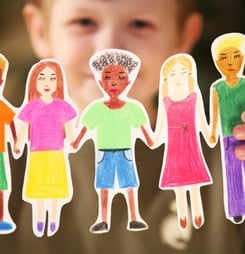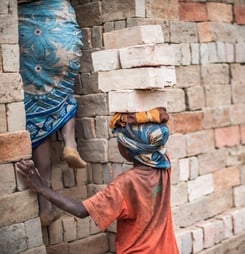

International Children’s Day is annually celebrated around the entire globe. The occasion is the best day to advocate for the wellness and rights of all children.
This day is especially important to child rights activism. It calls for all to reflect on the progress made in the name of children.
Yet, it reminds us of the continued fight for every child’s right to safety and education. Above all, it reminds us how all children have the right to a life free of discrimination or exploitation.
How to Celebrate International Children’s Day
Celebrating International Children’s Day can be both a joyous and meaningful occasion. It’s a day to revel in our younger generation’s innocence and potential and contribute positively to their growth and protection.
Here are some creative and inclusive ways to commemorate this special day:
Organize International Children’s Day Events
Bring the community together for a fun-filled day dedicated to children. Here are a few activities to consider:
- Hold outdoor games
- Have art-and-craft stations
- Invite local authors to staff storytelling corners.
These activities entertain and foster a sense of community and belonging among children.
Educational Workshops
Arrange workshops in schools or community centers. Workshops can focus on children’s rights. They can also reaffirm the importance of a quality education.
Interactive sessions with child development experts can provide valuable insights. These will also empower children with knowledge about their rights and potential.
Volunteer and Support
Contribute your time to local shelters, orphanages, or NGOs dedicated to children’s welfare. Engaging in activities like these:
- Reading to children
- Tutoring or helping with homework
- Playing
Even just talking with them can have a profound impact.
Promote Healthy Living
Organize a sports day or a yoga session for children. The day should focus on the importance of physical health and well-being. Nutritional workshops can also be a part of teaching children about healthy eating habits.
Artistic Expressions
Host a children’s art exhibition or a talent show. Encourage children to express themselves through various art forms. They may enjoy painting, singing, dancing, or storytelling. This boosts their confidence. But it also allows the community to celebrate and recognize their talents.
Global Connection
With technology, connect with children from around the world. Arrange virtual cultural exchanges. During these events, children can share stories and songs. If they feel up to it, they can also share experiences from their diverse backgrounds. This will help support global understanding and empathy.
Advocacy and Awareness
Use this day to speak up loudly for children’s rights. Organize awareness campaigns and seminars in person. Participate in social media initiatives highlighting issues like child labor, and education for all. Remind people about the fight against abuse.
Family Bonding
Encourage families to dedicate this day to doing activities that their children love. Be it a picnic in the park, a visit to a museum, or simply a movie night at home, the essence lies in spending quality time together and making children feel valued and loved.
International Children’s Day is more than just a reminder to mark on your calendar. Instead, it’s a call to action. It should also remind us of our responsibility toward the wellness and future of the world’s youngest citizens.
International Children’s Day Timeline
Factory Act limits child labor in Britain
The United Kingdom’s Factory Act of 1833 restricts the working hours of children and mandates schooling for young factory workers, becoming a landmark in modern child labor reform and influencing later protections worldwide.
International Labour Organization begins addressing child labor
The founding of the International Labour Organization includes a mandate to improve working conditions, and within a few years it adopts early conventions that restrict child labor and set minimum ages for work in industry.
League of Nations adopts the Geneva Declaration of the Rights of the Child
The League of Nations approves the Geneva Declaration, one of the first international documents to state that children have rights to food, shelter, education, and protection, laying groundwork for later global children’s rights instruments.
World Conference on Child Welfare convenes in Geneva
Delegates from dozens of countries meet in Geneva for the World Conference on Child Welfare, helping to internationalize concern for children’s health, education, and protection and inspiring broader child welfare cooperation.
UNICEF is established to aid children after World War II
The United Nations creates the United Nations International Children’s Emergency Fund (UNICEF) to provide emergency food, medicine, and support for children devastated by the war, later evolving into a permanent agency for children’s rights.
UN General Assembly adopts the Declaration of the Rights of the Child
The United Nations General Assembly unanimously proclaims a ten‑principle Declaration affirming children’s rights to education, protection from neglect and exploitation, and special care, strengthening the moral basis for global child advocacy.
Convention on the Rights of the Child is adopted
The UN General Assembly adopts the Convention on the Rights of the Child, a legally binding treaty defining civil, political, economic, social, and cultural rights for all children, which becomes the most widely ratified human rights treaty in history.
History of International Children’s Day
International Children’s Day dates back to the first half of the twentieth century. The event emerged in response to the use of child labor throughout much of the Industrial Revolution. Subsequent global conflicts followed that era and children faced widespread harm during World Wars I and II.
In particular, World War II caused extreme trauma. They were displaced from their homes and lost their parents and siblings. Many lost access to education and adequate health care. With adults fighting, Nazi Germany forced Eastern European and Jewish children aged 12 and up into labor.
The damage to children was not happening only on the European front. In the United States, the government forced entire families of Japanese Americans into internment camps. Many of those affected were second- and third-generation American-born citizens.
Several international forums and children’s rights groups worked together to call attention to the ongoing rights violations of children.
In 1857, Reverend Dr. Charles Leonard hosted an earlier iteration of Children’s Day, holding a special service for children in his church. This practice would evolve and gain traction. His efforts led to a wider recognition of the need to dedicate a day to children’s issues.
Progress toward declaring International Children’s Day made real headway in Geneva in 1925. Later, the Women’s International Democratic Federation called for a special day to advocate for children at their meeting in Moscow on November 4, 1949. The first day was to be celebrated June 1, 1950.
Another affirming step occurred in 1959 when the United Nations General Assembly adopted the Declaration of the Rights of the Child.
This document laid down fundamental rights to be universally safeguarded for children. This day has since become a symbol of the ongoing fight against abuse, neglect, and deprivation of basic rights.
International Children’s Day Facts
Children’s Rights Became Nearly Universal Law in Record Time
The UN Convention on the Rights of the Child, adopted in 1989, is the most widely ratified human rights treaty in history, with every UN member state except the United States having formally joined.
It transformed children from being seen mainly as passive recipients of care into legal rights holders, requiring governments to protect them from abuse, exploitation, and discrimination and to ensure education, health care, and participation in decisions affecting their lives.
Child Labor Has Fallen, but 160 Million Children Still Work
Global child labor has declined by roughly 38 percent since 2000, yet an estimated 160 million children, almost 1 in 10 worldwide, were still in child labor in 2020.
Nearly half of them work in hazardous conditions that risk their health and safety, and the majority are in agriculture, often in unpaid family work, highlighting how poverty and lack of quality schooling keep children trapped in labor.
Primary School Enrollment Has Surged but Learning Gaps Persist
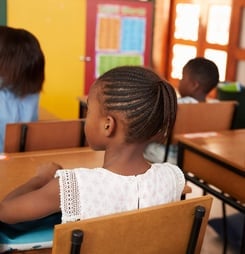
Since the early 2000s, global efforts have brought tens of millions more children into primary school, with net enrollment rates in low- and middle-income countries rising from around 80 percent to over 90 percent.
However, the World Bank estimates that about 70 percent of children in these countries still experience “learning poverty,” meaning they cannot read and understand a simple text by age 10, which undermines the promise that schooling will translate into real opportunities.
Child Mortality Has Plummeted in Just a Few Decades
Worldwide deaths of children under age 5 have fallen dramatically, from 12.6 million in 1990 to 4.9 million in 2022, largely due to vaccines, better nutrition, cleaner water, and improved care for newborns.
Even so, most of these deaths are from preventable or treatable causes such as pneumonia, diarrhea, malaria, and complications around birth, and they are concentrated in the poorest regions, especially sub-Saharan Africa.
Many Children Grow Up in Conflict Zones or on the Move
By 2022, more than 468 million children were living in conflict zones, and over 43 million children were forcibly displaced from their homes by war, persecution, or disasters.
These children face elevated risks of recruitment by armed groups, trafficking, interrupted education, and long-term psychological trauma, making protection, safe migration pathways, and inclusive schooling central to upholding their rights.
The Legal Idea of “Childhood” Is Relatively Recent
For much of history, many societies treated children as small adults who were expected to work from an early age, and formal legal protections were minimal.
Only in the late 19th and 20th centuries did many countries introduce compulsory schooling, age-of-employment limits, and juvenile courts, gradually defining childhood as a protected life stage focused on development, education, and play rather than labor.
Online Spaces Create New Child-Protection Challenges
As children’s access to the internet and smartphones has expanded, online risks such as cyberbullying, sexual exploitation, and misuse of personal data have grown, leading many countries to update child-protection laws for the digital age.
UNICEF and other agencies now emphasize children’s “digital rights,” balancing the need to shield them from harm with the need to support safe access to online learning, information, and expression.
International Children’s Day FAQs
You may also like

Have a Heart Day
Have a Heart Day is a special event that focuses on promoting the well-being and rights of First Nations children in Canada. At its core, it asks a simple question with a not-so-simple answer: what would it look like if every child could count on the same standard of care...
- Canada
- International
- United Kingdom
- and 1 more

International Day of the African Child
Discover the history and impact of International Day of the African Child, honoring Soweto’s youth and advocating education, rights, and brighter futures.
- Ethiopia
- Ghana
- Nigeria
- and 1 more

International Working Animal Day
Discover how International Working Animal Day honors working animals, raises awareness of their vital role, and promotes better welfare in vulnerable communities.
- China
- India
- United Kingdom
- and 1 more

Children’s Day in the UK
Children’s Day in the UK is a feel-good event that puts childhood front and center, not as a vague idea but as something that needs time, attention, and protection. It invites adults to celebrate what makes childhood wonderful, like play, curiosity, and imagination, while also taking a clear-eyed look at...
- United Kingdom
National days and holidays on June 1

Vivid Sydney
Vivid Sydney is a dazzling celebration that transforms the city into a vibrant playground of lights, music, and creativity. For weeks, iconic landmarks and urban spaces glow with stunning light installations and 3D projections, captivating both locals and tourists. This festival draws millions of visitors each year, offering an enchanting...
- Australia

Stand For Children Day
Stand For Children Day champions children’s rights, inspiring advocacy, volunteering, and community action to support education, health, and safety for every child.
- United States

National Billboard Day
Celebrate National Billboard Day by exploring, photographing, and creating billboards while honoring their artistic impact and vital role in outdoor advertising.
- United States

International Sheltie Day
Celebrate International Sheltie Day by honoring the Shetland Sheepdog’s intelligence, loyalty, and charm with fun activities, meetups, photos, and community giving.
- Canada
- United States
Seize Every Day
Join free for personalised recommendations, email reminders and exclusive guides. Never miss a day.