International Day of Innocent Children Victims of Aggression
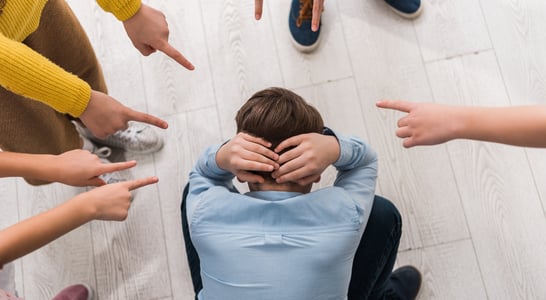
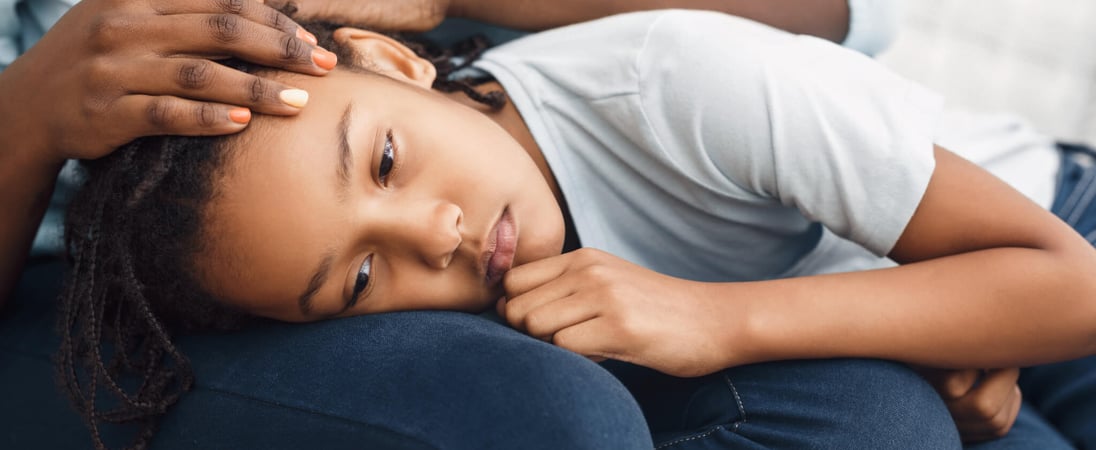
Some children wake up to laughter. Others wake up to gunfire. For too many, safety is just a dream. The International Day of Innocent Children Victims of Aggression exists because their suffering cannot be ignored. It’s about those tiny hands that have held nothing but fear, those bright eyes that have seen too much.
War, abuse, and cruelty steal childhoods, leaving scars no child should bear. This day calls on the world to listen, to see, and to act. Every child deserves love, protection, and a future filled with hope.
A playground should echo with giggles, not cries for help. A classroom should offer lessons, not trauma. Yet, in too many places, war and violence take away the simple joys of childhood. Some children lose families. Others lose homes. Too many lose their innocence before they even understand what it means.
This day reminds the world that behind every statistic is a real child, longing for kindness. They need more than sympathy. They need a world that fights for them, protects them, and refuses to let them suffer in silence.
How to Observe International Day Of Innocent Children Victims Of Aggression
Honoring the International Day of Innocent Children Victims of Aggression means recognizing their pain and standing up for their future.
Every small act of kindness, awareness, or advocacy can bring light to a child’s darkest days. This day isn’t just about remembering—it’s about taking action in ways that truly matter.
Learn and Share Stories
Understanding a child’s struggles begins with listening. Read real accounts of young lives affected by war, abuse, and violence.
Share their stories with family, friends, and online communities. A single conversation can open hearts and inspire change.
Support Organizations Offering Help
Many groups provide shelter, education, and medical care for children who have suffered. Research organizations that align with your values.
Donating, fundraising, or spreading the word about their work can help expand their reach. Even a small contribution can mean food, safety, or school for a child in need.
Use Your Voice for Change
Laws and policies shape the world children grow up in. Sign petitions, contact leaders, and speak out against child exploitation and violence.
Every voice matters, and collective action leads to stronger protections and better futures. Children should not have to fight for safety alone.
Create a Safe Space for Children
A simple gesture can remind children they are valued. Offer kindness, patience, and a listening ear to kids in your community. If you work with children, ensure their environment is supportive and free from harm. Every child deserves to feel secure and heard.
Reflect and Commit to Long-Term Action
Change doesn’t happen in a day. Take time to reflect on what more can be done beyond this observance. Whether through ongoing advocacy, volunteer work, or conscious efforts to protect children’s rights, long-term commitment makes a lasting impact.
A safer world for children begins with everyday choices.
History of International Day Of Innocent Children Victims Of Aggression
In 1982, the United Nations General Assembly held an emergency session on the situation in Palestine. Reports revealed that countless children in Palestine and Lebanon had suffered due to armed conflict. The level of violence shocked world leaders. Many felt a strong need to take action.
That same year, the UN established the International Day of Innocent Children Victims of Aggression. This observance recognizes the suffering of young lives caught in war, abuse, and violence.
While it began with a focus on Palestinian and Lebanese children, its meaning soon expanded. Today, it serves as a reminder of the struggles faced by children everywhere.
The day also reinforces global efforts to protect children’s rights. The UN continues working with governments and humanitarian organizations to create policies that keep young people safe.
0This includes laws against child labor, trafficking, and violence. Leaders worldwide use this observance to discuss ways to prevent harm and improve protections.
Beyond raising awareness, the day encourages action. Governments, communities, and individuals can help by supporting policies and initiatives that safeguard childhood. Every child deserves to grow up free from fear. Recognizing their struggles is the first step toward building a safer world.
Also on ...
View all holidays
National Cheese Day
Gather friends or family and host a cheese-tasting event. With everything from gouda to comté to brie, there’s sure to be something for everyone on Cheese Day.

National Hug Your Cat Day
Embrace your little bundle of furry joy and take some time to appreciate them. Of course, if they don’t want to be hugged, you may need some Band-Aids.

Global Running Day
Whether you need to get back in the habit or start a new one, take the opportunity to improve your health and well-being by going for a run. Plus, it’s free!

National Cognac Day
Made from wine grapes grown in a particular region of France, Cognac is actually a form of brandy. Host a tasting party and sit around in leather armchairs.
We think you may also like...