
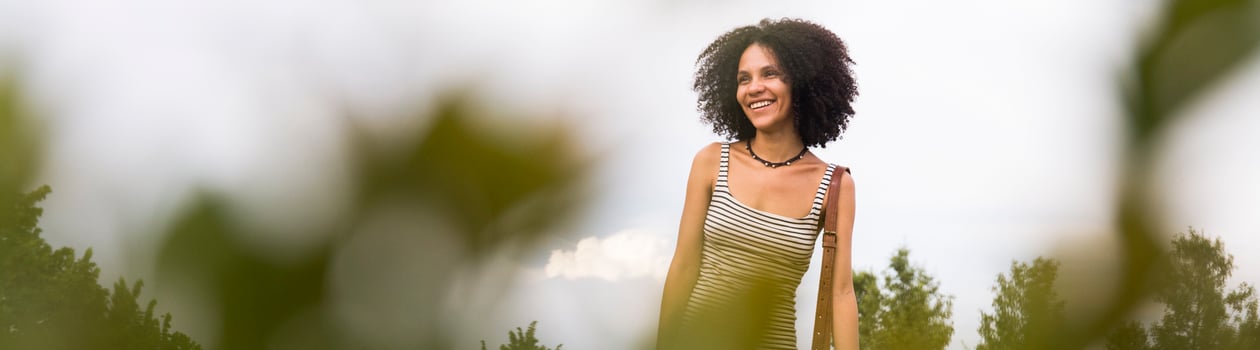
Also sometimes referred to as the International Day of Self Love, International Natural Day is part of the journey toward self acceptance and self love.
Falling the day before Valentine’s Day, which is a celebration of the romantic love of a couple, the symbolism lies in the fact that a person is only truly able to love someone else when they are able to love themselves!
International Natural Day Timeline
Aristotle Describes Self-Love (Philautia)
Aristotle distinguishes types of love and treats proper self-love as a virtue tied to moral character and well‑being, laying an early philosophical basis for healthy self-regard.
Maslow Places Self-Esteem in the Hierarchy of Needs
Psychologist Abraham Maslow identifies self-esteem and self-respect as key human needs that must be met before self-actualization, influencing later self-love and self-acceptance work.
Nathaniel Branden Publishes “The Psychology of Self-Esteem”
Branden’s book popularizes the concept of self-esteem in psychology and self-help, arguing that self-acceptance is essential for psychological health and effective living.
Brummer and Brummer Highlight Self-Concept in Adolescent Counseling
The book “Teaching and Counseling Adolescents” emphasizes self-concept and self-acceptance as central goals in counseling youth, shaping school-based approaches to self-esteem.
Carol Gilligan and Lyn Mikel Brown Examine Girls’ Self-Esteem
In “Meeting at the Crossroads,” Gilligan and Brown document how adolescent girls’ voices and self-esteem decline under social pressures, fueling concern about self-acceptance and identity.
National Education Goals Report Flags Low Student Self-Esteem
A U.S. education report links bullying, poor academic engagement, and risky behaviors with low self-esteem, supporting school counseling programs that foster self-acceptance and resilience.
“Body Positivity” Movement Gains Mainstream Visibility
By the early 2010s, activists and media popularize “body positivity,” challenging narrow beauty standards and promoting acceptance of natural bodies, appearances, and identities.
How to Celebrate International Natural Day
Get started celebrating International Natural Day with some of these ideas:
Go Natural!
Use the inspiration of International Natural Day to live that best life and be completely natural for the day. Skip the makeup and the hair straightener.
Don’t worry about if that lipstick is perfectly applied. Appear to the world in a natural manner that allows you to just be you and to be comfortable in your own skin.
Raise Awareness for International Natural Day
One amazing way to celebrate and support the day is to hold events at school, in youth centers or other community spaces to encourage people to be their natural selves.
Create a safe space where acceptance is the norm and people are free to talk about their own journeys and lives without judgment.
Those who feel that hosting an event might be too much can certainly participate in the day by letting friends know about International Natural Day, putting up flyers, sharing on social media and more.
See a Counselor
Part of Sanah Jivani’s story of self-harm is related to bullying because of the way she looked. Her healing story didn’t happen overnight but took some time and investment by getting help and being vulnerable with an adult counselor.
For those who are struggling with self-harm, negative behaviors, low self-esteem, bullying or other difficulties, it’s important to get help from someone who can act as a lifeline. Check with a school teacher or counselor, ask parents or call a hotline to get started on the healing journey.
History of International Natural Day
The founder of the day, Sanah Jivani, was inspired by a personal event to establish the day as well as the Love Your Natural Self Foundation.
A life-long battle with alopecia caused Jivani to struggle with her appearance during middle school and high school, particularly when she was bullied for wearing a wig and then began to engage in self-harm.
Jivani’s motivation to establish International Natural Day came through a desire to help other kids who have been through similar struggles with wanting to hide the way they look.
The Love Your Natural Self Foundation spread throughout hundreds of schools in the United States, encouraging kids to be themselves and love themselves for who they are.
Inspired by the foundation, International Natural Day began in 2011 as a day for young people all over the world to celebrate the freedom that comes from being natural.
This day is a testament to the courage it takes to stand up for yourself for who you are, as well as the potential growth that can come when a person is empowered to be themselves!
Facts About International Natural Day
Self-Compassion Can Reduce Self-Harm Risk
Longitudinal research indicates that higher levels of self-compassion and self-acceptance predict lower levels of self-harming thoughts and behaviors over time, especially in adolescents and young adults.
By shifting focus from harsh self-criticism to kindness toward oneself, self-compassion appears to buffer the impact of bullying, depression, and perfectionism on self-injury risk.
Appearance-Based Bullying Is Widespread Among Teens
Global data from UNESCO show that roughly one in three adolescents worldwide report being bullied, and appearance is consistently among the top reasons students say they are targeted.
In many school surveys, factors like weight, facial features, skin conditions, and hair differences are cited more often than academic performance or family income as triggers for victimization.
Bullying in Adolescence Is Tied to Long-Term Mental Health Problems
Studies in the United States and other countries have found that teens who are bullied are significantly more likely to experience anxiety, depression, and suicidal ideation both during adolescence and into adulthood.
Youth who are both bullies and victims (“bully-victims”) show some of the highest risks for self-harm and later mental health disorders, underscoring the importance of early intervention.
Self-Acceptance Is a Core Component of Psychological Well-Being
In influential models of well-being, such as Carol Ryff’s psychological well-being framework, self-acceptance is one of six foundational dimensions, alongside autonomy, personal growth, and positive relationships.
Research using this model shows that people with higher self-acceptance also tend to report fewer depressive symptoms and greater life satisfaction, even after accounting for income, education, and physical health.
Body Image Pressures Often Begin Before High School
Surveys of children and preteens have found that concerns about weight, skin, and other aspects of appearance can start as early as elementary school, particularly among girls.
Some large-scale studies report that by middle school, a majority of students have tried to change their appearance—through dieting, makeup, or hiding features—because of fear of judgment or teasing, which can erode self-esteem over time.
Positive Peer and Adult Support Protects Against the Effects of Bullying
Evidence from school-based studies shows that students who feel connected to at least one supportive adult and have close, accepting friends are less likely to develop severe emotional problems when they are bullied.
These social supports can reduce the odds of substance misuse, self-harm, and chronic absenteeism, even when bullying or appearance-based teasing is frequent.
International Natural Day FAQs

You may also like

National Making The First Move Day
Join founder Greshun De Bouse and take the pledge to prevent and end bullying and its effects. Make the first move in being kind to yourself and others.
- United States

Pink Shirt Day
Be the one who stands up for kindness and respect. Together, we can make a difference and create a world without bullying.
- Canada
- New Zealand
- United States

Anti-Bullying Day
Anti-Bullying Day is a vibrant call to action, inviting everyone to stand against bullying in all its forms. Celebrated on this day as designated by the United Nations, this day unites schools and communities worldwide. It encourages us to defend and support those affected by bullying, promoting a culture of respect...
- Australia

International Day of Pink
This day uses the color pink to raise awareness and fight against bullying, discrimination, homophobia, transphobia, and transmisogyny across the world.
- Australia
- Canada
- United Kingdom
- and 1 more
National days and holidays on February 13 2027

Ramadan
During this holy month, Muslims fast from sunrise to sunset, focusing on spiritual reflection and community. Ramadan is a time for self-improvement and bringing people together in celebration of faith.

Carnival of Brazil
Samba music, vibrant costumes, and non-stop dancing—this annual festival in Rio de Janeiro is the ultimate party experience you won't forget!
- Brazil

National Apology Day
A dark chapter of Australia's history where Indigenous children were taken from their families and adopted out to non-Indigenous families.
- Australia

Dream Your Sweet Day
Dream Your Sweet Day is a playful, romantic observance built around a simple idea: the anticipation can be just as meaningful as the big moment. Positioned as a warm-up to Valentine’s Day, it permits people to linger in the daydreamy part of romance, where plans are still forming, and everything...
- International
Seize Every Day
Join free for personalised recommendations, email reminders and exclusive guides. Never miss a day.