
National Chamoy Day honors a zesty Mexican treat that mixes sweet, spicy, sour, and salty tastes in one drizzle. It starts with dried fruit like apricot or mango, then adds lime and chili.
The result dances across your taste buds, making fresh fruit, snacks, and drinks more exciting. People gather to enjoy the bold flavors and share the fun of this sauce. It sparks joy in simple snacks and brings a splash of flavor to table conversations.
Beyond flavor, this day celebrates cultural exchange and creativity. Through its layered taste, chamoy reminds us of connections—its roots trace back to Chinese dried plums and evolved in Mexico.
The day encourages food lovers to try fresh fruit with a zing, and to appreciate how a single bottle can carry history and spice into everyday moments.
It invites people to connect, explore tastes, and celebrate a colorful twist on tradition.
National Chamoy Day Timeline
Asian Pickled Fruit Traditions Spread
Chinese and Japanese migrants carry salty, dried plum snacks like see mui and umeboshi across the Pacific, laying the groundwork for flavor profiles that resemble later chamoy.
Transpacific Trade Links Asia and New Spain
The Manila galleon route connects Asian ports with colonial Mexico, allowing preserved fruits and pickling techniques from China and the Philippines to enter Mexican markets and kitchens.
Japanese Immigration Brings Umeboshi Know‑How to Mexico
Japanese migrant Teikichi Iwadare arrives in Mexico, carrying knowledge of umeboshi, the salty pickled fruit that will later inspire a locally adapted product resembling chamoy.
Apricot “Umeboshi” Sold Under the Name Chamoy
In central Mexico, Iwadare reportedly produces an apricot-based version of umeboshi and markets it as “chamoy,” helping fix both the flavor and the new name in Mexican consumer culture.
Chamoy Enters Mass‑Market Snack Culture
Mexican companies begin bottling chamoy-style sauces and coating candies with the salty-sour-chili mix, turning what was once a niche preserved-fruit product into a staple of street snacks and corner shops.
Chamoy Becomes a Star of Frozen Treats and Drinks
Vendors popularize chamoyadas, mangonadas, and spicy candies dipped in chamoy, and bartenders start using the sauce on rims and in cocktails, cementing chamoy’s role in modern Mexican street food.
Global Spread of Chamoy‑Flavored Candies and Snacks
Chamoy-coated gummies, dried fruits, and nuts gain popularity in the United States and beyond, carried by Mexican and Mexican‑American entrepreneurs who bottle and ship the sweet‑sour‑spicy flavor worldwide.
How to Celebrate National Chamoy Day
Here are some fun ideas to celebrate National Chamoy Day:
Fruit Fiesta
Grab fresh fruit like mango, cucumber, pineapple, or watermelon. Drizzle chamoy sauce on each slice. Top with chili lime seasoning for an extra kick. It brightens simple snacks and makes colorful, playful plates.
Snack Mix Mash‑Up
Mix chips, popcorn, salty nuts, gummy candies and pretzels. Stir in chamoy until coated. Bake briefly for a crispy, tangy blend. Your friends will be surprised by the mix of textures and flavors.
Drink Rim Remix
Take a glass of juice, agua fresca or michelada. Wet the rim with lime, then dip in chamoy paste mixed with chili. Pour in your drink. The first sip surprises with a burst of sweet‑spicy edge.
Sandwich Upgrade
Spread chutney and mayonnaise on bread. Layer juicy tomato slices over top. Sprinkle cilantro or lime juice if you like. It adds a spicy zing to an ordinary sandwich.
Cherry Pick Party
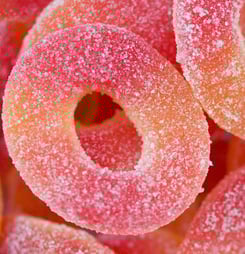
Buy or make chamoy‑flavored gummies and candies. Arrange them with fresh fruit on a platter. Let guests mix sweet and spicy treats at their leisure. It makes a colorful, playful dessert table.
Corn on the Cob Kick
Brush chamoy on grilled or boiled corn. Sprinkle with chili lime salt for crunch. Serve with lime wedges on the side. Every bite bursts with tang and heat.
History of National Chamoy Day
Chamoy is a bold, flavorful sauce made from dried fruit, chili, lime, and salt. It mixes sweet, spicy, sour, and salty tastes in one bite. The roots of chamoy stretch back centuries.
It first came to Mexico through trade with Asia. Sailors brought pickled plum snacks from China and Japan to the Americas. Over time, Mexicans turned these ideas into something new.
They made sauces and treats using local fruit, creating the chamoy we know today.
By the 1970s, Mexican candy companies started making chamoy products on a large scale. Sauces, lollipops, and gummies filled store shelves.
Chamoy grew popular in homes, markets, and street carts. It became a key part of many snacks and drinks.
In 2021, Pica Pica TX, a family-owned business in Texas, launched National Chamoy Day. They wanted to celebrate the flavor and its deep cultural ties. Their goal was to bring attention to chilaquiles’ journey and its role in Mexican-American food.
The day gained support online, especially among food lovers and small vendors. Since then, it has encouraged more people to try chamoy and enjoy its unique blend of flavors.
National Chamoy Day continues to grow as a way to share tradition through taste.
Facts About National Chamoy Day
Salted Plums From Asia Helped Shape Chamoy’s Flavor
Chamoy’s signature mix of salty, sour, and fruity notes can be traced to preserved stone fruits that traveled from East Asia into the Americas.
Chinese salted plums such as li hing mui and related pickled fruits were spread through trade and migration, and Mexican producers later adapted the idea using local fruits like apricot and mango, layering in chilies to create the modern condiment.
A Japanese Immigrant Helped Commercialize Chamoy in Mid‑Century Mexico
Historical research points to Japanese immigrant Teikichi Iwadare as one of the first large‑scale producers of a chamoy‑style product in Mexico.
In the 1950s he sold salted, pickled apricots inspired by Japanese umeboshi, marketing them under the name “chamoy” and later developing candy products that helped move the flavor from a pickled fruit into the broader Mexican snack market.
Chamoy Uses Brining Techniques Similar to Traditional Pickles
At its base, chamoy is made by soaking fruit in a strong salt solution, sometimes with vinegar, which draws out moisture by osmosis and concentrates flavor.
The dried fruit can be eaten as a snack on its own, while the intensely seasoned brine becomes the backbone of chamoy sauce, using the same preservation logic found in classic pickles and other cured foods.
The “Four Tastes in One” Experience Has a Clear Scientific Basis
The addictive quality of chamoy comes from a deliberate balance of basic taste sensations. Natural sugars in the fruit provide sweetness, lime or vinegar supply acidity, salt boosts overall flavor perception, and chili peppers trigger heat through capsaicin, which activates pain receptors.
Together they create a layered taste experience that food scientists recognize as especially compelling for snack foods.
Chamoy Helped Inspire a Whole Candy Category in Mexico
As chamoy flavor caught on, Mexican confectioners developed “dulces enchilados,” candies coated in chamoy‑style sauces and chili powders.
Gummy bears, tamarind balls, and even hard candies were drenched in the salty‑sour‑spicy mixture, turning a once simple preserved fruit into a defining profile for a wide range of modern Mexican sweets.
From Street Carts to Frozen Drinks, Chamoy Is a Street‑Food Staple
Across Mexico, chamoy migrated from preserved fruit jars into street snacks like sliced mango, cucumber, and jícama sold in cups, as well as onto frozen treats.
It is now a key ingredient in mangonadas, shaved ice, and micheladas, where it is drizzled over fruit, blended into syrups, or used as a sticky rim paste that gives drinks their bright red, spicy border.
Modern Recipes Blend Chamoy With Hibiscus and Tamarind
Home and commercial cooks increasingly tweak traditional chamoy with ingredients like dried hibiscus flowers and tamarind pulp.
Hibiscus adds floral, tannic notes and a deep red color, while tamarind contributes extra sourness and body, showing how the condiment continues to evolve while keeping its core balance of sweet, sour, salty, and spicy flavors.
National Chamoy Day FAQs