
National Day of the Gong begins with a single strike that fills the air with deep, rolling echoes. A gong isn’t just an instrument—it’s a force that vibrates through your chest, quieting the noise in your head.
Whether in meditation, music, or ceremony, its sound carries power, drawing people into the moment. No other instrument creates such a rich, immersive experience, blending something ancient with the present as the deep vibrations can calm a restless mind or awaken the senses in an instant!
Some feel peace in its lingering tones, while others are energized by its bold resonance. Either way, the gong speaks without words, reminding us to listen—not just with our ears, but with our whole selves.
National Day of the Gong Timeline
Gongs Depicted in Early Chinese Art
Painted and sculpted scenes from 6th‑century China show metal gongs in use, indicating the instrument was already established in East Asian ceremonial and musical life.
Gongs Enter Javanese Musical Tradition
Historical evidence shows gongs in use on Java by the 9th century, where they evolved into key instruments in gamelan ensembles across central Indonesia.
Gong Ageng Becomes the Heart of Javanese Gamelan
In Central Javanese courts, the largest gong, the gong ageng, comes to anchor musical cycles and gains spiritual importance as the “soul” of the gamelan ensemble.
Southeast Asia Emerges as a Core Gong‑Making Region
Archaeological and musicological research traces early gong culture to Southeast Asia, with centers in Burma, Vietnam, and Java, where bronze‑working traditions refined their sound and form.
Tam‑tam (Gong) Enters the Western Orchestra
Composers begin scoring parts for the flat, suspended tam‑tam in European orchestras, using its dark crash to heighten drama and atmosphere in symphonic works.
Paris Exposition Showcases Javanese Gamelan
Performances by Javanese gamelan ensembles at the Exposition Universelle in Paris expose European audiences and composers such as Claude Debussy to layered gong textures and new sonic possibilities.
Gongs Find a New Role in Sound Therapy and Meditation
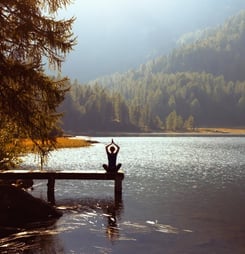
Gongs are increasingly used in “gong baths” and sound meditations, where sustained vibrations are promoted for relaxation and stress relief alongside singing bowls and other instruments.
How to Celebrate National Day of the Gong
Celebrating National Day of the Gong offers a chance to explore the rich sounds and cultural significance of this unique instrument. Here are some engaging ways to honor the day:
Learn to Play the Gong
Purchase a small gong and mallet to begin your musical journey. Explore online tutorials to master basic techniques. Discover the calming effects of creating resonant tones.
Attend a Live Performance
Seek out local events featuring gong performances. Experience firsthand the instrument’s versatility and depth. Live music connects communities through shared appreciation.
Participate in Gong Meditation
Join a gong meditation session at a nearby wellness center. Let the soothing vibrations guide you into relaxation. This practice can enhance mental clarity and peace.
Explore Gong History
Dive into the origins and evolution of the gong. Read articles or watch documentaries to understand its cultural impact. Learning enriches your appreciation of the instrument.
Share Your Experience
Document your gong-related activities through photos or videos. Share them on social media platforms to inspire others. Use hashtags like #NationalDayOfTheGong to join the conversation.
History of National Day of the Gong
National Day of the Gong celebrates the gong’s rich cultural significance and unique sounds. The gong, a percussion instrument, originated in East and Southeast Asia. It has been used in various ceremonies and musical performances for centuries.
In 2017, Gong to Go established National Day of the Gong. This organization aims to educate people about the gong’s transformative power as they highlight its impact on the mind, body, and spirit.
The holiday encourages individuals to explore the gong’s history and benefits. Activities include attending performances, participating in meditation sessions, and learning to play the instrument. These experiences showcase the gong’s versatility and profound effects.
Celebrating National Day of the Gong fosters appreciation for this ancient instrument. It also promotes cultural awareness and personal well-being. Engaging with the gong can lead to relaxation and a deeper connection to sound.
Through this annual observance, the gong continues to inspire and heal. Its resonant tones remind us of the power of music and tradition. National Day of the Gong invites everyone to experience these harmonious vibrations.