National Develop Alternative Vices Day is an invitation to trade the habits that wear people down for ones that build them up.
It takes a refreshingly realistic view of human nature: most people do not quit a vice by sheer willpower alone. They quit by replacing it with something else that still scratches the itch for comfort, novelty, reward, or stress relief.
At its heart, the day emphasizes personal growth through substitution. Instead of leaning on habits like smoking, heavy drinking, doomscrolling, overspending, or mindless snacking, participants are encouraged to experiment with “alternative vices,” activities that feel satisfying but support well-being rather than sabotage it.
It is also a chance to practice mindfulness without the moralizing. A vice is often a shortcut to a need, such as relaxation, stimulation, social connection, a sense of control, or a small hit of accomplishment. Developing an alternative vice means identifying that need and choosing a healthier route to meet it.
How to Celebrate National Develop Alternative Vices Day
Celebrating National Develop Alternative Vices Day can be both fun and meaningful. Trying new hobbies, volunteering, or spending time with loved ones can lead to positive changes that last.
The day is not about giving up enjoyment, but about finding balance and healthier ways to have fun. By exploring different interests, people can improve their lives and discover activities that enrich their everyday routines.
A helpful way to approach the day is to think like a designer of your own habits. A good replacement usually shares a few common traits:
- It is easy to begin. A replacement that needs special equipment, perfect timing, or expert skills often does not last.
- It offers a clear reward. That reward might be relaxation, laughter, physical energy, creative satisfaction, or a sense of progress.
- It fits the same moment. If the old habit happened after dinner or during stressful times, the new one should be available in that same period.
- It is “good enough,” not perfect. The goal is a better option, not a complete lifestyle makeover.
When a replacement feels appealing, it stops feeling like a punishment and starts becoming something people actually look forward to.
Try a New Hobby
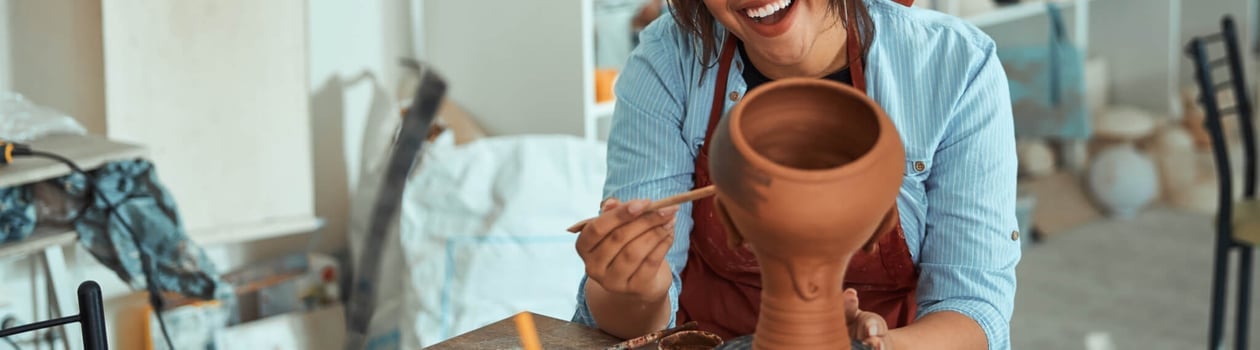
Unleash the inner artist by diving into a new hobby. Grab some paintbrushes and create a masterpiece.
Not into painting? Try cooking a new dish, learning an instrument, building a model kit, taking up photography, or trying a new craft. Hobbies work especially well as alternative vices because they create a satisfying feedback loop: time passes quickly, attention gets absorbed, and improvement shows up in small, motivating ways.
To make the swap more likely to stick, it helps to match the hobby to what the old vice provided:
– If the vice offered **stress relief**, try something soothing and repetitive, like knitting, coloring, gardening, or slow cooking.
– If it offered **a quick dopamine hit**, try a hobby with fast wins, like simple sketching exercises, beginner chords on a keyboard, or a short daily language lesson.
– If it offered **social connection**, try a hobby with built-in community, like a book club, recreational sports, or a casual class.
The goal is to replace a harmful habit with a fun activity that still feels like a treat. In other words, swap out the vice for something nice, and make it easy to repeat.
Host a Game Night
Gather friends and family for a game night. Pull out board games, cards, or even video games for a night of friendly competition.
Game nights are sneaky-good alternatives to vices because they combine distraction, laughter, and connection.
They also add structure to time that might otherwise drift into default habits. A few simple tweaks can make the night even more supportive of the “alternative vice” idea:
– Choose games with a **short learning curve** so everyone can jump in quickly.
– Set up a **snack table** with options that feel special without turning into a sugar crash. A mix of crunchy, savory, and fresh foods keeps it satisfying.
– Keep the vibe **light and flexible**. The point is to create a repeatable ritual, not an intense tournament.
For people trying to reduce screen time or online spending, a low-tech game night can be a particularly satisfying reset.
The best part is that the reward comes from shared moments, not from a habit that leaves someone feeling worse afterward.
Volunteer Your Time
Spend the day giving back to the community. Find a local charity or cause that needs help and volunteer.
Volunteering can surprisingly replace unhealthy habits: it changes the emotional landscape of the day.
Many vices thrive on boredom, loneliness, or the sense that nothing matters. Helping out flips that script by creating purpose and visible impact.
It also offers something that many people quietly crave: **a role**. Showing up for a shift, completing a task, or supporting others provides structure and accountability, two ingredients that make behavior change easier.
For an “alternative vice” approach, volunteering does not have to be grand. It can be as simple as:
– lending a hand with sorting, packing, or organizing
– checking on neighbors or offering practical help
– participating in community cleanups
– supporting animal care or fostering needs
This activity not only helps others but also delivers a genuine sense of satisfaction that can crowd out the urge to fall back on destructive habits.
Explore the Great Outdoors
Step outside for a refreshing change of pace. Whether it is a hike, a bike ride, or a simple walk through a park, being in nature offers an easy escape from everyday routines.
Spending time outdoors is a classic alternative vice because it directly influences mood and focus. Physical movement helps release built-up stress, natural light supports healthier sleep cycles, and new scenery breaks automatic habits.
For people who usually reach for a vice during breaks or after work, going outside creates a clear “pattern break” that makes a different choice feel possible.
To make it more appealing, add a playful twist:
- Turn a walk into a mini photo scavenger hunt: something red, something geometric, something that moves.
- Try a “one neighborhood over” exploration to add novelty without needing to travel far.
- Pair it with an audio treat, like music or a favorite podcast, to recreate the comfort of the old habit.
Enjoy the fresh air and the beauty of the outdoors while setting unhealthy vices aside, at least for a bit. With repetition, that “bit” can slowly turn into your new normal.
Pamper Yourself
Indulge in a spa day at home. Run a bubble bath, light some candles, and relax with soothing music. Treat yourself to a facial or a massage.
Self-care can be an especially smart replacement for vices that function as emotional coping tools. When stress, frustration, or fatigue are the real triggers, the body often needs soothing more than it needs a “treat” that backfires later.
To turn pampering into a true alternative vice, it helps to make it a ritual:
– Pick a consistent time window, like an evening wind-down.
– Create a sensory cue: a specific playlist, a warm beverage, a favorite lotion, or a clean towel warmed in a dryer.
– Keep it realistic: even ten minutes of intentional calm can compete with a more harmful habit.
Taking time for self-care is not indulgent in a negative sense. It is a way to meet a need directly, so the urge for less healthy habits does not have to carry all the emotional weight.
Get Creative in the Kitchen
Try making a healthy meal or baking a favorite treat. Play with new recipes and ingredients. Cooking can be calming and satisfying, offering a flavorful alternative to unhealthy snacking. Sharing what you make with friends or family adds an extra layer of enjoyment.
Food habits can be complicated because eating is essential, even though some eating patterns are not always helpful. The idea behind an “alternative vice” is to turn the kitchen into a space for creativity and mindful choices instead of constant grazing.
Here are a few simple ways to make cooking a stronger replacement:
- Pick recipes with hands-on steps (chopping, mixing, kneading) if the old habit was about keeping your hands busy.
- Use bold flavors (citrus, herbs, spices, crunchy textures) to feel satisfied without relying on lots of sugar or heavy portions.
- Create a signature snack plate: something crunchy, something creamy, something fresh. It feels indulgent while staying balanced.
Cooking also gives you a real, tangible reward at the end, which makes it especially powerful when replacing habits that once gave instant gratification.
National Develop Alternative Vices Day Timeline
Aristotle Describes Vice as Excess or Deficiency
In the Nicomachean Ethics, Aristotle frames moral character as a balance, with virtues as the “golden mean” and vices as harmful extremes of excess or deficiency, shaping later thinking about bad habits and self-control.
Christian Tradition Systematizes Vices and Virtues
Christian theologians, especially Gregory the Great and Thomas Aquinas, formalize lists of capital vices such as the seven deadly sins and their opposing virtues, embedding the idea of “vice” as a habitual pattern that can be replaced by better dispositions.
End of the English State Lottery Highlights Shifting Views on Vice
The British Parliament abolishes the long-running state lottery, reflecting reformers’ growing view of gambling as a corrupting vice rather than acceptable revenue, an example of how societies periodically redefine and restrict harmful habits.
The Founding of Alcoholics Anonymous Emphasizes Habit Change and Substitution
Alcoholics Anonymous was established in the United States, promoting abstinence from alcohol through mutual support, new routines, and spiritual practices, helping to recast compulsive drinking from a moral vice into a treatable, behavior-based disorder.
Term “Harm Reduction” Enters Public Health Discourse
Public health practitioners begin using “harm reduction” to describe strategies that lessen the negative consequences of drug and alcohol use, including safer-use practices and substitution, shifting focus from condemning vices to managing and reducing their damage.
First Nicotine Gum Approved as Smoking Substitution Aid
Nicorette, a form of nicotine gum, was introduced in Europe and later approved by the U.S. FDA, allowing smokers to obtain nicotine without inhaling smoke, a landmark in using safer substitute behaviors to manage and gradually replace harmful vices.
Habit-Formation Research Quantifies Time Needed to Build New Routines
A study by Phillippa Lally and colleagues finds that forming a new daily habit can take from about 18 to 254 days, supporting the idea that replacing entrenched vices with alternative behaviors is a gradual process rather than a quick fix.
History of National Develop Alternative Vices Day
National Develop Alternative Vices Day started in 2016 when it was founded to encourage people to find healthier and more constructive activities instead of harmful habits.
This day focuses on replacing vices such as smoking, excessive drinking, and unhealthy eating with positive and fulfilling alternatives.
The idea reflects a broader shift in how many people think about behavior change. Traditional advice often frames vice reduction as pure restriction: “stop doing the bad thing.”
While that can work for some, it often fails when the vice is serving a purpose, such as managing stress, easing social anxiety, coping with boredom, or filling unstructured time. The concept behind this observance is more practical: keep the role the vice played, but change the tool used to fill it.
That is why the phrase “alternative vices” is both funny and useful. It acknowledges that people enjoy having a little something to look forward to.
Rather than aiming for a joyless checklist of self-denial, the day encourages participants to choose “vices” that are lower risk and higher reward, like movement, creativity, connection, or learning.
Instead of indulging in harmful behaviors, individuals are encouraged to explore new hobbies and interests. This shift can improve physical health, such as better breathing, steadier energy, and improved sleep.
It can also support mental well-being by building confidence and reducing the cycle of guilt or regret that often follows destructive habits.
National Develop Alternative Vices Day has gained popularity as people recognize the benefits of adopting healthier habits.
Part of its appeal is that it is adaptable. One person might want to replace smoking breaks with short walks or breathing exercises. Another might be trying to reduce online shopping by building a “wishlist ritual” that delays purchases and adds a cooling-off period.
Someone else might want to cut back on alcohol by developing a robust menu of non-alcoholic drinks that still feel festive. The day’s message fits all of these because it focuses on replacement, not perfection.
Whether it’s picking up a new hobby, exercising, or spending more time in nature, the goal is to find joy in activities that contribute to a healthier lifestyle.
In a way, the observance also nudges people toward a basic truth of habit science: environments and routines matter. When someone builds a new routine that is genuinely enjoyable, the “old vice” loses some of its power.
Alternative vices can become identity-building, too. It is easier to maintain change when a person can say, “This is what I do now,” whether that means evening walks, weekend cooking projects, regular volunteering, or a standing game night.
Whether it’s taking up a new sport, learning an instrument, or engaging in creative arts, the emphasis is on finding joy and satisfaction in activities that contribute positively to one’s life. This approach helps people break free from negative patterns and build a healthier lifestyle.
Just as importantly, the day’s framing encourages compassion. Many vices are not random character flaws; they are solutions people found at some point.
National Develop Alternative Vices Day offers a gentler next step: keep the need, upgrade the method, and let small wins build momentum.
Facts About National Develop Alternative Vices Day
National Develop Alternative Vices Day is built around a simple but powerful idea: when people want to change a habit, replacing it works better than simply trying to quit. Instead of fighting cravings with willpower alone, the day highlights healthier, more constructive ways to satisfy the same needs for comfort, stimulation, stress relief, or routine. The facts below explore how habits form in the brain, why substitution is so effective, and how small, positive alternatives can make lasting change more realistic and sustainable.
Habit Replacement Works Better Than “Just Stopping”
Research summarized by the U.S. National Institutes of Health finds that people are more successful at breaking unhealthy habits when they deliberately substitute a new, positive behavior—such as going for a walk, calling a friend, or doing a hobby—at the very moment a craving or cue appears, rather than relying on willpower alone to simply “not do” the old behavior.
The Brain Runs Habits on “Autopilot”
Neuroscience research shows that repeated behaviors become encoded in circuits linking the prefrontal cortex with the basal ganglia, especially the dorsal striatum, forming a cue–routine–reward “habit loop” that can operate with little conscious thought. Over time, control shifts from goal-directed decision-making to this automatic system, which is why ingrained vices can feel so hard to change despite strong intentions.
Competing Responses Can Weaken Unwanted Behaviors
In behavior therapies such as habit reversal training, people are taught to perform a “competing response” that is physically incompatible with the unwanted behavior—for example, clenching fists or sitting on hands when about to bite nails or pull hair. Studies show that consistently pairing these alternative actions with old triggers can significantly reduce problem habits by rewiring cue–response associations.
Most Tobacco Users Want to Quit but Need Alternatives
The World Health Organization reports that about 1.2 billion people used tobacco in 2024—roughly one in five adults—and that most smokers say they would like to quit. Public health guidelines emphasize practical substitutions such as nicotine replacement, physical activity, and new daily routines to help manage withdrawal and cravings while a person transitions away from smoking.
Harm Reduction Has Replaced Pure Prohibition for Many “Vices”
Legal history in the United States shows that gambling, alcohol, and tobacco have cycled from being widely accepted to heavily criminalized, and then back to being legal but tightly regulated. Scholars describe this as a “social transformation of vice,” where modern policy often favors harm reduction—using measures like taxation, age limits, safer products, and controlled environments—over absolute bans that proved difficult to enforce.