
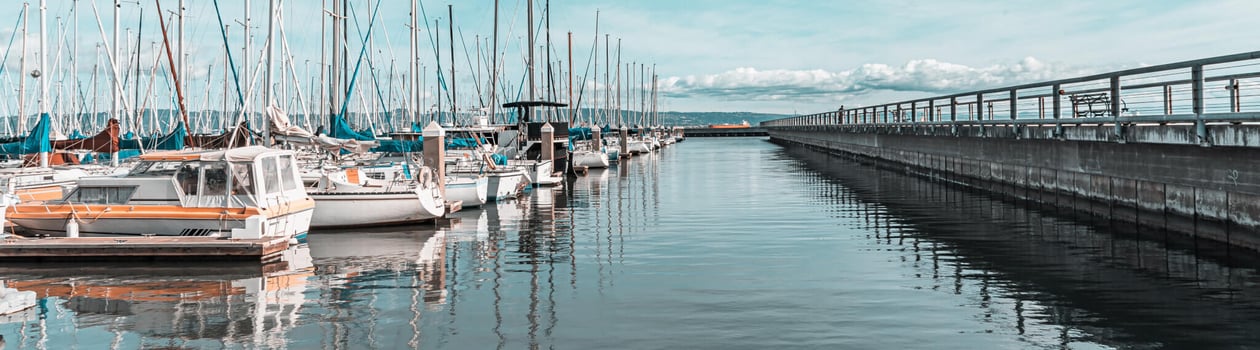
National Marina Day brings life to the docks. It celebrates the people who keep marinas running smoothly and the visitors who show up for simple waterfront fun. Even for someone who has never stepped onto a boat, a marina can feel like a small village built on planks and pilings, where the air smells faintly like sunscreen, fuel, and salt.
Boats sway gently, kids laugh along the piers, and breezes carry stories from one slip to the next. Lines creak, flags snap, and somebody is always hauling a cooler, polishing a railing, or asking where the restrooms are. It is a lively mix of practical work and unhurried wandering.
Marinas aren’t just places to store boats, they’re friendly spaces where strangers chat and days slow down. They serve as gateways to the water, introducing newcomers to boating, fishing, paddling, and basic seamanship. National Marina Day highlights a simple idea: the waterfront works best when it feels shared, safe, and welcoming.
Across the country, marinas open their gates to curious newcomers and longtime boaters alike. Visitors might find tours, safety talks, hands-on demos, and plenty of smiles. Some people come to fish. Others show up just to watch the waves roll in and imagine where each boat might be headed.
Staff members greet visitors like neighbors, and families wander along the docks, soaking in the view. The joy feels easy and natural, like the shoreline itself pulling up a chair beside you. Under the cheerful surface, the day also recognizes the behind-the-scenes expertise that keeps marinas functional: maintenance crews, dockhands, technicians, harbormasters, instructors, and office staff who solve problems before most people even notice them.
How to Celebrate National Marina Day
Here’s a simple way to celebrate National Marina Day. Try one or more of these creative ideas. The best celebrations feel part open house, part waterfront classroom, and part community hangout. Many marinas already have the scenery, the characters, and the soundtrack. All that’s needed is an invitation.
Dock Tour Fun
Invite people to walk the docks and see the boats up close. Staff guide quick tours. Visitors get familiar with marina life and feel welcome.
A good dock tour does more than point at shiny hulls. It explains what a slip is, why boats are tied the way they are, and how docks rise and fall with changing water levels. Guides can show the difference between sailboats and powerboats, explain why some boats have fenders hanging over the side, and demonstrate how a cleat hitch works without anyone having to memorize a complicated diagram.
It also helps to make tours comfortable for first-timers. Simple ground rules keep things safe: walk, don’t run; ask before stepping aboard; keep fingers away from pinch points; and always watch the gaps between dock and boat. When visitors understand the “why” behind marina etiquette, they relax and enjoy the experience instead of worrying they might do something wrong.
Skill Demo Stations
Set up booths where folks learn boating skills. Guests can try tying nautical knots, casting a fishing line, cleaning boats, or learning safety gear basics. Hands-on demos engage both kids and adults.
Skill stations work best when they are quick, tactile, and friendly. Knot-tying tables can offer a few practical favorites rather than a whole encyclopedia. A cleat hitch, a bowline, and a simple figure-eight knot give beginners skills they can actually use. Volunteers can keep short lengths of rope on hand so visitors can practice without leaning over the water.
Casting practice is another crowd-pleaser, especially when it’s set up as a game. Hula hoops or floating targets give people a safe way to learn the motion without snagging a neighbor. For paddling or sailing curious guests, a simple “parts of a paddle” or “how a sail works” demo turns mystery into confidence.
Maintenance demos can be surprisingly captivating. People love learning how boats stay clean, why bottom paint matters, and how to rinse equipment in ways that protect the water. A basic explanation of bilge care, trash containment, and spill prevention helps visitors see that good boating is not only about fun, it’s also about keeping waterways healthy.
Fishing or Boat Race Challenge
Create friendly competition with a fishing rodeo or boat parade. Winners get fun prizes. These events draw attention and spark smiles on the waterfront.
A fishing challenge can be tailored to the local scene and skill levels. Youth divisions, beginner-friendly categories, or catch-and-release formats keep it approachable. Measuring boards, clear rules, and a focus on safe handling help keep things fair. A short demonstration on how to remove a hook, support a fish, and release it gently can be part of the event rather than an afterthought.
Boat parades are perfect for marinas because they celebrate creativity without requiring anyone to be fast. Decorated boats, themed flags, and a slow cruise past the docks make a festive spectacle. Even people who don’t participate enjoy watching. If the marina has room and qualified supervision, a “slow race” or docking skills contest can be a fun way to highlight seamanship. Precision, not speed, is the real art on a crowded dock.
Community Booths & Treats
Invite local businesses to set up stalls. Offer food, drinks, or crafts near the docks. Raffles or small fundraisers can support marine conservation or marina programs.
A marina is often a meeting point between land-based life and on-the-water culture, so community booths fit naturally. Local outfitters can show basic gear for paddling, fishing, or snorkeling. Artists and craftspeople can bring nautical-themed work. Food vendors can keep menus simple and handheld, since nobody wants to juggle a plate and a rail at the same time.
Raffles and fundraisers work best when the purpose is clear. Some marinas raise money for waterway cleanups, habitat restoration, or youth boating education. Others support practical marina needs like loaner life jackets, safety signage, or community events that keep access inclusive. Clear signage about where funds go builds trust and encourages people to participate.
Safety Workshop & Gear Display
Offer safety talks led by qualified staff or Coast Guard auxiliary. Provide vessel check‑ups or life jacket fittings. Emphasize clean boating habits and show environmental care.
Safety programming is one of the most valuable parts of National Marina Day because it turns a fun visit into knowledge that can prevent emergencies later. A short talk can cover the basics without sounding like a lecture: life jackets that fit, the importance of float plans, what to do if someone falls overboard, and why weather awareness matters even on “quick” trips.
A gear display makes safety concrete. Visitors can see the difference between wearable life jackets and throwable devices, learn what a sound-producing device is, and understand why a first aid kit on a boat should be stocked differently than one at home. Demonstrations of VHF radio etiquette, basic distress signals, and how to read common channel markers can be done in plain language.
Clean boating habits deserve a spotlight, too. Marinas can show how pump-out stations work, explain proper trash disposal, and discuss spill response basics. Even small reminders, like not washing soap into the water or keeping fuel transfers tidy, reinforce the marina’s role as an environmental steward.
Music, Picnics, and Social Vibes
Arrange a casual dockside concert or group picnic. Live tunes and simple meals build friendly energy around the water’s edge.
Music and food turn a marina into a neighborhood block party with better scenery. The key is to keep the vibe relaxed and accessible. Acoustic sets, small bands, or community music groups fit naturally in waterfront spaces. If sound carries across the water, organizers can keep volume reasonable so the event feels welcoming rather than overwhelming.
Picnics can be as simple as inviting people to bring blankets and snacks to a designated area. For marinas that want to make it extra easy, a grill station or food truck lineup keeps the mood festive. Seating options matter, too. A few extra benches, shaded spots, and water refill stations make a long visit comfortable for all ages.
Social energy is not just entertainment. It’s also relationship-building. When visitors meet marina staff and local boaters in a friendly setting, the marina becomes less intimidating. That comfort can be the difference between someone admiring the water from afar and someone deciding to take a boating safety class, join a sailing program, or try a day on the water.
National Marina Day Timeline
World’s First Yacht Club Forms
The Water Club of the Harbour of Cork, later the Royal Cork Yacht Club, was founded in Ireland and became a model for organized yachting and harbor-based leisure facilities.
Early North American Boat Club Established
The Detroit Boat Club is founded, marking one of the earliest organized recreational boating clubs in the United States and helping set expectations for docks, storage, and social spaces.
Yacht Clubs Spread and Shape Recreational Harbors
Yacht clubs proliferate in Europe and North America, standardizing racing, mooring arrangements, and clubhouse amenities that later influence the concept of purpose-built marinas.
Outboard Motor Spurs Small‑Boat Boating
Mass-produced gasoline outboard motors appeared around 1910, letting ordinary people power small boats and increasing demand for local docking and service facilities.
Fiberglass Boats and the Postwar Boating Boom
The introduction of fiberglass boat construction in the 1940s, combined with rising postwar incomes, triggered a recreational boating boom that drove the construction of modern marinas across U.S. waterways.
Federal Boat Safety Act Shapes Marina Safety Standards
The Federal Boat Safety Act was signed into U.S. law, expanding Coast Guard authority over recreational boating safety and influencing the design and operation of marinas that serve these vessels.
Boating Infrastructure Grant Program Launches
The U.S. Fish and Wildlife Service created the Boating Infrastructure Grant program to help fund transient docks, fuel docks, and related facilities for larger recreational boats, supporting public marina development.
History of National Marina Day
National Marina Day began with a simple mission: help more people connect with marinas and see them as welcoming gateways to boating and waterfront recreation.
In early 2001, the Association of Marina Industries (AMI), an organization that supports marina operators and boating businesses, decided to create a nationwide event that would highlight the value of marinas. The idea was not only to spotlight boating as a pastime, but also to improve public understanding of what marinas do and who works there. Marinas are often judged by what visitors can see, slips, docks, and boats, but their real work includes safety planning, facility upkeep, customer education, and water-quality responsibility.
With that goal in mind, AMI launched the first National Marina Day later that same year. The early concept functioned as an open invitation: come down to the marina, meet the people, and learn what happens beyond the dock gate. The event encouraged marinas to operate like hosts rather than private storage yards, creating a welcoming atmosphere for visitors who might otherwise assume they did not belong.
That first celebration took place across the United States. Participating marinas opened their docks to visitors, hosted small events, offered tours, and held safety demonstrations. Families walked the piers, some for the first time, and discovered how marinas worked. Even for those without a boat, the day offered something tangible: a chance to learn basic waterfront etiquette, see how boating safety equipment works, and talk with people who spend their lives around water.
The day also helped marina teams share an important message about stewardship. Marinas sit at a crossroads of recreation and conservation. They manage waste, prevent and respond to spills, and teach boaters how to reduce their impact. By framing marina staff as caretakers rather than gatekeepers, National Marina Day encouraged visitors to see clean water and responsible boating as shared responsibilities.
After that first year, the idea caught on. More marinas joined in, and the event grew steadily as a recognizable industry-wide celebration. Over time, the scheduling evolved. What began as a single observance expanded into a more flexible season of participation, allowing marinas to choose dates and formats that matched local conditions, staffing, and community calendars. That flexibility made it easier for a wide range of marinas, from small family-run facilities to larger full-service operations, to take part.
As participation increased, marinas began teaming up with local groups. Boating clubs, conservation organizations, community leaders, and nearby businesses often joined forces to create bigger events with broader appeal. Some marinas added fishing clinics, beginner sailing sessions, or kids’ zones where young visitors could learn about marine life, practice knot-tying, or try a simple boat-themed craft. Others offered short rides on the water, supervised opportunities to step aboard different kinds of boats, or demonstrations of rescue equipment and safe docking.
The event’s identity also matured. Many marinas used the occasion to highlight charitable projects and community support, such as food drives, youth programs, or waterway cleanups. That community-minded approach fit naturally with the marina’s role as a waterfront hub. A well-run marina supports far more than boat owners. It supports local recreation, water access, tourism, education, and the everyday pleasure of spending time near the water.
National Marina Day continues to emphasize what marinas do best: bring people to the water in a way that feels friendly, safe, and responsible. Whether a visitor arrives with a captain’s license or simply a curiosity about what’s beyond the gangway, the day invites everyone to see marinas as places where learning, relaxation, and community all tie up at the same dock.
National Marina Day Facts
Hidden Economic Engine of the Waterfront
Recreational boating in the United States, which relies heavily on marinas for access and services, generates about 230 billion dollars in annual economic impact, supports roughly 812,000 jobs, and sustains more than 36,000 businesses, illustrating how docks and harbors quietly underpin local and regional economies.
How Modern Marinas Emerged from Working Ports
Dedicated pleasure-boat marinas are a 20th‑century development that grew out of older commercial harbors, as rising middle‑class leisure time and the spread of yachting created demand for basins designed specifically for small recreational craft instead of cargo or fishing fleets.
Marinas as Gateways for Coastal Tourism
Port-planning research describes marinas as key tourism hubs that often anchor waterfront redevelopment, attracting restaurants, hotels, and retail while offering berths, fuel, and repair services that make coastal towns more competitive as destinations for visiting boaters.
Pollution Risks Concentrated Around Docks
The U.S. Environmental Protection Agency notes that marina waters are especially vulnerable to contamination from fuel spills, solvent and paint residues, sewage discharges, and polluted stormwater runoff, which can degrade water quality and harm fish and shellfish habitat if not carefully managed.
Clean Marina Programs Go Beyond Legal Requirements
Many coastal states participate in voluntary “Clean Marina” initiatives that encourage marina operators to adopt best management practices for fuel handling, waste disposal, stormwater control, and habitat protection that often exceed regulatory requirements in order to safeguard local waterways.
Simple Operational Choices That Protect the Water
Industry guidance for sustainable marinas highlights practical steps such as installing pumpout stations, switching to non-toxic cleaning products, setting up recycling and used-oil collection, and using energy-efficient lighting and equipment to cut both pollution and operating costs.
Boaters Help Fund Conservation Through Their Fees
A 2022 analysis by the U.S. Fish and Wildlife Service found that motorized boating contributes substantially to conservation funding, since taxes and fees on fuel, gear, and registrations are channeled into programs that restore habitats, improve boat access, and support aquatic wildlife management nationwide.



You may also like
National Fishing and Boating Week
National Fishing and Boating Week is a special time each year that encourages everyone to explore the joys of fishing and boating. Celebrated annually, it's a perfect moment to get outdoors, enjoy the water, and perhaps catch some fish. It's a period packed with fun, relaxation, and learning for people...
- United States
National Women’s Fly Fishing Day
National Women’s Fly Fishing Day honors female anglers, building skills, confidence, and community through meet‑ups, mentorship, and river stewardship.
- United States
National Go Fishing Day
Celebrate National Go Fishing Day by enjoying peaceful time in nature, learning new angling skills, and bonding with family while reeling in your own catch.
- Australia
- Canada
- United Kingdom
- and 1 more
International Fisherman Day
International Fisherman Day honors people who make a living from the water, often starting work while most of the world is still asleep. It is a day for appreciating the skill, stamina, and steady nerves it takes to harvest seafood in conditions that can swing from calm to chaotic in...
- United States
National days and holidays on June 13

Vivid Sydney
Vivid Sydney is a dazzling celebration that transforms the city into a vibrant playground of lights, music, and creativity. For weeks, iconic landmarks and urban spaces glow with stunning light installations and 3D projections, captivating both locals and tourists. This festival draws millions of visitors each year, offering an enchanting...
- Australia

World Gin Day
Raise a glass to World Gin Day, celebrating juniper spirits with tastings, cocktail events, history, and creative ways to enjoy gin responsibly worldwide.
- Australia
- Canada
- United Kingdom
- and 1 more
Trooping the Colour
Discover the history, pageantry, and military precision of Trooping the Colour, the King’s Birthday Parade that honors the British monarch and armed forces.
- United Kingdom

Feast of St. Anthony
Discover the Feast of St. Anthony, honoring the beloved saint with blessed bread, prayer, charity, and community celebrations rooted in faith and hope.
- United States
Seize Every Day
Join free for personalised recommendations, email reminders and exclusive guides. Never miss a day.