

National Mascot Day celebrates the spirited characters that bring life and energy to favorite teams, schools, charities, and even businesses. A mascot might be a big-headed animal with perfect dance moves, a costumed character with a talent for slapstick comedy, or a familiar symbol that shows up wherever a crowd needs a boost. However they look, mascots specialize in one thing: turning “regular event” into “something people will remember.”
They embody the essence of their organizations, creating a lively atmosphere that unites fans. Whether it’s a tiger prowling the sidelines or a bearcat dancing in the stands, mascots captivate audiences of all ages.
They permit people to be a little louder, a little prouder, and a lot more playful. In spaces where strangers might otherwise sit side by side quietly, a mascot becomes a friendly shared reference point, the living logo that gets everyone cheering in the same direction.
Beyond entertainment, mascots play a vital role in community engagement. They visit schools, hospitals, and local events, spreading joy and fostering a sense of unity. Their presence transcends the boundaries of sports, becoming symbols of encouragement and positivity.
A mascot can make a serious fundraiser feel welcoming, help nervous kids relax at a school assembly, or lend a sense of ceremony to a community celebration simply by showing up and giving enthusiastic high-fives.
On National Mascot Day, these characters and the performers who bring them to life get their moment in the spotlight, acknowledging their contribution to shared experiences and memories. It is also a chance to notice how much skill goes into what looks effortless: the timing, the nonverbal storytelling, the physical stamina, and the ability to read a crowd without ever saying a word.
How to Celebrate National Mascot Day
Celebrating National Mascot Day offers a chance to honor the lively characters that add excitement to favorite teams and events. It can be as simple as sharing a memory or as ambitious as organizing a full community gathering. The best celebrations keep the spotlight on what mascots do best: bringing people together and making everyone feel included. Here are some engaging ways to join the festivities:
Host a Mascot Parade
Organize a local parade featuring various mascots from community organizations. A great mascot parade does not need floats or complicated logistics. It can be a short walk through a community center, a lap around a school gym, or a route at a local fair.
To make it genuinely fun for attendees, mix movement with moments to pause. Build in “photo corners” where mascots can pose, wave, and do short bits. Include a few simple crowd activities like a call-and-response cheer, a short dance-along, or a “best mascot strut” moment where each character gets a few seconds to show off.
If the parade includes different groups, it helps to set expectations ahead of time. Establish basic conduct guidelines for mascots and helpers, choose a meeting spot for performers to cool down and hydrate, and assign volunteers to walk alongside each mascot. That extra support keeps the event safer, smoother, and more enjoyable for performers and the public alike.
Attend a Live Game
Experience the thrill of a live sporting event where mascots entertain the crowd. Watching a mascot in person is different from seeing highlight clips. In the stands, people can catch the small details: the way a mascot works an entire section, how it turns a tiny moment into a crowd reaction, and how it uses timing to redirect attention when the action on the field slows down.
For an extra layer of appreciation, focus on the performance craft. Many mascots communicate only through gestures, posture, and comedic “mime logic.” A quick head tilt can signal surprise. A slow, dramatic slump can turn a missed shot into a punchline. A perfectly timed celebration with the home crowd can amplify the emotional peaks of a game.
If the venue allows it, fans can also stop by a designated meet-and-greet area. A good mascot interaction is short, friendly, and respectful, especially for children who may feel excited or a little wary. A wave, a high-five, a quick pose, and a clear path for the next person in line keeps everyone smiling.
Share on Social Media
Post photos or stories of favorite mascots on social media platforms. Use relevant hashtags to connect with fellow fans and celebrate the day collectively.
To make a post more meaningful than a simple snapshot, highlight what the mascot represents. Share a short story about a moment that made someone laugh, a time a mascot helped break the ice for a shy kid, or a memory tied to a big win. If the mascot performer is known and publicly credited by the organization, consider offering a kind shout-out to the performer’s work, too.
Communities can also use social media for a mini “mascot appreciation wall.” Invite people to submit drawings, old photos, or favorite mascot moments. That kind of collection builds a shared scrapbook feel and reminds everyone that mascots are part of a community’s identity, not just background entertainment.
Visit Local Schools
Arrange for mascots to visit local schools, spreading joy among students. These visits can boost school spirit and provide memorable experiences for children.
A mascot appearance can do more than pump up a pep rally. Schools can pair the fun with a positive message, keeping it age-appropriate and simple. Mascots are great for short themes like kindness, teamwork, reading encouragement, or being a good sport.
Because mascots communicate mostly through actions, a brief “skit” works well: the mascot tries something the wrong way, the students react, and the mascot learns the right way with help.
For a smoother visit, it helps to plan the environment. Give the mascot a clear entrance route, limit surprise grabs or crowding, and provide a quick break area. Younger children can be sensitive to large costumes, so a slower approach and friendly waves can make the experience welcoming rather than overwhelming.
Create Mascot Art
Encourage community members to craft their own mascot-themed artwork. This creative activity allows individuals to express their appreciation and showcase local talent.
Mascot art can be playful or surprisingly thoughtful. People can draw a classic team character, design an imaginary mascot for a local club, or reimagine a familiar mascot in a new style. For groups, consider a collaborative mural made from individual pages, each one featuring a mascot doing an act of community spirit like helping a neighbor, cheering someone on, or showing good sportsmanship.
Art activities also create an easy entry point for people who do not follow sports. Mascots exist far beyond stadiums. Libraries, youth programs, small businesses, and community campaigns often use characters to communicate a friendly identity.
Designing a mascot becomes a lesson in visual storytelling: what colors signal energy, what shapes feel approachable, and what expression captures the “personality” of a place.
National Mascot Day Timeline
“La mascotte” Popularizes the Word “Mascot”
Edmond Audran’s opéra comique “La mascotte” premieres in Paris and turns the French word “mascotte,” meaning a bringer of luck, into a widely known term that soon enters English as “mascot.” [1]
“Chic” and the First Reported Baseball Mascot
An 1883 issue of The Sporting Life, cited in later histories, describes a boy nicknamed Chic who carries bats and runs errands for a baseball team, regarded as a good‑luck “mascot” and helping link the term to sports. [1]
Handsome Dan Becomes Yale’s Bulldog Mascot
Yale student Andrew Graves buys a bulldog for about five dollars from a New Haven blacksmith around 1889; the dog, named Handsome Dan, becomes one of the earliest documented live animal mascots in American college athletics. [1]
Creation of Penn State’s Nittany Lion Mascot
During a baseball trip to Princeton, Penn State student Joe Mason coined the “Nittany Lion” as his school’s symbol, drawing on nearby Mount Nittany and a campus lion statue, helping establish one of the classic college mascots. [1]
Rise of Costumed Team Mascots
In the 1960s, teams such as the New York Mets and Ohio State University introduced costumed characters like Mr. Met and Brutus Buckeye, marking a shift from live animals and informal helpers to modern, full‑body mascot suits. [1]
The San Diego Chicken Redefines Stadium Entertainment
Radio intern Ted Giannoulas first appears in a chicken suit at a San Diego Padres game in 1974; his energetic “San Diego Chicken” act helps convince professional teams that mascots can be star entertainers and major fan draws. [1]
Phillie Phanatic Debuts as a Modern Sports Icon
The Philadelphia Phillies unveiled the Phillie Phanatic in 1978, designed by Bonnie Erickson and Wayde Harrison, and the fuzzy green character quickly became a template for the humorous, highly branded costumed mascots seen across sports. [1]
History of National Mascot Day
National Mascot Day honors the spirited figures that bring life to sports teams, schools, and organizations. Long before mascots were expected to dance, photobomb, and lead chants, they were closely tied to the idea of luck. The word “mascot” traces back to the French term “mascotte,” used for a lucky charm or talisman.
The term gained wider popularity in the late 19th century, helped along by the comic opera *La Mascotte* by composer Edmond Audran, which premiered in 1880. The plot centers on a character whose presence brings good fortune, and the title helped cement “mascotte” in popular language as a symbol of luck.
That notion of luck carried neatly into sports. Teams and fans have always looked for rituals and symbols that make competition feel a little less unpredictable. Early mascots were not necessarily fuzzy costumed characters. They could be objects, animals, or people associated with a run of good results, and once the connection was made, the “mascot” often became part of the routine.
In the 1880s, documented examples show how quickly the idea took hold. A well-known story from baseball history involves a boy nicknamed Chic, who became associated with an 1883 professional team as a good-luck figure.
Accounts describe players treating him as a charm, and his presence became part of the team’s narrative that season. Whether or not he was the first example in all of baseball, Chic is one of the earliest clearly recorded cases of a “mascot” in the sports sense: a person believed to influence the mood and fortune of a team.
From those beginnings, mascots evolved from simple symbols of luck to dynamic performers who engage and entertain audiences. Several forces pushed that evolution. Growing crowds meant bigger venues and a greater need for visible, repeatable entertainment that could reach the cheap seats as well as the front row.
Advancements in costume design made it possible to create characters with oversized features, bold colors, and recognizable silhouettes. Media and merchandising also played a role, since a character that looks great in person can also appear on posters, foam fingers, trading cards, and digital graphics.
The modern mascot is often expected to do far more than stand and wave. Many organizations treat mascots as part of their brand identity, with performance guidelines that protect the character’s personality.
The mascot’s “voice” might be silent, but the character still has a consistent style: brave, goofy, mischievous, friendly, or proudly over-the-top. That consistency is what turns a costume into a recognizable figure people connect with year after year.
National Mascot Day, as an observance, is widely used as a moment to appreciate mascots as cultural symbols and as real work performed behind the scenes.
While different sources offer varying details about when the day began as a named celebration, the purpose is clear and widely shared: to recognize how mascots energize events, build community spirit, and create a welcoming bridge between an organization and the public.
Importantly, honoring mascots also means noticing the people inside the costumes. Mascot performance can be physically demanding: limited visibility, heavy headpieces, warm materials, and the expectation to stay animated for long stretches.
Performers rely on body language, improvisation, and crowd awareness to keep interactions fun and appropriate. Many also learn practical skills that never show up in photos, such as safe movement in crowded spaces, quick costume handling, and nonverbal cues with assistants or event staff.
The community role of mascots has expanded right alongside their entertainment role. Appearances at schools, children’s hospitals, charity walks, and community celebrations show that mascots are often deployed as goodwill ambassadors.
In those settings, the character can make an organization feel approachable and supportive. A mascot can walk into a room and, without saying a word, shift the mood toward “you’re welcome here.”
At the same time, the broader history of mascots includes changing expectations and occasional debate about what a mascot should represent. Over the decades, many communities have reconsidered symbols that feel outdated or insensitive, and some organizations have updated or retired mascots to better match modern values.
That ongoing evolution underscores a key point: mascots are not just costumes. They are shorthand for identity, and identity is something communities take seriously.
National Mascot Day ultimately highlights a small, delightful truth about public life: people love symbols with personality. A mascot is a moving, dancing reminder that belonging can be joyful, and that sometimes the fastest way to unite a crowd is a friendly character doing an exaggerated victory wiggle at exactly the right moment.
National Mascot Day
From Lucky Charm to Brand Icon
The word “mascot” comes from the French “mascotte,” meaning a lucky charm, and only later came to mean an animal or character representing a group.
In 1880, Edmond Audran’s comic opera “La Mascotte,” about a farm girl who brings good fortune, was a hit across Europe and helped push the term into everyday use.
Within a few years, English speakers were calling boys, animals, and eventually costumed characters “mascots,” blending the old idea of a talisman with the newer role of a public symbol.
Early Sports Mascots Were People and Pets, Not Costumes
Long before today’s oversized characters, late 19th‑century sports “mascots” were typically clubhouse boys or live animals that teams believed brought good luck.
Newspaper reports from the 1880s describe a boy nicknamed “Chic” serving as a baseball team’s talisman and even a goat being called a “mascotte” for another club, showing how the term first attached to real individuals and creatures before evolving into the costumed performers fans know today.
Puppetry and TV Helped Create the Modern Costumed Mascot
The familiar furry, big‑headed mascots seen at games owe a surprising debt to mid‑20th‑century American puppetry and children’s television.
Designers have traced the look and construction of modern mascot suits to techniques popularized by creators like Jim Henson and Sid and Marty Krofft, whose oversized, full‑body puppet characters showed that performers inside costumes could move, emote, and interact convincingly with live audiences.
Sports teams soon borrowed this aesthetic to turn flat logos into three‑dimensional entertainers.
Mascots Can Act as Powerful “Memory Anchors” for Brands
Marketing researchers and practitioners have found that mascots work partly because people process them like familiar characters, not just logos.
Studies summarized by branding agencies and marketing academics show that when a mascot is distinctive, attractive, and easy to relate to, it becomes a “memory anchor” that helps consumers recognize and recall a brand more quickly and feel warmer toward events or products associated with it.
Neuroscience Studies Show the Brain Treats Mascots as Special Characters
Consumer‑neuroscience research presented at the European Marketing Academy has examined how people’s brains respond to brand mascots specifically.
Using measures of brain activity, researchers found that consumers recognize mascots as distinct brand characters with their own mental “profile,” triggering patterns of activation tied to recognition and engagement rather than just generic logo processing, which supports the idea that mascots can forge unusually strong mental connections with brands.
Native‑Themed Mascots Are Linked to Psychological Harm for Native Youth
A large body of social‑science research has shown that Native American sports mascots are not just harmless fun for Indigenous communities.
Studies summarized by psychologists and Native organizations find that exposure to Native‑themed mascots lowers Native youths’ self‑esteem and sense of community worth, narrows the future achievements they can imagine for themselves, and increases negative feelings such as stress and depression, prompting professional groups like the American Psychological Association to call for retiring such mascots.
Brand Mascots Skew Heavily Male and Often Reinforce Stereotypes
A 2024 report from the Geena Davis Institute on Gender in Media analyzed dozens of commercial mascots and found that male characters outnumber female mascots roughly two to one, with female figures more likely to be sexualized and shown as less commanding.
The same study reported that White characters are vastly overrepresented compared with other racial and ethnic groups, suggesting that the mascots children and adults see every day often mirror and reinforce broader gender and racial imbalances in media.
National Mascot Day FAQs
How do mascots influence fan loyalty and the atmosphere at games?
Mascots can increase fan loyalty by acting as a friendly, recognizable symbol that fans associate with positive emotions and shared experiences.
Marketing and psychology writers note that people naturally respond to anthropomorphic characters, and that the excitement, humor, and crowd interaction provided by mascots help fans feel more connected to a team or brand.
This emotional connection can make spectators more engaged, more likely to attend events, and more inclined to support the organization over time. [1]
Why do companies and teams invest in brand mascots instead of relying only on logos?
Brand mascots give an organization a “personality” that a static logo cannot provide. Marketing analyses explain that characters can smile, move, and interact with audiences, which helps people remember and emotionally relate to a brand.
Studies of brand mascots show that this kind of character-based storytelling improves brand recall, encourages long‑term customer relationships, and can make complex products feel more approachable to families and children. [1]
What kind of training do professional mascot performers typically receive?
Professional mascot performers are usually trained in several specific skills rather than just being handed a costume.
Industry guides describe training in physical conditioning to cope with heavy, insulated suits, plus dance, nonverbal acting, and improvisation to entertain crowds without speaking.
Performers also rehearse how to move safely with limited vision, how to read a crowd, and how to stay “in character” at all times while visible, which helps protect the illusion and the organization’s reputation. [1]
Are mascot jobs physically demanding or risky for the performer?
Mascot work is more physically demanding than many spectators realize.
Professional resources note that suits can be heavy, restrict airflow, and trap heat, which increases the risk of fatigue and overheating if breaks and hydration are not managed. Limited visibility and bulky footwear can also raise the chance of falls without careful practice.
Because of these risks, training materials stress conditioning, staged rehearsal in partial costume, and clear safety routines to reduce strain on the performer.
Why do many mascots stay silent and avoid removing their costume in public?
Mascot etiquette guidelines emphasize that the character should feel “real” to the audience, especially to children.
To preserve that illusion, professional tip sheets advise performers not to speak, not to smoke, eat, or drink in costume, and not to remove any part of the suit where the public can see them.
Trainers also recommend avoiding situations like entering or leaving restrooms in the view of crowds.
These rules help keep the focus on the character rather than the person inside and protect the organization’s image. [1]
Why is the use of Native American imagery as mascots considered harmful by many experts?
Researchers and Indigenous organizations argue that Native-themed mascots do not “honor” Native peoples but instead reduce real communities to caricatures and stereotypes.
University and museum resources explain that turning Native people into mascots is demeaning and contributes to a long history of erasing Native cultures while profiting from their images.
Peer‑reviewed studies also describe Native mascots as a form of objectification that treats Native identities as products for schools and fans, which can reinforce prejudice and misinformation.
What psychological effects can stereotypical Native mascots have on Native youth?
Psychological research summarized by advocacy and academic sources finds that exposure to stereotypical Native mascots can harm Native students’ sense of self and belonging.
Studies report that such images can lower self‑esteem and achievement goals, and make young people feel that their culture is devalued or invisible.
This evidence was influential in professional bodies and educators calling for the retirement of Native-themed mascots in schools and sports.

You may also like
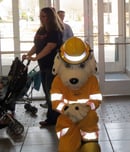
Safety Pup Day
Safety Pup Day is a fun and educational event focused on teaching children how to stay safe. Through interactive activities, kids learn important safety tips. The day features a lovable dog mascot, Safety Pup, which makes learning about safety more enjoyable and memorable for children. Safety Pup Day also involves parents...
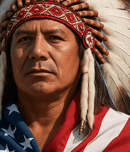
American Indian Citizenship Day
Explore the history and impact of American Indian Citizenship Day, honoring Native rights, identity, and ongoing struggles for equality, respect, and recognition.

National Bulldogs Are Beautiful Day
Shower your bulldog with love and affection, meet other bulldog owners, and post pictures of your best friend to prove to everyone that Bulldogs are Beautiful.
- Australia
- Canada
- United Kingdom
- and 1 more
National Donald Duck Day
Celebrate National Donald Duck Day by honoring Disney’s fiery, lovable duck with cartoons, stories, costumes, and memories that capture his timeless charm.
National days and holidays on June 17
National Apple Strudel Day
Celebrate National Apple Strudel Day by savoring flaky pastry, sweet spiced apples, and Austrian tradition, with tips to bake, taste, and enjoy this classic dessert.

National Thank a Teacher Day
Celebrate National Thank a Teacher Day by honoring teachers and school staff with gratitude, messages, and nominations that recognize their vital impact.
Bunker Hill Day
Discover the history and meaning of Bunker Hill Day, honoring courage, community, and the Revolutionary War battle that helped shape American identity.

World Day to Combat Desertification and Drought
Discover the World Day to Combat Desertification and Drought, raising awareness on land degradation, water scarcity, and sustainable solutions for a healthier planet.
Seize Every Day
Join free for personalised recommendations, email reminders and exclusive guides. Never miss a day.