National Recreational Sports and Fitness Day
Elevating well-being and joy in active pursuits — embracing vitality through diverse, invigorating activities that harmonize mind and body.
National Recreational Sports and Fitness Day is a cheerful reminder that movement does not have to come with a scoreboard, a tryout, or a lifetime supply of matching uniforms.
It celebrates the kind of activity that fits into real life: pick-up games, intramurals, group fitness classes, a walk-and-talk with a friend, or any other way people choose to get their bodies moving and their spirits a little lighter.
History of National Recreational Sports and Fitness Day
National Recreational Sports and Fitness Day is closely tied to the growth of organized recreation, especially on college and university campuses, where “play for everyone” became a serious idea with lasting impact.
Long before recreation centers became social hubs with climbing walls and spin studios, schools were experimenting with a simple concept: students who were not varsity athletes still deserved structured opportunities to be active, compete, and belong.
The background of this day can be traced back to the early 1900s, when Ohio State University and the University of Michigan began their intramural sports departments.
That early intramural spirit emphasized participation over prestige. Instead of reserving athletics for a small group of elite players, intramurals offered a place for beginners, casual athletes, and students who simply wanted a reason to leave the library.
The concept was practical as well as playful: regular activity supports health, helps manage stress, and builds community in a way that lectures alone rarely can.
Intramural sports also changed what “sports culture” could look like. A campus could have plenty of competitive energy without requiring varsity-level commitment.
Students could play basketball without traveling across states, join a bowling league without being recruited, or learn a new sport with friends who were just as inexperienced. That broadened definition of who “gets to be an athlete” set the stage for a larger movement in recreation and wellness.
Another important event occurred in 1950 when the National Intramural and Recreational Sports Association (often shortened to NIRSA today) was founded.
On February 22 of that year, Dr. William Wasson, an African American scholar, brought together intramural leaders to establish what began as the National Intramural Association.
This founding meeting took place at Dillard University and involved a group of intramural professionals representing Historically Black Colleges and Universities, reflecting an important leadership story within collegiate recreation.
Dr. Wasson’s role is central to understanding why the day matters. Recreational sports can look casual on the surface, but building programs that are safe, inclusive, and sustainable takes organization and expertise.
By creating a professional association, those early leaders made it easier to share standards, training, programming ideas, and a common mission: helping more people participate in the movement for health, enjoyment, and connection.
Over time, the association grew and evolved, eventually becoming known as NIRSA and expanding its reach across hundreds of campuses.
Today it includes thousands of members and supports a wide range of recreation and wellness work, from intramural leagues and sport clubs to fitness programming, outdoor recreation, aquatics, informal recreation spaces, and facility operations.
The common thread is access: not just access to equipment or buildings, but access to the feeling that movement belongs to everyone.
This history paved the way for broader recognition of recreational sports as a meaningful part of education and lifelong well-being. National Recreational Sports and Fitness Day, also called “National Rec Day” for short, is celebrated in connection with that founding date.
It highlights the positive benefits that come from involvement with recreational sports and fitness activities, including physical health, emotional balance, and mental well-being.
The day also points to a truth that often gets overlooked: recreational sports are not simply “less serious” sports. They can be deeply formative.
A person might learn teamwork during a low-stakes kickball season, discover a love for swimming in a beginner lane, or find a supportive community through weekly group workouts. Recreational spaces can serve as social anchors, especially for people who are new to an area or trying to build friendships.
While the tradition is strongly associated with campus recreation, the idea travels easily beyond universities. Community centers, local leagues, workplace wellness groups, and informal neighborhood teams all reflect the same philosophy.
The goal is not to turn everyone into a top performer. The goal is to normalize movement as part of everyday life, whether someone’s version of exercise is a competitive match or a gentle class that ends with a deep breath and a laugh.
Many schools and organizations mark the day with open houses, themed events, beginner-friendly classes, and friendly competitions designed to bring new people through the doors.
It is a celebration of recreation as a public good: healthier bodies, healthier minds, stronger communities, and more places where people feel they can show up exactly as they are.
How to Celebrate National Recreational Sports and Fitness Day
Celebrating National Recreational Sports and Fitness Day does not require being “sporty” in the traditional sense. The point is participation, not perfection. A good celebration feels welcoming and flexible and just structured enough to make it easy to start.
Get Active with Recreation, Sports and Fitness
At the heart of National Recreational Sports and Fitness Day is a simple idea: choosing to move in ways that feel doable and enjoyable. Recreational sports are designed for real lives and real schedules, which means the most effective activity is often the one people genuinely want to keep doing.
On college and university campuses, intramural sports are a go-to option. These programs usually run for short seasons, keep the rules straightforward, and focus on enjoyment rather than intense training. That balance makes them appealing for anyone who wants a bit of competition without the pressure of a long-term commitment.
Common offerings include basketball, soccer, volleyball, and softball, alongside more relaxed or unconventional choices like dodgeball, pickleball, flag football, or table tennis.
Group fitness classes offer another accessible route. Many recreation centers provide sessions for different experience levels, from strength and cycling to dance cardio, yoga, mobility, and high-intensity workouts. Classes can be especially helpful for people who feel uncertain about gym routines. With the structure already planned, participants can focus on moving well and feeling comfortable.
Outdoor activities count too, and for many, they are the most appealing way to stay active. Hiking, casual cycling, beginner climbing sessions, or guided nature walks combine physical benefits with mental refreshment. When movement feels playful and happens outside, it often feels less like a task and more like time well spent.
For those not connected to a campus, there are still plenty of ways to take part:
- Join a local recreational league. Many communities offer adult and youth leagues in sports like indoor soccer, basketball, softball, and volleyball, often welcoming beginners.
- Try a drop-in session. Community centers and gyms frequently allow one-time classes or day passes, making it easy to sample something new without commitment.
- Organize a small tournament with friends, family, or coworkers. Ping-pong brackets, cornhole games, or short relay challenges can get people moving with minimal setup.
- Make activity social. Movement is easier to maintain when it doubles as connection, whether that’s walking with a friend, playing soccer at the park, or meeting weekly for pickleball.
Recreational fitness goes far beyond traditional sports. It includes swimming, skating, dancing at home, practicing basic martial arts, following a beginner strength plan, or doing mobility work that supports everyday comfort. The best programs adapt to where people are, including those returning from injury, starting fresh, or seeking low-impact options.
A thoughtful approach helps keep things enjoyable. Simple habits like warming up, wearing appropriate shoes, staying hydrated, and listening to the body can make a big difference. Recreational activity is meant to feel good, and comfort is part of that goal.
The day is also a great excuse to try a beginner version of something that feels intimidating. Many people think they need to be fit before joining a class or league, but recreational programs are often built for learning as you go. A first swim lesson, an introductory weight-room session, or a relaxed tennis rally can spark a habit that lasts well beyond the celebration.
Grab Some Rec Day Gear
Participation is the main event, but a little gear can help mark the occasion, especially for groups encouraging wider involvement. For campuses affiliated with NIRSA, Rec Day shirts are often used by recreation departments and intramural teams to build visibility and a sense of belonging.
Matching shirts may seem minor, but they help programs feel more welcoming and cohesive. They signal that recreational activity is part of everyday campus culture, not just something reserved for varsity athletes. When a recreation space fills with people wearing the same theme, it sends a clear message that movement is for everyone.
Gear does not have to be purchased to be meaningful. Many groups create their own simple traditions:
- Wearing a shared color to represent a team or activity.
- Making homemade bib numbers for fun runs, stair challenges, or relay events.
- Handing out stickers or wristbands to recognize those who try something new.
- Setting up a “How do you rec?” board where participants can share their favorite ways to move.
Ultimately, the most useful gear is whatever makes movement easier and more comfortable. Supportive footwear, a well-used water bottle, a resistance band in a backpack, or gloves for outdoor activities can turn a one-day event into an ongoing habit. Because recreational sports thrive on ease and accessibility, small supports often have the biggest impact.
National Recreational Sports and Fitness Day celebrates the idea that fitness is not exclusive. It belongs to anyone willing to play, move, learn, and enjoy the process. Whether it’s an intramural final or an informal game that winds down at sunset, recreational movement shows that staying active can be both healthy and genuinely fun.
National Recreational Sports and Fitness Day FAQs
How are recreational sports different from competitive or varsity sports?
Recreational sports focus on enjoyment, health, and social connection rather than winning or elite performance. They usually have flexible rules, inclusive participation, and lower time and cost commitments, which makes them accessible to people of varied abilities and ages.
In contrast, varsity or high-performance sports typically involve formal selection, intensive training, and performance goals such as championships or rankings. [1]
What health benefits do people typically gain from regular participation in recreational sports and fitness activities?
Research shows that regular participation in community or campus recreational sports improves cardiovascular fitness, muscle strength, and weight management, while also reducing risks of conditions such as heart disease and type 2 diabetes.
Recreational activity is also linked with lower stress, better mood, reduced symptoms of anxiety and depression, and stronger social support networks, which together contribute to overall quality of life.
How much physical activity do adults and children need each week, and how can recreational sports help meet those guidelines?
Guidelines from health authorities such as the U.S. Centers for Disease Control and Prevention recommend that adults get at least 150 to 300 minutes of moderate-intensity aerobic activity each week plus muscle-strengthening activity on 2 or more days, while children and adolescents should be active for at least 60 minutes per day, mostly at moderate or vigorous intensity.
Recreational sports such as pickup soccer, community basketball leagues, swimming, or active games at a park can count toward both the aerobic and muscle-strengthening recommendations when they raise the heart rate and work major muscle groups.
What role do campus recreation and intramural programs play in student success at colleges and universities?
Campus recreation and intramural programs are designed to support student well-being by providing structured and informal ways to be active, connect socially, and manage stress.
Studies of college recreation users indicate that students who participate in campus recreation often report higher satisfaction with their university experience, a greater sense of belonging, and better stress management, factors that are associated with persistence and academic success.
Many institutions view recreation facilities as part of their student retention and wellness strategies.
Is recreational exercise effective if it is done in short sessions instead of long workouts?
Evidence suggests that adults can accumulate activity in bouts of any length and still gain health benefits, as long as the total time reaches the recommended weekly amount and the intensity is at least moderate.
Short sessions, such as a 10-minute walk between classes, a quick game of table tennis, or a short pickup game after wor,k can add up over the day and week to improve fitness and reduce health risks.
How inclusive are modern recreational sports programs for people with different abilities or backgrounds?
Many recreation and campus programs now intentionally design activities, equipment, and policies to be inclusive of people with disabilities, diverse body types, cultural backgrounds, and varying fitness levels.
This can include adaptive equipment, modified rules, non-gendered leagues, financial assistance, and beginner-friendly sessions, which align with professional guidelines from organizations like NIRSA that emphasize access and equity in campus recreation. [2]
Can recreational sports reduce stress and improve mental health for students and working adults?
Engaging in recreational sports and regular physical activity triggers physiological responses such as the release of endorphins and improvements in sleep, which are associated with reduced stress and better mood.
Population studies consistently link regular moderate physical activity with lower risk of depression and anxiety, and many colleges and workplaces use recreational programs as part of broader mental health and wellness initiatives. [3]
Also on ...
View all holidays
National Margarita Day
Transport yourself to a sunny beach with this delicious, refreshing drink that perfectly blends sweet and sour flavors. Cheers!

Single Tasking Day
Ever notice how tackling one thing at a time feels like cruising down an open road instead of gridlocked traffic?
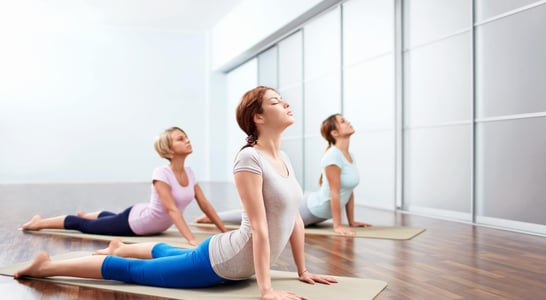
World Yoga Day
Twist, stretch, breathe in and out, feel the stress melt away, feel the joy flowing in — journey towards a better version of yourself.
We think you may also like...
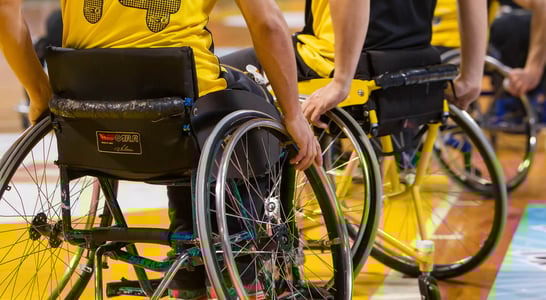
Superhuman Day
Learn more about the Superhumans of the Paralympic Games and beyond through the documentary “We’re the Superhumans”, and support the Paralympics.
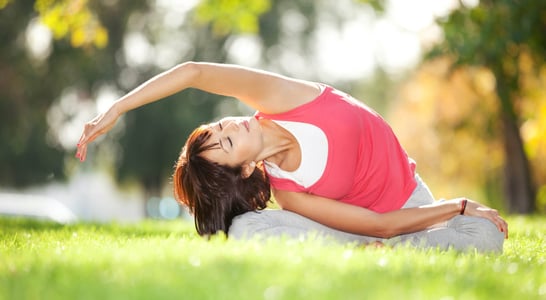
International Yoga Day
Yoga benefits both your mental and physical health, and can be done just about anywhere. Sign up for a class, or perhaps find a Youtube tutorial to get started.
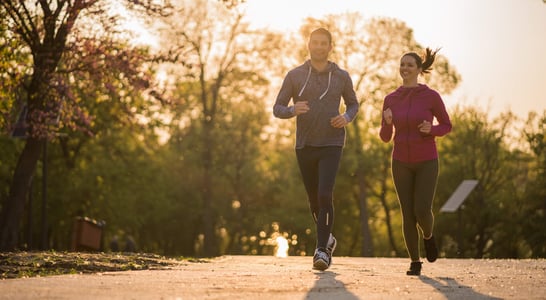
National Exercise Day
Engaging in physical activity invigorates the body, fostering vitality and well-being with each rhythmic movement and breath.