

National Tapioca Day celebrates the chewy pearls made from cassava starch and the many other forms tapioca takes once it leaves the root and enters the kitchen. Cassava grows in warm climates and, with a bit of washing, grinding, and settling, turns into a clean, mild starch that cooks up silky, springy, or delightfully bouncy depending on how it’s used.
People enjoy tapioca in classic puddings and in bubble tea, where it creates that fun, squishy texture that turns sipping into a snack. The day is a good excuse to notice how a humble starch can become the star of everything from cozy desserts to street-food style crepes.
Tapioca also gets attention for being versatile and friendly to different diets. It’s naturally gluten-free and grain-free, and in its most refined form it’s easy to digest for many people. Nutritionally, tapioca is mostly carbohydrate, so it’s better thought of as an energy ingredient and a texture tool than a vitamin powerhouse. That’s part of its charm: it doesn’t fight other flavors, it supports them.
Celebrating this ingredient brings a quiet hero into everyday meals. Whether it shows up as glossy pearls in a drink, a tender pudding, or a crisp-edged pancake, tapioca finds a way to surprise people who assume “starch” has to be boring.
How to Celebrate National Tapioca Day
Here are some fun and tasty ways to honor National Tapioca Day:
Host a Bubble Tea Break
Enjoy homemade bubble tea using chewy tapioca pearls, sometimes called boba. For a good texture, it helps to think of pearls like pasta: they need plenty of boiling water and an early stir so they don’t glue themselves together.
Brew a strong tea so it can stand up to milk and sweetness. Black tea is classic, but jasmine, oolong, or even a caffeine-free herbal tea can work. While the tea cools, cook the pearls until they’re bouncy and mostly translucent. Many pearls float before they’re truly done, so waiting for that translucent look in the center is usually what delivers the best chew.
After cooking, drain the pearls and toss them in a simple syrup, honey, or brown sugar syrup. This step is more than sweetness. It keeps the pearls from sticking and helps them stay pleasantly soft. Assemble the drink with tea, milk or a non-dairy alternative, ice if desired, and a wide straw. The result is a snack-drink hybrid that turns an ordinary break into something a little theatrical.
Whip Up a Classic Pudding
Craft a smooth tapioca pudding with milk, sugar, and small pearls. It’s a simple dessert, but it rewards patience. Small pearls need time to hydrate and then gently simmer so they swell without turning the whole pot into a scorch zone.
A reliable approach is low heat, frequent stirring, and a watchful eye near the end. As the pearls cook, they change from chalky white dots to glossy, translucent beads suspended in a thickened custard-like base. Some versions use eggs for extra richness, creating a pudding that feels halfway between custard and porridge in the best way.
Flavoring can stay traditional with vanilla and a pinch of salt, or go playful with citrus zest, cinnamon, cardamom, or a spoonful of cocoa. Layer it in clear glasses for a pretty effect, top with fruit, toasted coconut, or shaved chocolate, and let it chill until it sets into that unmistakable spoonable comfort.
Feel Adventurous with Crepes
Try light tapioca crepes filled with sweet or savory ingredients. In several parts of Brazil, hydrated tapioca starch is turned into a quick pan “crepe” (often called tapioca or beiju) without any complicated batter. The starch is moistened until it becomes damp and clumpy, then sifted into an even layer in a hot skillet. The granules heat, gelatinize, and fuse into a flexible round that can be folded around fillings.
The texture is a big part of the appeal: soft and slightly chewy with delicate crispness at the edges if the pan runs hot. It’s naturally gluten-free and makes a handy wrap for almost anything.
For savory fillings, try cheese with herbs, eggs with sautéed vegetables, or shredded chicken with a tangy sauce. For sweet fillings, think sliced banana with cinnamon, coconut with sweetened condensed milk, or berries with yogurt. Because tapioca itself is mild, bold fillings and bright toppings tend to shine.
Explore a Red‑Wine Dessert
Make a warm tapioca treat by cooking pearls in red wine with sugar. Served gently chilled or slightly warm, this dessert leans into tapioca’s talent for turning liquids into something plush and spoonable.
The method is similar to pudding, just with a different base. Simmer pearls in a mix of red wine, water, and sugar until they turn translucent and the liquid becomes glossy. Spices like cinnamon, clove, orange peel, or star anise can add depth, and a squeeze of citrus at the end can keep the sweetness from feeling heavy.
This style of dessert is a reminder that tapioca isn’t limited to milk-based comfort food. It can also play the part of a modern dinner-party finale, especially when topped with whipped cream, fresh fruit, or a spoonful of thick yogurt.
Bake Pancakes or Bread
Use tapioca flour (also called tapioca starch) to mix pancakes or bake bread. In gluten-free baking, tapioca is often used for lift and chew. It can help baked goods feel less crumbly and more springy, especially when paired with other gluten-free flours.
In pancakes or waffles, tapioca can add a crisp edge and a tender interior. In bread, it can contribute to that satisfying pull that’s sometimes missing from gluten-free loaves. It’s also useful as a thickener in pie fillings, sauces, and gravies because it creates a glossy finish and tends to thicken quickly.
For a simple celebration, swap a portion of regular flour for tapioca starch in a favorite recipe, or choose a recipe designed around it. Serve the results warm with fruit, butter, soup, or a drizzle of syrup, and enjoy the way a nearly flavorless ingredient can still dramatically improve texture.
History of National Tapioca Day
Tapioca’s story starts long before it appeared as pearls in a dessert cup. It comes from cassava, a starchy root that has been cultivated for centuries. Cassava is naturally high in carbohydrate and grows well in hot conditions, which made it an important food crop in many regions. What makes cassava especially interesting is that it needs proper processing to be safely eaten because raw cassava contains naturally occurring compounds that can release cyanide. Traditional food knowledge developed methods such as peeling, soaking, washing, and thorough cooking to reduce these compounds. Modern commercial processing follows the same basic principle: separate, wash, and refine until the starch is clean and safe.
That refined starch is tapioca. At its most basic, tapioca production is a straightforward bit of kitchen science: cassava is peeled and ground with water, the mixture is strained so the starch can disperse into the liquid, and then the starch is allowed to settle. The water is poured off, and the starch is dried into a powder. From there, it can be sold as tapioca starch or formed into pearls and flakes. Those pearls, once boiled, swell and become translucent with a signature chewy bite.
As tapioca traveled through trade and migration, it found new roles in different food traditions. In some places it was valued as a practical thickener. In others it became a comfort dessert. In still others it turned into a street-food staple, such as the Brazilian-style tapioca crepe made from hydrated starch cooked in a pan. Over time, tapioca became familiar in many kitchens even when the cassava plant itself was not.
In the United States, tapioca became especially recognizable through desserts. Pearl tapioca pudding, with its glossy beads suspended in sweet milk, showed up in home cooking and packaged mixes. It had the right balance for the era: inexpensive, shelf-stable, and easy to prepare, while still feeling like a treat. Tapioca also appealed to cooks because it thickened without requiring flour, making it handy in custards and fruit fillings.
National Tapioca Day itself is a modern food observance rather than a formal proclamation. It’s widely listed as being observed annually, but it doesn’t have a single official founding story attached to it. Instead, it fits a familiar pattern of ingredient-themed days that gain momentum because people enjoy sharing recipes, photos, and personal traditions. Food writers and home cooks helped keep tapioca visible, and the rise of bubble tea gave tapioca pearls a new kind of celebrity. What used to be a quiet pantry ingredient became something people actively sought out for texture.
That shift matters because tapioca’s popularity is largely about mouthfeel, not flavor. It is the rare ingredient that can be both subtle and unmistakable. In pudding it feels nostalgic and soothing. In bubble tea it becomes playful and interactive. In baking it contributes chew and structure. National Tapioca Day celebrates that range, along with the ingenuity behind turning a tropical root into a globally loved cooking staple.
The day also provides a gentle reminder that “simple” ingredients often carry complex histories: agricultural know-how, careful processing for safety, and generations of cooks learning how to coax the best texture out of a pot of simmering pearls. Whether someone’s tapioca of choice is a bowl of pudding, a pan-folded crepe, or a cup of tea with boba, the celebration is ultimately about enjoying the delightfully strange magic of starch done right.
Facts About National Tapioca Day
Is tapioca actually healthy, or is it mostly “empty” calories?
Tapioca is almost pure starch, so it provides energy but relatively few other nutrients compared with the whole cassava root or other staple foods.
Nutrition analyses show that tapioca products are very high in carbohydrates and very low in protein, fat, fiber, vitamins, and minerals, which means they are not considered nutrient dense.
They can fit into a balanced diet as an energy source, especially for people who need gluten‑free options, but they are not a major source of essential nutrients on their own.
Is tapioca safe to eat given that cassava can contain cyanide?
The cassava plant naturally contains cyanogenic compounds that can release cyanide if the root is eaten raw or processed incorrectly.
Medical and public health sources explain that traditional processing methods such as peeling, soaking, fermenting, drying, and thorough cooking reduce these compounds to safe levels.
Commercial tapioca starch and pearls are made from cassava that has already been processed to remove cyanide, so they are considered safe when prepared according to package directions. Problems mainly arise when people eat raw or improperly prepared cassava rather than finished tapioca products.
What is the difference between tapioca starch, cassava flour, and the cassava root itself?
Cassava root is the whole tuberous root of the plant and contains starch, fiber, and small amounts of vitamins and minerals. Cassava flour is made by drying and grinding the entire peeled root, so it retains more fiber and micronutrients.
Tapioca starch, sometimes sold as tapioca flour, is a purified starch extracted from cassava and is almost entirely carbohydrate with very little fiber or micronutrients. Nutrition and ingredient guides emphasize that tapioca starch behaves differently in recipes and is less nutritious than whole cassava flour.
Why is tapioca such an important ingredient in gluten‑free cooking?
Tapioca starch is naturally gluten‑free because it is derived from cassava, a root vegetable rather than a cereal grain. Dietitians and medical centers note that tapioca starch is often used to replace some or all of the wheat flour in recipes for people with celiac disease or non‑celiac gluten sensitivity.
It helps improve texture by adding chewiness and elasticity to baked goods and works well as a neutral‑tasting thickener in sauces and fillings without contributing gluten.
Is tapioca a low‑glycemic food, and how does it affect blood sugar?
Because tapioca is a refined starch with very little fiber or protein, it is digested quickly and tends to have a high glycemic index.
Nutrition references explain that foods made largely from tapioca can raise blood sugar relatively fast compared with whole grains or legumes.
People who monitor their blood glucose, such as those with diabetes, are usually advised to watch portion sizes and pair tapioca‑based dishes with protein, fat, or fiber‑rich foods to blunt blood sugar spikes.
How is the cassava used for tapioca grown around the world?
Cassava, the plant that provides tapioca, is a tropical shrub cultivated mainly for its starchy roots. Agricultural guides describe it as being grown in humid and subhumid regions of South America, West and Central Africa, and South and Southeast Asia.
Farmers usually propagate cassava from stem cuttings rather than seed and harvest the roots several months after planting. It is valued because it tolerates poor soils and variable rainfall better than many crops, which has helped make it a key food source in many tropical countries.
Why is cassava, and therefore tapioca, considered important for global food security?
Cassava is one of the major staple crops in tropical regions and provides a primary source of calories for hundreds of millions of people.
Scientific and agricultural reviews note that cassava can produce reasonable yields on marginal land, withstand drought better than many cereals, and be left in the ground as a “living storage root” until needed.
Because tapioca is one of the processed products derived from cassava’s starch, it is part of a broader cropping system that supports food security and resilience in parts of Africa, Latin America, and Asia.
National Tapioca Day FAQs



You may also like
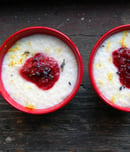
National Tapioca Pudding Day
Make them at home, or go out and try any number of Tapioca based treats and recipes, from a simple tapioca pudding to bread made with tapioca flour.
- Brazil
- Canada
- United Kingdom
- and 1 more

National Plum Pudding Day
Savor a delightful holiday dessert, rich with tradition and warm memories, as it brings a taste of nostalgia to your table.
- Canada
- United Kingdom
- United States

National Vanilla Pudding Day
Celebrate National Vanilla Pudding Day by enjoying creamy vanilla desserts, fun topping bars, creative pudding recipes, and the sweet history of this classic treat.
- Canada
- United Kingdom
- United States

National Chocolate Pudding Day
Make your own chocolate pudding, or simply indulge in the rich, creamy chocolate treat that has been a favorite of kids and adults alike for generations.
- Australia
- Canada
- United Kingdom
- and 1 more
National days and holidays on June 28

Log Cabin Day
Warm and inviting, an image away from the buzz of modern life: take a tour of log cabins in your area, and let yourself daydream of a simpler life.
- Australia
- Canada
- United Kingdom
- and 1 more
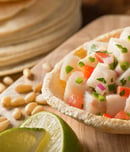
National Ceviche Day
If you’ve never tried the citrusy seafood known as ceviche, now’s the time! Just the freshest raw fish, some citrus, and a garnish of cilantro.
- Ecuador
- Mexico
- Peru
- and 1 more

National Logistics Day
Spend some time learning about the sector of business that keeps everything moving and organized: logistics. See how you can help, and apply it to your own life.
- United States

Christopher Street Day
Celebrating diverse identities and promoting equality, an annual event advocating for LGBTQ+ rights and fostering a sense of community.
- Germany
- Netherlands
- United Kingdom
- and 1 more
Seize Every Day
Join free for personalised recommendations, email reminders and exclusive guides. Never miss a day.