
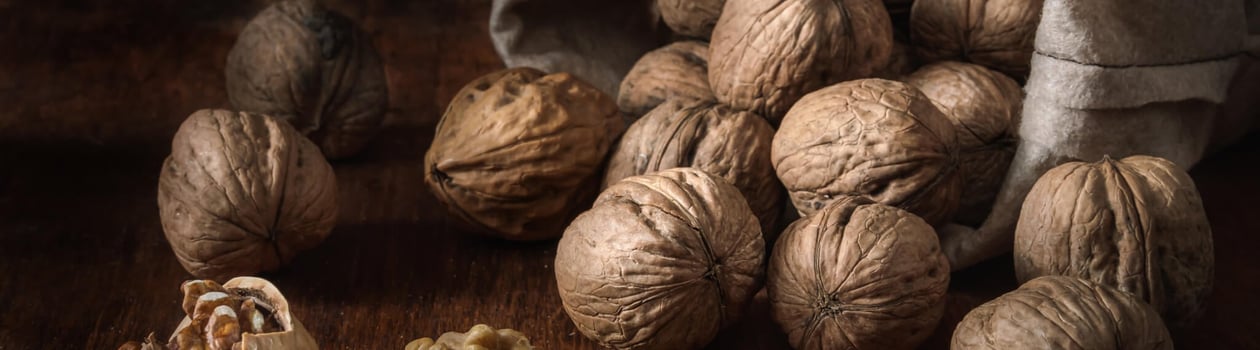
Go nuts about walnuts in honor of National Walnut Day! This ancient, nourishing nut (technically a seed from a drupe, but nobody is here to argue with a snack bowl) has a way of showing up everywhere: folded into brownies, scattered over salads, blended into sauces, and tucked into trail mixes for that earthy crunch.
While almonds, peanuts, and cashews often hog the spotlight, the walnut has a distinctly rich flavor and a surprisingly interesting backstory that makes it absolutely worth celebrating and appreciating on National Walnut Day.
How to Celebrate National Walnut Day
Enjoy tons of fun on National Walnut Day by celebrating in style with some of these tasty ideas:
Start simple: make walnuts the default add-on for the day. Toss a handful into morning oatmeal, swirl them into yogurt, or stir chopped walnuts into pancake batter. Their slightly bitter edge balances sweet ingredients, and their buttery texture plays well with creamy foods.
Go savory, too. Walnuts are excellent in grain bowls and salads, especially when paired with ingredients that like a little crunch and contrast, such as leafy greens, apples, pears, roasted squash, beets, or tangy cheese. Toasted walnuts can turn a plain salad into something that tastes intentional.
Try a “two-texture” walnut snack plate. Serve raw walnuts alongside toasted ones, plus a few extras like dried fruit, dark chocolate, or sliced citrus. Tasting the difference between raw and toasted walnuts is part of the fun: raw tends to be milder and softer, while toasted becomes more aromatic and crisp.
Make a walnut-based sauce. Many cuisines rely on walnuts for body and richness, not just crunch. Blended walnuts can create a creamy texture in sauces without needing dairy. A quick version can be made by pulsing walnuts with garlic, herbs, olive oil, and a splash of lemon, then thinning with water to drizzle over roasted vegetables or pasta.
Create a “walnut swap” challenge in the kitchen. Pick one favorite recipe that usually uses a different nut, then remake it with walnuts. Granola with walnuts instead of almonds, pesto with walnuts instead of pine nuts, or chocolate chip cookies with walnuts instead of pecans are easy experiments that often end in delicious surprises.
Share the walnut love. If there is one nut that feels made for gifting, it is the walnut. A small jar of candied walnuts, a homemade loaf with walnuts baked in, or a bag of toasted walnuts with seasoning (smoked paprika, cinnamon sugar, or rosemary salt) is a simple, practical present that actually gets used.
Learn Some Health Benefits of Walnuts
National Walnut Day is a perfect time to get a bit more familiar with some of the health benefits that are offered by this little nut. Take a look at these ways that the walnut is a healthy choice for snacking and baking:
Filled with Antioxidants
Walnuts contain the most antioxidants of any of the commonly eaten nuts. The high Vitamin E content, melatonin and polyphenols can help to prevent oxidative damage and promote the lowering of “bad” cholesterol.
High in Healthy Fat
Omega-3 fat is an essential ALA (alpha-linolenic acid) that is a vital part of the human diet, especially for the prevention of heart disease. A single one ounce serving of walnuts provides a full daily supply of this important nutrient.
Promotes Gut Health
Walnuts offer essential bacteria and microbes that help with the functioning of overall gut health.
May Decrease Inflammation
One of the common triggers for health problems in inflammation and walnuts offer nutrients, such as polyphenols, that can reduce oxidative stress that tends to cause inflammation. This could be beneficial in reducing heart disease, type 2 diabetes, Alzheimer’s disease and even cancer.
Learn Some Health Benefits of Walnuts
National Walnut Day is a great opportunity to get to know the health benefits packed into this small but powerful nut. Here are a few reasons why walnuts make a smart choice for both snacking and baking:
- Filled with Antioxidants
Walnuts are highly valued for their rich antioxidant content, including compounds like polyphenols and vitamin E. Antioxidants are important because daily life creates oxidative stress in the body, and diets that include antioxidant-rich foods are often linked to better overall wellness. What makes walnuts stand out is that these compounds are not only inside the nut but also concentrated in the thin, papery skin. That slight bitterness you may notice comes from that layer, which is also why it’s worth keeping it on instead of removing it.
- High in Healthy Fat
Walnuts are especially known for their omega-3 fats, including ALA (alpha-linolenic acid), which is considered essential because the body cannot produce it on its own. This is particularly useful for people who do not regularly eat fish, as walnuts are one of the most recognizable plant-based sources of omega-3s. Their fat content also makes them satisfying, adding richness to meals whether they are sprinkled over vegetables or blended into sauces.
- Promotes Gut Health
Walnuts contain fiber and plant compounds that support a healthy digestive system. Gut health goes beyond regular digestion. The gut microbiome plays a role in metabolism, digestion, and many other bodily functions. Walnuts provide a combination of fiber and natural compounds that nourish beneficial gut bacteria. Adding them to your routine is a simple way to increase plant diversity in your diet, which is often encouraged for overall digestive wellness.
- May Decrease Inflammation
Inflammation is a natural response in the body, but long-term inflammation is linked to various health concerns. Walnuts provide nutrients commonly associated with supporting a balanced inflammatory response, such as polyphenols and omega-3 fats. While no single food can do everything, walnuts fit well into balanced eating patterns that focus on whole foods and healthy fats.
Make Some Candied Walnuts
While candied pecans and toasted almonds often get the spotlight, candied walnuts are definitely worth trying. They make a delicious snack, a great salad topping, or a finishing touch for cakes and desserts. Plus, they are incredibly easy to prepare.
All you need are three ingredients: walnuts, butter, and sugar. Add everything to a skillet and heat over medium heat for about five minutes, stirring constantly. Then spread the nuts on parchment paper and let them cool.
For better results, small adjustments can make a big difference. Use medium heat instead of high so the sugar melts evenly without burning. Stir continuously and watch closely, because once sugar heats up, it can quickly go from perfect to overdone. Spreading the walnuts out to cool is important, as they set quickly and can stick together if left in a pile.
These three ingredients are the classic base, but walnuts pair well with added flavors. A pinch of salt enhances sweetness. Cinnamon creates a warm, bakery-style taste. A bit of chili powder or cayenne adds a sweet-and-spicy twist that works surprisingly well with roasted vegetables. Vanilla or a touch of maple syrup can deepen the flavor with a caramel-like note.
Candied walnuts are not just for desserts. They work beautifully on salads with bitter greens, paired with fruit, or added to sandwiches with sharp cheese. They can also be crushed and used as a crunchy topping for ice cream, yogurt, or oatmeal.
Share Fun Facts About Walnuts
A simple and engaging way to celebrate National Walnut Day is by learning and sharing interesting facts about walnuts. These small details can spark curiosity and encourage others to appreciate them more.
Here are a few to get started:
- Walnuts have been appreciated for centuries, not just as food but as something linked to well-being. Long before modern nutrition, people treated walnuts as a functional ingredient. Their brain-like shape even inspired symbolic connections between food and health in traditional cultures.
- Walnut trees can grow quite large, reaching up to about 60 feet in height, and they can remain productive for many years. They are not fast-growing plants, but their steady development is part of why walnut orchards are often seen as long-term investments.
- Walnuts stay freshest when stored in a cool place, ideally in the refrigerator or freezer. Because they contain natural oils, heat and light can cause them to spoil faster, leading to a bitter taste. Keeping them cool helps preserve their flavor and freshness.
- Walnuts are a major commercial crop, and their production process is more complex than it might seem. Each walnut begins with a green outer hull, followed by a hard shell, and goes through harvesting and drying before reaching store shelves.
Walnuts also come with practical kitchen tips that make cooking easier. Toasting walnuts enhances their flavor because heat releases aromatic compounds. That’s why toasted walnuts taste richer than raw ones. To toast them, spread them in a single layer and warm gently until fragrant, then cool before chopping. Cooling is important because warm nuts are softer and harder to cut cleanly.
Another useful tip: chopping walnuts with a knife often gives better results than crushing them with a rolling pin, especially for baking. Evenly chopped pieces distribute more consistently in the batter, ensuring a balanced texture in every bite.
Make Baked Goods with Walnuts
Celebrate National Walnut Day by using walnuts in a variety of baked goods. Add chopped walnuts to banana bread, oatmeal muffins, brownies, or other treats. Make extra and share with coworkers, neighbors, or family to mark the occasion.
Walnuts are excellent for baking because they hold their flavor and texture even under heat. They add a pleasant crunch to soft baked goods and help balance sweetness in recipes like cookies.
A few simple baking tips can improve results. First, toast walnuts before adding them to batter to enhance their flavor. Let them cool completely before chopping.
Second, lightly coat chopped walnuts with a bit of flour from your recipe before mixing them in. This helps prevent them from sinking, especially in cakes and muffins.
Third, adjust the size of the walnut pieces depending on the recipe. Medium chunks work well in cookies and brownies, while smaller pieces suit delicate cakes. Larger pieces are ideal for decorative toppings.
Walnuts pair beautifully with flavors like banana, maple, chocolate, cinnamon, coffee, and caramel. They also complement citrus fruits, which help balance their richness. Recipes like walnut-orange loaf or walnut-chocolate biscotti can feel elegant without being complicated.
For something different, try savory baking. Walnuts can be added to cheesy biscuits, herb scones, or rustic breads, bringing texture and a subtle earthy sweetness.
Share Fun Facts About Walnuts
One super clever way to raise awareness about the goodness and health of walnuts might be to learn a few bits of trivia about this nut that can be shared. Tell friends and coworkers about some fun facts while encouraging them to celebrate National Walnut Day in their chosen fashion.
Get started with some of these
Even since ancient times, walnuts have been used for various health benefits and have even been considered to be medicinal for treating issues such as bad breath, wound healing and reduction of inflammation.
Walnut trees can grow to be very large, up to 60 feet tall. They can produce walnuts for more than 100 years!
Walnuts are best when kept cool, so it’s ideal to store them in the refrigerator or freezer for the best flavor and the longest life.
The state of California produces approximately one billion pounds of walnuts every single year. Now that’s a whole lot of nuts!
History of National Walnut Day
Walnuts are considered one of the oldest tree foods known to humans, with a history stretching back thousands of years. Early on, people discovered that walnuts were easy to store, simple to eat, and highly nutritious.
In ancient Persia, walnuts were known as the Royal Nut and were reserved for royalty. During the time of Alexander the Great, walnuts were brought from Persia to Greece and were called Persian nuts for over a thousand years. Over time, Greek-grown walnuts became smaller and less desirable, leading to efforts to improve them by reintroducing Persian varieties.
The Greek word for walnut is karyon, meaning head, which is fitting since the shell resembles a human head and the inside looks similar to a brain.
Walnuts likely spread into Europe between 500–700 BC and later reached the British Isles through the Roman Empire. Around this time, the name “English walnut” emerged to distinguish it from black walnuts.
Eventually, walnuts made their way to the New World. Franciscan missionaries found that Southern California provided ideal growing conditions, which led to the name “mission walnuts.” Today, California produces about 99% of the walnuts in the United States and plays a major role in global supply.
National Walnut Day has been celebrated for over 70 years. It was established in 1949 by the Walnut Marketing Board in the United States to promote this nutritious food. In 1958, President Dwight D. Eisenhower officially recognized it as a public holiday, and it continues to be celebrated annually.
The walnut’s long journey explains why it appears in so many cuisines. Its ability to store well and its protective shell made it ideal for travel and trade. It also provided a valuable source of energy through fats and protein.
Walnut trees themselves require patience. They take time to mature but can produce generously once established. Cultivation became closely linked to land management and seasonal harvest practices. After harvesting, walnuts are hulled and dried to ensure proper storage and prevent spoilage.
The term “English walnut” can be misleading, as it does not indicate origin but rather distinguishes it from black walnut varieties. Black walnuts have a stronger flavor and tougher shell, while English (or Persian) walnuts are milder and easier to use in cooking.
National Walnut Day began as a way to highlight the walnut’s importance as both a crop and a food. Over time, it has become a simple reminder to cook, bake, and enjoy walnuts while appreciating their long history and versatility.
National Walnut Day Timeline
Humans cultivate walnuts
The oldest tree food known to man, walnuts are cultivated starting in Persia.
First documented account of the walnut
The cultivation of the walnut is mentioned in The Code of Hammurabi, the oldest code of laws in the world.
Walnuts land in America
English settlers are responsible for bringing walnut plants to the New World.
Walnuts are cultivated in Chile
The climate in Chile does well for growing walnuts and the country eventually becomes the world’s third largest walnut exporter.
National Walnut Day FAQs



You may also like
National Nut Day
Savor the delightful crunch of these small, protein-packed bites that add a satisfying twist to snacks and dishes.
- United States

World Digestive Health Day
World Digestive Health Day raises awareness of gut health, sharing tips, science, and resources to support digestion, immunity, and overall well-being.
- Australia
- Canada
- International
- and 2 more

National Macadamia Nut Day
Enjoy a healthy, wholesome, but incredibly tasty snack of roasted macademia nuts, generally imported from Australia, on Macadamia Nut Day.
- Australia
- New Zealand
- United States

National Chinese Almond Cookie Day
Have you ever tried a Chinese almond cookie? This crisp, golden treat is the kind of bite-sized comfort that feels both simple and special at the same time. It snaps lightly, then melts away, leaving a gentle almond fragrance behind. Often shaped into a neat round, it’s sometimes compared to...
- China
- United States
National days and holidays on May 17

Cannes Film Festival
The Cannes Film Festival is one of the most glamorous and important events in the film industry. Held annually in the beautiful city of Cannes on the French Riviera, this festival draws the biggest names in cinema, from directors to actors. The red carpet is a dazzling display of style...
- France

National Stationery Week
Sharpen your pencils and break out your fine pens, and take this excuse to use some fancy stationery. Write a loved one, find a pen pal, or even make your to-do list.

World Baking Day
Cookies, brownies, pies, bread…try out some new recipes, or revisit your old favorites to have a little fun in the kitchen and end up with tasty treats.
- Australia
- Canada
- Germany
- and 2 more

American Craft Beer Week
Exploring diverse flavors and styles, American craft beer showcases innovation and craftsmanship, delighting enthusiasts worldwide.
- United States
Seize Every Day
Join free for personalised recommendations, email reminders and exclusive guides. Never miss a day.