National Weed Your Garden Day
Dig in the dirt, feel the sun on your skin, and uproot those pesky weeds! You'll uncover a beautiful canvas for your green thumb to paint on. Happy gardening!
Perhaps it’s a bore for some people, but for others it can be almost therapeutic. In any case, like it or not, weeding the garden is a vital and essential part of growing food, flowers or other plants.
National Weed Your Garden Day is here to act as a reminder to take an extra few minutes to get into the garden and do some weeding!
How to Celebrate National Weed Your Garden Day
Garden lovers won’t have any problem coming up with some plans around observing and celebrating National Weed Your Garden Day. But, to get started, here are a few ideas:
Weed Your Garden
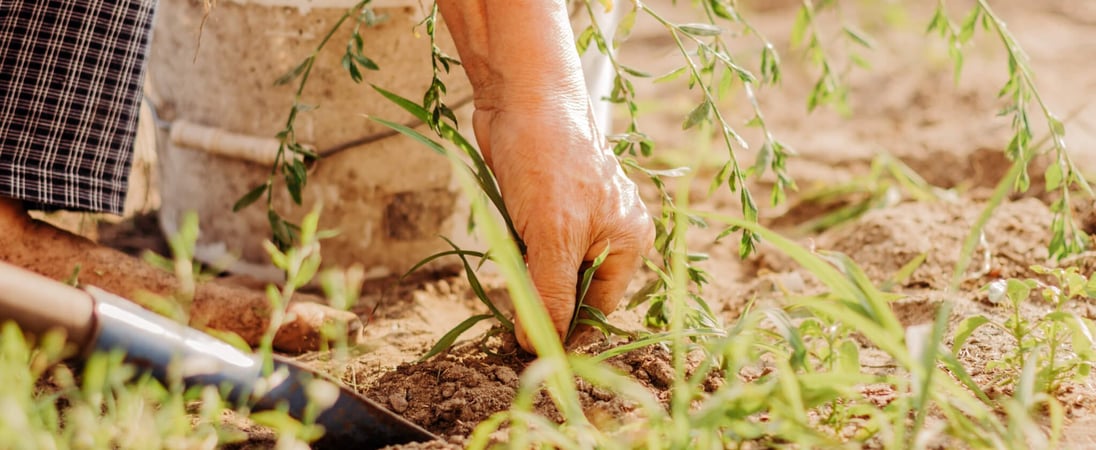
Of course, the most ideal scenario when it comes to weeding a garden is to take a few minutes every day to pull out the young weeds before they begin to take over the whole place. But National Weed Your Garden Day offers an extra special reminder to get out there and pull those pesky weeds right in the middle of the month of June.
Plant a Garden
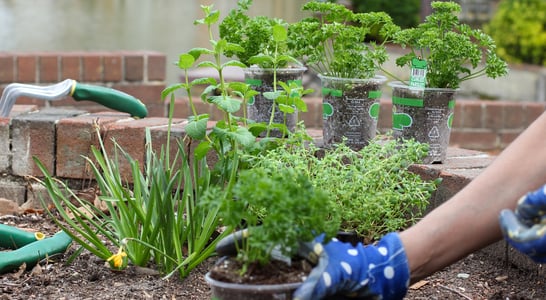
For those who haven’t planted a garden yet this year (or ever), National Weed Your Garden Day might be a good time to do it! In many climates, this timing might be a bit late in the season to be planting too many different things outside, especially in the form of seed. However, any time of year is a good time to plant a container garden.
Choose a little herb garden that can grow in the kitchen window, providing fresh herbs for making meals with. Or perhaps go for some flower planters or flower boxes that can be filled with brightly colored flowers and hung on the front porch or placed on the back deck.
Get a New Gardening Book
Avid gardeners and beginners alike might enjoy taking National Weed Your Garden Day as a motivator to learn a bit more about the plants they have in their gardens. Hop over to the library or a local book store and pick up a few titles that will offer guidance and encouragement about growing and weeding vegetable gardens, fruit trees, or beautiful and fragrant flowers.
History of National Weed Your Garden Day
The history of gardening can be traced back thousands of years, back to the time when humans began cultivating plants by placing the seeds in the ground on purpose. From the beginning, the desire and need would have been based around food sources. But after a while, the concept of growing a garden simply for the purpose of enjoying the beauty of flowers and plants eventually developed throughout the wealthier classes.
In today’s world, most people don’t grow their own food but, instead, their food is grown for them – particularly in urban settings. Still, growing a garden is often a beautiful and productive hobby that can be literally filled with fruitful consequences!
National Weed Your Garden Day acts as a delightful little reminder to head outside and pick a few of those weeds.
Also on ...
View all holidays
World Softball Day
Get together a group of friends and get outside to play a fun, competitive, game of softball. Good exercise, good times with friends—what more could you want?
International Axe Throwing Day
Axe throwing is fun and for many a great way to blow off steam. See if any axe throwing locations near you are hosting a free event for Axe Throwing Day.

National Sewing Machine Day
Try working with a simple thread and needle to really appreciate how much the sewing machine has changed the speed and ease with which we can make things.

National Movie Night
Gather with friends and family, dim the lights, and immerse in cinematic adventures for an unforgettable movie night.
We think you may also like...
National Water a Flower Day
Pamper your indoor plants and flowers, and tend to your garden or window pots to make sure all your flowers get a drink on Water a Flower Day.