National Pack Your Lunch Day
Elevate your midday meal game and save money by bringing a packed lunch to work. Plus, you'll have more time for fun activities during your break!
Lunchtime is something that we can all get excited about. It’s that lovely moment in the middle of the day when we get to recharge and have a few moments to stop what we’re doing.
As children, the contents of a lunch bag were a daily mystery that could turn you into the star of the lunchroom!
As we grow older, what to have for lunch tends to be something we figure out on the fly and wind up spending money on fast food or other easy choices. National Pack Your Lunch Day is the perfect time to bring fun back to your day!
History of National Pack Your Lunch Day
People have been bringing their lunch to work with them forever. There has always been a need to take time out of the day to recharge energy with a bite to eat.
Through the years this has changed in appearance as convenience has given way to planning and preparation. It is known that those quick options are not very healthy.
Making the choice to eat out at lunchtime (as well as other times too!) has helped to add to the waist size of adults and children.
National Pack Your Lunch Day helps to remind us of the many advantages of making your own lunch. Have you ever taken time to look at the ingredients of any of the convenience foods that are so easy to grab and go?
The typical lunch box options include snacks that we buy in shops. A small pack of chips, a handful of cookies.
These are the most common items found in children’s lunch boxes at school, but also in some adults’ lunch boxes too. It’s not common for adults to pack a lunch, though. A lot of people tend to buy something on the go.
It is a nightmare of preservatives and chemicals most times! If you take the time to plan your own lunches you will know exactly what is in the food you are eating.
Also, you can control portion sizes. It can be surprising what a difference it can make in your day. No more sluggishness in the afternoon as you break away from fatty and sugary foods and make healthier choices!
How to Celebrate National Pack Your Lunch Day
If you are a parent, you can perk up your child’s lunchtime with a new lunchbox, filled with yummy treats! You can even add a note to encourage them or just remind them how awesome they are.
Many schools have rules about what types of treats are acceptable now but this doesn’t mean that you can’t find yummy choices. Head over to Pinterest or your favorite search engine and you will be able to bring up endless recipes and ideas.
For your own lunch, there are many easy to put together options that will really have your taste buds thanking you!
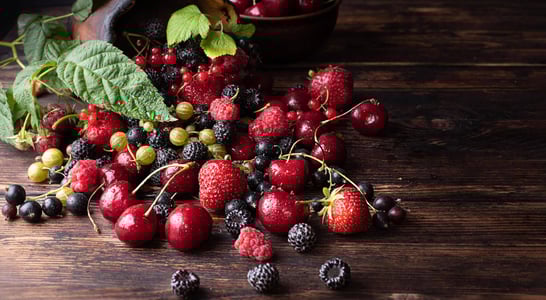
Some of the ideas that are easy are things like salad in a jar, vegetables with dip, or yogurt with granola or berries.
You will find that besides being healthier, you may even save money by packing your lunch! When you take a minute to examine how much money you spend just grabbing and going, it can be a bit of a shock!
To really celebrate National Pack Your Lunch Day, take some of those savings and do something fun with the family or on your own as a reward for making the right choice for you!
National Pack Your Lunch Day For A Healthy Reboot
Lunchtime is the time of the day when you need to refuel your body with energy. It’s the break in the middle of the day that everybody looks forward to relaxing and eating.
All the goodness of a healthy breakfast can be undone at lunchtime if you haven’t packed nutritious lunch. So, you could turn National Pack Your Lunch Day into a health wakeup call.
Use the day to kick start new habits and develop a healthy lifestyle. Here are some ideas to get yourself started and make your healthy lunch an easy routine.
You should start National Pack Your Lunch Day by making a list of the potentially unhealthy food you eat at lunch. Spoiler alert: Carbs, sugar, starch, and fat are on top of the list of unhealthy elements. They may make you feel full at the time, but they also cause the afternoon slump that slows you down.
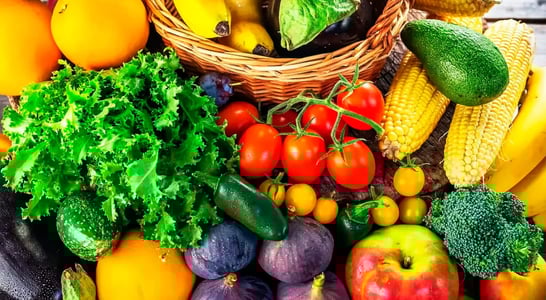
So, your next lunch should include a nutritious selection of ingredients. You need primarily vegetables, fruits, and a source of lean protein such as chicken, tofu, or eggs.
Giving your body the food it needs will maintain your energy levels throughout the day. Besides, fueling your body also feeds the brain. You’ll find yourself solving problems faster than ever before!
Planning for National Pack Your Lunch Day
There’s no reason why National Pack Your Lunch Day should be a single day in the year. You can use it as an excuse to build new habits to make lunch packing quick, easy, and healthy all year long. Keeping pre-cut ingredients in airtight containers in the fridge will speed up packing.
You can keep raw vegetables, nuts, plant-based proteins for a week. Cooked proteins, such as chicken, for instance, shouldn’t stay in your fridge for more than a couple of days. Every morning, you can pack your lunch box in a few minutes with these tips!
Another thing to think about is the box. Packing a salad is not the same as packing a soup, so make sure you’ve got the right container to enjoy your lunch without leaking disaster!
Time-saving Healthy National Pack Your Lunch Day Ideas
What can you prepare when you’ve got only a few minutes to pack your lunch?
Packing a fresh salad by combining the prepared vegetables and proteins is quick. You can toss a handful of nuts for an extra crunch, and you’re ready to go. If you prefer a warm lunch, pack some dried noodles with cut vegetables and a spoonful of miso or some spices in a glass container.
You’ll only need to add boiling water at lunchtime. For those with a sweet tooth, nothing beats an overnight oat pot! You can find plenty of recipes online, and they taste delicious.
Facts About National Pack Your Lunch Day
Industrial Workers Helped Popularize Metal Lunch Pails
In the late 19th and early 20th centuries, American industrial workers often had no access to factory cafeterias, so they carried sturdy metal pails filled with leftovers, bread, and coffee to survive long shifts.
These practical “worker’s buckets” are considered the direct ancestors of the modern lunch box and reflected the rise of shift work and commuting during rapid industrialization.
Licensed Characters Turned Lunch Boxes Into Pop Culture
The lunch box shifted from a plain utility item to a pop-culture billboard when companies began licensing popular characters.
One early example was a 1935 Mickey Mouse metal lunch box, and the trend exploded in 1950 when Aladdin’s Hopalong Cassidy lunch box reportedly sold millions, linking children’s packed lunches with advertising, fandom, and television culture.
Home-Prepared Meals Are Consistently Lower in Calories
Analyses of national dietary data in the United States have found that adults who frequently cook and eat meals prepared at home consume fewer calories, less fat, and less sugar than those who rely heavily on restaurant or take‑out food.
A large study using National Health and Nutrition Examination Survey (NHANES) data reported that people who cooked dinner at home six or more times per week consumed about 150 fewer calories per day on average.
Packed Lunches Often Miss Vegetables and Whole Grains
Research on U.S. children’s lunches shows that while packed meals can be lower in sodium and include more snacks from home, they frequently lack vegetables, whole grains, and low‑fat dairy compared with school-provided meals that must meet federal nutrition standards.
A study of over 600 elementary students in Massachusetts found that only 17 percent of home-packed lunches met three key National School Lunch Program nutritional standards.
Lunch Choices Can Affect Afternoon Concentration
Nutrition research has linked meals high in refined carbohydrates and added sugars to faster spikes and drops in blood glucose, which can impair attention and mood later in the day.
Controlled trials in both children and adults have shown that balanced meals containing fiber, protein, and healthy fats are associated with more stable energy and improved cognitive performance in the hours after eating.
Two Hours Is the Safety Limit for Perishable Lunches
Food safety experts consider the temperature range between 40°F and 140°F the “danger zone,” where bacteria that cause foodborne illness multiply quickly.
The U.S. Department of Agriculture and the Academy of Nutrition and Dietetics advise discarding perishable items like meat, dairy, or cut fruit if they have been at room temperature for more than two hours, or just one hour if the ambient temperature is above 90°F.
Insulated Lunch Boxes Need Cold Packs to Work Properly
Insulated lunch bags slow down warming but do not actively keep food cold on their own.
To keep perishables below 40°F until lunchtime, the USDA recommends packing at least two cold sources, such as frozen gel packs, frozen water bottles, or frozen juice boxes, placing them above and below items like sandwiches, yogurt, or meat.
This simple step significantly reduces the risk of bacterial growth during the school or workday.
Also on ...
View all holidays
National Mario Day
Join this iconic Italian plumber on his adventures through fantastic worlds, battling fierce enemies and saving the Princess!



International Day Of Awesomeness
Rocking life with a confident attitude, spreading positivity, and making everyday situations shine - that's the essence of pure awesomeness!