
Retro Day is a vibrant celebration that takes us back to the good times of the past. This day invites everyone to indulge in nostalgia by embracing the styles, music, and culture of earlier decades!
How to Celebrate Retro Day
Dress the Part
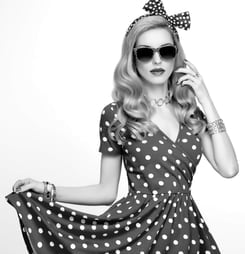
Start your Retro Day with a splash by donning vintage attire. Whether it’s bell-bottom jeans or a poodle skirt, choose an outfit that channels a specific era.
Add accessories like cat-eye glasses or a fedora to complete the look. This not only brings out the retro vibe but also makes for some fantastic photos.
Blast from the Past
Fill your space with the sounds of yesterday. Spin vinyl records or play mixtapes on an old cassette player. Groove to the beats of classic rock, disco, or jazz.
If you have a jukebox, use it for an extra touch. This musical journey will surely get everyone in the retro spirit.
Retro Gaming Fun
Why not dive into some retro gaming? Dust off that old Atari, Sega Genesis, or NES console. Spend the day playing classic games like Pac-Man, Sonic, or Super Mario.
These timeless games offer a fun way to relive the joy of simpler gaming days.
Classic Movie Marathon
Host a movie marathon featuring films from the 50s, 60s, or 70s. Screen classics like “Some Like It Hot,” “Grease,” or “Star Wars.”
Make it even more authentic by watching on VHS or DVD instead of streaming. Don’t forget the popcorn and vintage soda pop for the perfect movie.
Vintage Car Ride
Take a trip back in time by riding in or showing off a classic car. Whether it’s a ’57 Chevy or a vintage VW Beetle, these cars can transport you to another era.
A scenic drive or even a parade can make the day even more memorable. If you don’t own one, consider renting or visiting a local car show.
Why Celebrate Retro Day?
It’s an opportunity to remember and relive the charm of simpler times. People often dress up in vintage outfits, listen to classic tunes, and enjoy the retro ambiance, creating a festive and joyful atmosphere.
The importance of Retro Day lies in its power to connect generations. It brings together people of all ages, allowing them to share and appreciate the cultural milestones of the past.
This celebration helps in preserving and passing down traditions, ensuring that the iconic elements of different eras are remembered. For many, it serves as a delightful trip down memory lane, evoking fond memories and sparking conversations about the past.
Retro Day is celebrated for various reasons. It honors the timeless appeal of retro fashion, music, and lifestyle, reminding us of the creativity and uniqueness of those times. It also fosters a sense of community as people bond over shared experiences and collective memories.
Additionally, this event encourages the younger generation to explore and appreciate the history and aesthetics of past decades, making it a day of learning and enjoyment for all!
History of Retro Day
Retro Day celebrates the charm of bygone eras, allowing people to relive the simplicity of the past. This special day focuses on a time before smartphones and social media took over our lives.
It invites everyone to enjoy the classic styles, music, and trends that defined previous decades. The term “retro” itself, originating in the 1970s, refers to new items that mimic or draw inspiration from the past.
The idea for Retro Day was conceived to help people remember and appreciate the times when life was less digitally connected. The founders, Hermelinda A. Aguilar and Robert and Tina Duran, aimed to create a day where we could step back from our screens and connect more deeply with each other.
The celebration officially started in 2018 and has since grown in popularity, encouraging participants to embrace everything from vintage fashion to classic entertainment. People love Retro Day because it provides a chance to enjoy and share memories from different periods.
Whether it’s dressing up in retro outfits, playing old-school games, or listening to music from vinyl records, the day is all about celebrating the joy and simplicity of the past. This day reminds us to cherish moments with loved ones and appreciate the history that shapes our present!
Facts About Retro Day
Retro’s Roots in Latin and Postwar Design
The word “retro” only entered English in the early 1970s, but it is built on a much older Latin root, “retro,” meaning “backward” or “in past times.”
Designers and cultural critics began using “retro” in the 1960s and 1970s to describe new furniture, clothing, and graphics that self‑consciously referenced postwar and mid‑century styles rather than imitating historical periods like the Victorian era, marking a shift from traditional “revival” design to playful, ironic reuse of the recent past.
Nostalgia Was Once Considered a Medical Disorder
Today nostalgia is often seen as cozy or fun, but in the 17th through 19th centuries physicians treated it as a serious disease that particularly afflicted soldiers and migrants who longed for home.
The term was coined in 1688 by Swiss physician Johannes Hofer as a blend of Greek words for “homecoming” and “pain,” and symptoms were said to include anxiety, insomnia, and even fever, before modern psychology reframed nostalgia as a mostly normal and sometimes beneficial emotion.
Why People Romanticize the “Good Old Days”
Psychological research shows that nostalgia tends to be triggered when people feel lonely, stressed, or uncertain about the future, which is why difficult or fast‑changing times can spark waves of interest in past decades.
Studies summarized by the American Psychological Association and others find that reminiscing about earlier music, fashions, and social rituals often boosts mood, strengthens a sense of identity, and increases feelings of social connectedness, even when the remembered era was not objectively simpler.
The 30‑Year Nostalgia Cycle in Pop Culture
Media historians and cultural critics have observed a rough “30‑year rule” in popular culture, where entertainment and fashion industries repeatedly revive the styles and sounds of the period about three decades earlier.
The 1970s saw a craze for 1950s rock and diners, the 1990s repackaged 1960s and 1970s bell‑bottoms and funk, and the 2010s leaned heavily on 1980s video games and synth music, illustrating how each generation tends to idealize the culture of its own youth once it reaches adulthood.
Vintage Fashion as a Response to Mass Production
What many people now call retro or vintage style began taking off in the 1960s and 1970s, when young shoppers started mixing secondhand clothing from thrift shops with contemporary pieces as a rebellion against mass‑produced, standardized fashion.
Fashion scholars note that this re‑use of older garments not only expressed individuality and subcultural identity, but also foreshadowed today’s interest in sustainable fashion, since wearing older styles extends the life of clothing that might otherwise become waste.
Vinyl Records’ Survival in the Digital Age
Despite the rise of CDs and streaming, vinyl records have enjoyed a remarkable revival as a retro medium, with global LP sales growing steadily since the mid‑2000s.
The Recording Industry Association of America reported that by 2023 vinyl albums accounted for more revenue than CDs in the United States, as listeners embraced the large artwork, analog sound, and tactile rituals of turntables as part of a nostalgic, experience‑oriented way of enjoying music.
Classic Video Games and the Birth of “Retro Gaming”
Games like Pac‑Man, Space Invaders, Super Mario Bros., and Sonic the Hedgehog were once cutting‑edge technology, but by the 1990s and 2000s fans and scholars had begun to treat them as a distinct “retro gaming” culture.
Museums, preservation projects, and commercial rereleases of early consoles such as the Nintendo Entertainment System and Sega Genesis highlight how pixel art, chiptune soundtracks, and simple gameplay loops have become nostalgic symbols of a pre‑online era in entertainment history.