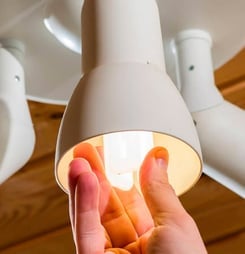

Shades for Migraine is a global awareness campaign that invites people to wear sunglasses in public as a small, highly visible gesture of support for people living with migraine disease. For many, migraine comes with severe light sensitivity, and sunglasses can be more than an accessory. They can be a coping tool that makes it possible to shop for groceries, sit through a meeting, or simply step outside.
That day encourages friends, family, and colleagues to rally around people who experience migraine. It builds bridges when participants share personal stories in posts, workplace messages, and community shout-outs, helping others understand migraine as a complex neurological condition rather than “just a headache.” When someone who does not have migraine puts on shades indoors for a photo, it can quietly communicate, “I get that light can hurt.”
As more voices join in, the campaign chips away at stigma and replaces awkward silence with practical empathy. A wave of purple-tinted frames, playful selfies, and sincere captions offers a clear message: support can be simple, and nobody has to handle migraine alone.
Why Sunglasses?
Sunglasses symbolize one of migraine’s most common and misunderstood features: photophobia, or sensitivity to light. During an attack, normal lighting can feel painfully intense, and bright environments can worsen nausea, dizziness, and head pain. For some people, even the glare from a screen or sunlight bouncing off pavement can be enough to trigger symptoms or intensify them. The result is an “invisible” problem that others often cannot see, especially when the person looks fine on the outside.
Wearing sunglasses becomes a kind of shorthand for that invisible experience. It hints at what migraine can demand: canceled plans, darkened rooms, careful routines, and constant calculations about lighting. It also reflects the reality that many people with migraine use sunglasses in everyday situations that others might find unusual, like indoor stores, public transportation, or fluorescent-lit offices.
Across social media, participants post selfies wearing shades under the hashtag (#ShadesForMigraine), turning a simple outfit choice into a conversation starter. A photo can be funny, stylish, or deliberately dramatic, but the caption often carries the heart of the campaign: a personal story, a myth-buster, or a message that migraine affects work, school, parenting, relationships, and mental well-being.
Health professionals and advocates often emphasize that visibility matters because migraine is frequently minimized. Migraine is widely recognized as a neurological disease that can involve far more than head pain, including sensory sensitivity, cognitive fog, speech difficulty, fatigue, and gastrointestinal symptoms. When a campaign makes a symptom easy to “see,” it can help people connect the dots between what they witness and what a person is actually coping with. In that way, sunglasses are not just symbolic. They are educational.
How to Celebrate Shades for Migraine
Here are some simple and engaging ideas to take part in Shades for Migraine:
Wear coloured sunglasses
Pick a distinctive pair of tinted shades, often in purple tones that have become a familiar color in migraine awareness spaces. The goal is not fashion perfection. It is recognition. Take a photo in good lighting that still feels comfortable, and share it with the campaign hashtag so others can find and amplify it.
To add real value, pair the photo with a short note that explains why sunglasses matter for migraine. A single sentence can help, such as: “Light sensitivity can be severe during migraine attacks, and sunglasses can make basic errands possible.” That small explanation can correct misconceptions without turning the post into a lecture.
If the participant personally lives with migraine, the post can also include a boundary-friendly detail, like what support looks like: quiet check-ins, flexible plans, or understanding when someone needs to step away from light and noise. The campaign is at its best when it combines visibility with practical kindness.
Invite others to join
Ask three friends, classmates, or coworkers to wear shades and post their own photo. The “tag and pass it on” approach makes the campaign feel energetic and communal, and it helps spread education beyond the people who already understand migraine.
To keep the invitation comfortable, it can be framed as low-pressure: “Join if you can” or “No worries if this is not your thing.” Migraine advocacy is more sustainable when it respects people’s different comfort levels with public posting.
For groups, consider giving a simple prompt that makes posts more meaningful. For example: share one myth about migraine that should disappear, or share one way to support someone who needs to reduce light exposure. The end result is a feed full of helpful information instead of only photos.
Bring shades to work or school
Organize a mini pop-up station with extra sunglasses, or keep a small basket at a reception desk, classroom entry, or break room counter. A sign can briefly explain the idea: wearing shades shows solidarity with people who experience migraine and light sensitivity.
This is also a good moment to model supportive behavior rather than curiosity. People with migraine often hear comments like, “Why are you wearing sunglasses inside?” The pop-up can encourage a better response: “Do you need the lights lowered?” or “Want to sit away from the window?” Even a short conversation can shift a culture.
If an organization wants to take it a step further, it can share a quick message about migraine-friendly practices: allowing screen breaks, providing non-flickering lighting where possible, minimizing strong scents, and supporting flexible scheduling for medical appointments. These changes do not only help migraine. They can improve comfort for many people.
Host a light‑safe hangout
Gather with others in a low-light space and make the environment intentionally gentle. That could mean using warm lamps instead of overhead lighting, closing blinds to reduce glare, and keeping volume low. The point is not to recreate a “migraine cave,” but to demonstrate how thoughtful lighting choices can make social time more accessible.
Activities can be simple: a quiet craft table, a puzzle, or a low-stimulation movie with subtitles and reduced brightness. Snacks can be chosen with sensitivity in mind, since some people avoid certain foods during attacks. Keeping options straightforward and scent-light helps, too. Strong perfumes, candles, and heavily fragranced cleaners can be uncomfortable for people with migraine, especially when sensory sensitivity is high.
When the event includes people who live with migraine, offering an “exit plan” can be a kindness. Let attendees know they can step outside, lie down, or leave without explanation. That kind of built-in permission can turn an event from stressful to actually supportive.
Share migraine tips
Post a short video, a carousel of tips, or a short list of habits that can make light sensitivity easier to manage. It helps to keep the tone practical and non-prescriptive, since migraine varies widely from person to person. Useful ideas might include:
- Dimming screens, using night-mode settings, and reducing glare.
- Taking regular breaks from close-up work and bright displays.
- Wearing a brimmed hat outdoors to reduce overhead glare.
- Using indirect lighting at home rather than harsh overhead bulbs.
- Keeping a pair of sunglasses in a bag, car, or desk for surprise triggers.
People can also share what supportive responses look like. For example: offering to move a hangout to a quieter space, avoiding surprise camera flashes, or understanding why someone might skip a bright venue. Tips like these help friends and coworkers move from sympathy to concrete support.
Medical advice should remain in a safe lane: encourage anyone with frequent or severe headaches, changes in symptoms, or disabling attacks to talk with a qualified clinician. The campaign can normalize seeking care without turning a social post into a medical directive.
Donate or fundraise
If a participant wants to go beyond awareness, fundraising can support education, advocacy, and research efforts led by migraine-focused organizations. Keeping it simple works well: a small donation, a workplace “wear shades” contribution jar, or a social media prompt that invites others to give if they are able.
Fundraising can also be paired with a learning goal. For instance, a group can commit to sharing a few educational posts about migraine while raising money, so the effort builds knowledge as well as resources.
For those who prefer not to ask for money, donating time and attention still counts. Sharing educational materials, amplifying migraine advocates, or offering practical support to someone in the middle of a rough week can be just as meaningful.
Shades for Migraine Timeline
Galen Coins “Hemicrania”
The physician Galen describes one‑sided, throbbing head pain and names it “hemicrania,” a term that later evolves linguistically into the modern word “migraine.”
Liveing Proposes a Distinct Migraine Disorder
British physician Edward Liveing publishes “On Megrim, Sick‑Headache, and Some Allied Disorders,” arguing that migraine is a specific nervous disease rather than a simple headache.
Harold Wolff and Early Vascular Ideas Take Shape
Early 20th‑century work, later synthesized by Harold Wolff, strengthens the view that dilating cranial blood vessels are key to migraine pain, laying groundwork for vascular theories of migraine.
Ergot Alkaloids Become Standard Migraine Drugs
Derivatives of ergotamine gain wide use as targeted migraine treatments, reflecting a shift toward pharmacologic care based on vascular mechanisms of migraine attacks.
Migraine Defined in the First ICHD
The International Headache Society publishes the first International Classification of Headache Disorders, giving precise diagnostic criteria for migraine and separating it from other headache types.
Sumatriptan Ushers In the Triptan Era
Approval of sumatriptan, the first triptan, provides an effective migraine‑specific acute drug and confirms serotonin’s role in migraine pathways, transforming modern treatment.
FL‑41 and Targeted Lenses for Photophobia
Clinical studies show that FL‑41 and similar precision‑tinted lenses can reduce light sensitivity and migraine frequency in some patients, highlighting photophobia as a treatable symptom.
History of Shades for Migraine
Shades for Migraine began in 2017, launched by the Association of Migraine Disorders as a way to create broad public conversation about migraine disease. The concept was deliberately simple: sunglasses are instantly recognizable, easy to wear, and closely tied to one of migraine’s hallmark symptoms. A photo of someone in shades takes no specialized equipment, no long explanation, and no medical knowledge to participate. Yet it can open the door to all three.
The campaign highlights June 21 as its primary participation day and encourages people to share photos and messages using #ShadesForMigraine. The timing places the campaign within a wider season of migraine and headache awareness efforts, while also leaning into the common-sense symbolism that brighter days can be especially challenging for people who experience light sensitivity.
From the start, the campaign relied on community energy. Individuals living with migraine shared personal stories about missed milestones, misunderstood symptoms, and the exhausting work of managing triggers. Supporters without migraine joined in to show they were listening. Over time, the campaign grew beyond individual posts into a coalition-style effort, with patient advocates, clinicians, and partner organizations helping to amplify educational messages.
In 2019, the campaign took visibility into the physical world with an in-person “taking it to the streets” style event in New York City’s Times Square, where sunglasses were handed out and the public was invited into conversation. That sort of public-facing outreach mattered because migraine is often dismissed as a private issue. Seeing migraine discussed openly in a busy public space helped reinforce the idea that it affects daily life and deserves respect and resources.
As participation expanded, the campaign also demonstrated how social awareness can connect to practical advocacy. In 2020, the campaign incorporated a push for better access to migraine treatments by encouraging supporters to speak up about barriers that can make care difficult to obtain. That evolution reflected a broader truth in the migraine community: awareness is important, but so is the ability to get appropriate medical care, accommodations, and support.
The campaign’s reach continued to widen, with participation reported across dozens of countries and a growing number of partner organizations and advocates sharing consistent messaging. Much of the momentum comes from the fact that the gesture is approachable. Anyone can wear sunglasses. Anyone can share a post. And anyone can learn how migraine affects real people.
Importantly, Shades for Migraine also reinforces a modern understanding of migraine as a complex neurological disease. Migraine can involve phases beyond the headache itself, including warning symptoms and aftereffects that linger. Many people experience sensory sensitivity, cognitive changes, and profound fatigue that can be as disruptive as pain. By centering one visible symptom, light sensitivity, the campaign offers an entry point into a larger, more accurate picture of what migraine can be.
The discussion often leads people to tools that some migraine patients explore for light sensitivity. In addition to standard sunglasses, some try specialized tinted lenses designed to reduce certain wavelengths of light that can feel harsh, especially in indoor environments. What helps can differ widely, and comfort can depend on setting, lighting type, and individual sensitivity. The campaign’s core message remains broad and human: migraine is real, it is disabling for many, and support can start with listening, flexibility, and a willingness to learn.
Each pair of sunglasses carries a simple message. People with migraine can feel seen, believed, and backed up, whether they are navigating an attack in a dark room or trying to function under bright lights while life keeps moving.
Facts About Shades for Migraine
Light Sensitivity Involves Specialized Retinal Cells
Migraine-related light sensitivity is not just “sore eyes”; it involves a distinct set of retinal cells called intrinsically photosensitive retinal ganglion cells, which contain the pigment melanopsin and send light signals to brain regions that process pain and autonomic responses rather than vision alone.
Green Light Can Be Calmer For Some People With Migraine
Laboratory studies have found that narrow-band green light produces smaller responses in certain thalamic and cortical neurons in people with migraine, and many patients report that green light is less aggravating than blue, red, or white light during attacks.
Photophobia Is One of Migraine’s Most Common Symptoms
Clinical research shows that around 85 to 90 percent of people with migraine experience photophobia, making abnormal light sensitivity one of the most frequent and characteristic features of the disease.
Migraine Has Been Recognized Since Ancient Medical Traditions
Descriptions resembling migraine, including severe unilateral headache and visual disturbances, appear in ancient Egyptian medical texts and later in the works of Greek physicians like Hippocrates and Aretaeus of Cappadocia, long before modern neurology existed.
The Word “Migraine” Traces Back to “Hemicrania”
The modern term “migraine” derives from the Greek word “hemicrania,” used by Galen to describe pain affecting half the head, which passed into Latin and Old French before evolving into the English word.
Migraine Is a Leading Cause of Disability Worldwide
Global health analyses rank migraine among the top causes of years lived with disability, and headache disorders as a group affected about 40 percent of the world’s population in 2021, underscoring that these conditions are major public health issues rather than minor complaints.
Lost Productivity Drives Much of Migraine’s Economic Cost
Health economists note that for migraine, indirect costs such as missed workdays and reduced performance on the job account for a large share of the overall economic burden, often outweighing what is spent on medical treatment itself.
Shades for Migraine FAQs

You may also like
National Migraine and Headache Awareness Month
Learn to recognize triggers, manage stress, and find relief through awareness and support for migraine and headache sufferers.
- United States
National Sunglasses Day
Pop on your favorite sunglasses and protect your eyes from the harsh light of day, protect your forehead from squint-based wrinkles, and look cool doing it.
- United States
Shades Day
Wear a stylish (or unstylish, you do you) pair of shades, post a pic, and help raise awareness about and aid for the many struggling families in the UK.
- United Kingdom
Migraine Awareness Week
If you have ever suffered from a migraine, then you know how hasty it can be. Migraine Awareness Week shines a spotlight on a condition that affects millions globally. This important week aims to educate the public about the serious impact migraines can have on daily life. Migraines are often...
- Australia
- Canada
- United Kingdom
National days and holidays on June 21

Summer Solstice
It's the day with the most sunshine, the longest day of the year. Celebrate the official start of summer with outdoor fun!
- Canada
- Sweden
- United Kingdom
- and 1 more
World Music Day
From Beethoven to Taylor Swift, there’s music for everyone. Revisit your old favorites or discover new artists from different cultures on World Music Day.
- Canada
- France
- India
- and 2 more
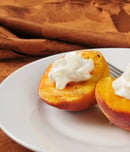
National Peaches ‘N’ Cream Day
Incredibly simple but oh so delicious, the combination of peaches and cream is sure to delight your friends and family, not to mention your own taste buds.
- Australia
- Canada
- United States

National Turkey Lovers’ Day
No need to wait until Thanksgiving to enjoy a delicious turkey. This is your chance to do up a bird in the oven, gather your friends and family, and dig in.
- Canada
- United Kingdom
- United States
Seize Every Day
Join free for personalised recommendations, email reminders and exclusive guides. Never miss a day.