

Seeing the world is something many people take for granted until road signs turn to smudges, menus become a guessing game, or the day ends with tired, aching eyes. National Eyewear Day spotlights just how much glasses, contacts, and protective lenses do for millions of people who rely on them to read, drive, work, create, and relax.
They are not just tools for better sight; they shape confidence, style, and daily experiences. A favorite pair of frames can feel like a signature, while the right lenses can make fine details pop back into focus, from tiny craft stitches to the subtle expressions on a loved one’s face.
Eyewear also sits at the intersection of comfort and identity: some people love a bold look, others want their frames to disappear, and many enjoy switching styles the way they switch shoes.
Beyond fashion and convenience, this day is a nudge to take eye health seriously. Vision can change so gradually that it becomes “normal” to squint, hold a phone at arm’s length, or power through headaches.
Regular check-ups can catch small issues early, confirm that a prescription is still accurate, and bring attention to broader eye health concerns that might not be obvious in everyday life.
Many people do not realize how much strain their eyes are under every day, from prolonged screen use to bright sun, dry indoor air, and late-night reading. Taking care of your eyes often means clearer vision, fewer headaches, and a better quality of life. National Eyewear Day is not just about celebrating glasses. It is about making it easier, safer, and more comfortable to see the world at its best.
How to Celebrate National Eyewear Day
National Eyewear Day offers a fantastic opportunity to celebrate the significance of eyewear in our lives. Here are several engaging ways to mark this special occasion:
Schedule an Eye Exam
Prioritize eye health by booking a comprehensive eye exam with an eye care professional. An exam is not only about reading letters across a room. It often includes checks for how well both eyes work together, whether the eyes focus smoothly at different distances, and whether there are early signs of conditions that can affect vision over time.
It can also be a practical reset. People sometimes adapt to poor vision without realizing it by increasing screen brightness, leaning closer, or avoiding night driving. Common hints that an exam might be overdue include frequent headaches, blurry distance or near vision, eye fatigue after screen time, trouble reading small print, squinting, or feeling like one eye does more work than the other.
For those who already wear glasses or contacts, an updated prescription can make daily life easier than expected. A small adjustment in lens power, a tweak in astigmatism correction, or a change in how lenses are centered can mean less strain and sharper clarity.
Refresh Your Eyewear Collection
Consider updating a look with a new pair of glasses or sunglasses, especially if current frames are loose, scratched, or no longer fit the way they should. Fit matters more than many people think. Frames that slide down the nose can push people into awkward head tilts.
Temples that pinch can cause soreness behind the ears. Lenses that sit too far from the eyes or too low on the face can reduce the usable “sweet spot,” particularly with progressives.
Modern eyewear also offers more options than ever:
- Lens coatings: Anti-reflective coatings can reduce glare from overhead lights and screens, helping eyes feel more comfortable and making lenses look clearer in photos.
- Photochromic lenses: These can darken in brighter conditions, offering convenience for people who move in and out of sunlight often.
- Polarized sunglasses: Useful for cutting glare from water, pavement, and other reflective surfaces, making outdoor time more comfortable.
- Blue-light filtering lenses: Some people find them helpful for screen-heavy days, especially when paired with better habits like taking breaks and adjusting lighting.
Refreshing eyewear can also mean choosing something that matches how life is actually lived. A lightweight pair for long workdays, a sturdy pair for active hobbies, or a dedicated pair of prescription sunglasses can make routine tasks smoother and safer.
Share Your Eyewear Style
Celebrate by sharing a photo wearing a favorite pair of frames and talking about why they matter, whether it is a confidence boost, a comfort upgrade, or a practical “can’t-live-without-it” tool. Some people enjoy showing a small evolution: the first pair of glasses, the bold experimental phase, and the current everyday favorite.
For a more meaningful spin, the post can highlight a real benefit, such as being able to read comfortably again, reducing headaches, or finally finding frames that fit a smaller or wider face. It is also a chance to normalize eyewear for kids and teens who may feel self-conscious. Plenty of people wear glasses, and many love them.
Donate Gently Used Eyewear
Contribute to those in need by donating gently used glasses through local drop boxes, community drives, or organizations that collect and distribute eyewear. A pair of glasses that is sitting unused in a drawer can make a noticeable difference for someone who cannot easily access eye care.
To make a donation more helpful, it is worth taking a few minutes to prepare the eyewear:
- Clean the frames and lenses gently.
- Place them in a protective case if possible.
- Donate both prescription glasses and sunglasses, since eye protection matters too.
- Include newer pairs that no longer match a current prescription. Many programs sort, refurbish, and route glasses based on need.
Donating is also a good reminder to avoid “just in case” clutter. Keeping one backup pair can be smart, especially for travelers, but a stack of older pairs usually helps more people when it leaves the drawer and enters a collection program.
Educate Yourself and Others
Take time to learn about the importance of eye health and the role of eyewear in protecting vision, then share that knowledge in everyday ways. This can be as simple as reminding a friend to replace heavily scratched lenses or encouraging a family member to get an exam if they have been struggling to see clearly.
A few easy, widely useful eye-care habits include:
- Follow the 20-20-20 break idea during screen time: periodically look at something farther away to give focusing muscles a rest.
- Pay attention to lighting: harsh overhead light and screen glare can increase strain. Softer, indirect light often feels better.
- Wear UV-protective sunglasses outdoors: eyes can be affected by sunlight just like skin can, and quality lenses can make outdoor time more comfortable.
- Keep eyewear clean: oils and dust reduce clarity and can create extra glare, leading to more squinting.
- Use contacts safely: good hygiene, proper cleaning, and not overwearing lenses are foundational for comfortable, healthy eyes.
Education does not have to be clinical. It can be a casual conversation about how much easier life is with the right prescription or a friendly reminder that vision changes can be gradual, not dramatic.
National Eyewear Day Timeline
First Wearable Eyeglasses Appear in Italy
Artisans in northern Italy produce the first recognizable wearable eyeglasses, with convex lenses mounted in frames held by hand or balanced on the nose to aid farsighted monks and scholars.
Benjamin Franklin Develops Bifocal Glasses
Seeking relief from switching between distance and reading spectacles, Benjamin Franklin devised bifocals by combining lenses of two different powers in a single frame, an idea that spread gradually through the 19th century.
Commercial Sunglasses Begin to Emerge
Colored lenses had existed for centuries, but by the late 19th century, manufacturers began selling smoked and tinted spectacles as practical protection from bright light, especially for outdoor workers and travelers. [1]
Polaroid Introduces Polarized Sunglasses
Edwin H. Land’s polarizing filter technology is applied to sunglasses, sharply reducing glare and helping to establish sunglasses as both protective equipment and a fashionable accessory.
First Modern Corneal Contact Lens Is Patented
Kevin Tuohy files a U.S. patent for a small corneal contact lens made of plastic that covers only the cornea rather than the entire eye surface, paving the way for more comfortable, mass‑produced contact lenses.
Introduction of Lightweight Plastic Eyeglass Lenses
The French company Essel (later part of Essilor) brings to market CR‑39 plastic lenses, which are much lighter and more impact-resistant than traditional glass, transforming everyday comfort and expanding frame design options.
Rise of High‑Index, Progressive, and UV‑Blocking Lenses
Advances in materials and lens design lead to thinner high‑index lenses, widespread use of progressive (no‑line bifocal) designs, and routine incorporation of UV‑blocking and anti‑reflective coatings in prescription eyewear.
History of National Eyewear Day
National Eyewear Day began in 2016 and was created by Zyloware Eyewear, a company rooted in the optical industry. The day was launched to highlight the importance of eye health and the role eyewear plays in daily life, from practical vision correction to protection and personal style.
The date, June 6, was selected to honor the birthday of Joseph Shyer, Zyloware’s founder. Tying the observance to an industry figure also emphasizes that eyewear is not only a consumer product but part of a broader professional ecosystem that includes optometrists, opticians, lens makers, and frame designers.
Together, they help people see clearly and comfortably, often through a surprisingly personalized process of measurement, fitting, and fine-tuning.
The awareness message is straightforward: eyesight deserves attention, not just when something feels “wrong,” but as a normal part of overall wellness. Many people get used to small vision changes, assuming headaches, squinting, or fatigue are just part of busy life. National Eyewear Day encourages people to treat clear vision as something worth maintaining.
It also draws attention to what modern eyewear has become. Glasses used to be viewed mainly as a necessity. Now they often function as both medical device and daily accessory. Frame materials have expanded from traditional metal and acetate to lightweight blends designed for comfort.
Lenses can be customized in ways that earlier generations could only imagine, with options that help reduce glare, handle different viewing distances, or transition between indoor and outdoor environments.
The day further serves as a reminder that eyewear is not limited to one purpose. Different situations call for different solutions:
- Prescription glasses can correct nearsightedness, farsightedness, astigmatism, and age-related focusing changes.
- Contact lenses offer an alternative for those who prefer not to wear frames, and they come in daily, biweekly, and monthly options, plus specialized designs for certain visual needs.
- Sunglasses protect against bright light and can offer UV protection, which matters for long-term eye comfort and health.
- Specialty lenses can support tasks like extended reading, detailed computer work, or driving, where glare control and sharp contrast are especially valuable.
Since its introduction, National Eyewear Day has gained recognition among eye care professionals, eyewear brands, and everyday people who enjoy celebrating a surprisingly impactful part of daily life. Social media campaigns, in-store events, and community outreach efforts often revolve around simple themes: schedule an exam, protect eyes from strain and sun, and appreciate the blend of function and style that eyewear provides.
In the end, the day’s story is not just about frames on a shelf. It is about the quiet, constant work eyes do and the practical tools that help them do it better. Eyewear supports learning, safety, creativity, and connection, often in ways that only become obvious when someone finally puts on the right pair and realizes how crisp the world can look.
National Eyewear Day Facts
Eyeglasses May Have Originated in 13th-Century Italy
The earliest wearable eyeglasses are widely believed to have appeared in northern Italy in the late 1200s, likely around Pisa or Florence, where artisans mounted convex lenses into frames that could balance on the nose.
References from a 1306 sermon by Dominican friar Giordano da Pisa mention eyeglasses as a relatively new invention, and by the 14th century, Italian glassmakers in Venice and Florence were producing spectacles in significant numbers.
Uncorrected Poor Vision Affects Over 2 Billion People
The World Health Organization estimates that at least 2.2 billion people worldwide have a near or distance vision impairment, and nearly half of these cases could have been prevented or have not yet been addressed with basic eye care or simple corrective lenses.
Uncorrected refractive errors, which can often be fixed with glasses, remain the leading cause of vision impairment globally.
Myopia Is Rising Rapidly in Urbanized East Asia
Several large studies in East and Southeast Asia have found that in some highly urbanized areas, up to 80–90 percent of teenagers and young adults are now myopic, a dramatic increase compared with previous generations.
Researchers link this surge not only to near work such as reading and digital device use, but also to reduced time spent outdoors during childhood, which appears to slow the onset and progression of nearsightedness.
Simple Glasses Can Boost School Performance
Randomized trials in low- and middle-income countries have shown that providing schoolchildren with basic prescription eyeglasses can significantly increase test scores and classroom participation.
In one large study in rural China, students who received free glasses experienced improvements in academic performance comparable to several additional months of schooling, highlighting how critical corrected vision is for learning.
Correcting Vision Improves Economic Productivity
Research in multiple countries has found that giving workers appropriate prescription glasses can substantially increase productivity, especially in visually demanding tasks.
A randomized controlled trial among Indian tea pickers, for example, reported that providing suitable eyewear increased worker productivity by about 20 percent on average, demonstrating that clear vision is not only a health issue but also an economic one.
UV-Protective Sunglasses Help Prevent Eye Disease
Chronic exposure to ultraviolet radiation is associated with a higher risk of cataracts, pterygium, and certain retinal conditions, which is why eye health organizations strongly recommend sunglasses that block 99 to 100 percent of UVA and UVB rays.
Protective eyewear, including wraparound sunglasses and broad-brimmed hats, can significantly reduce UV reaching the eyes and surrounding skin.
Contact Lenses Sparked Advances in Materials Science
The evolution from early glass and hard plastic contact lenses to today’s soft, breathable versions drove major innovations in polymer chemistry and materials science.
Modern hydrogel and silicone hydrogel lenses are engineered to hold water and transmit high levels of oxygen to the cornea, reducing complications and making long-term wear more comfortable and safer than earlier designs.
National Eyewear Day FAQs
How often should adults have their eyes examined?
Most eye care organizations recommend that healthy adults have a comprehensive eye exam at least every two years, and every year after age 60, even if they do not notice vision problems.
People who wear glasses or contact lenses, have diabetes, high blood pressure, a family history of eye disease, or other risk factors are usually advised to have annual exams so that changes in vision or early signs of conditions like glaucoma, cataracts, or macular degeneration can be caught and treated promptly. [1]
Does using glasses or contact lenses make eyesight weaker over time?
Wearing correctly prescribed glasses or contact lenses does not make eyesight weaker; it simply allows the eyes to focus light properly so that vision is clearer.
Changes in prescription usually happen because the eyes themselves are changing with age, genetics, or health conditions, not because vision has “become dependent” on lenses.
Eye doctors stress that avoiding needed correction can actually cause more eye strain and discomfort, even though it does not prevent the underlying change in vision.
Do blue light blocking glasses really help with digital eye strain?
Digital eye strain is mainly caused by long periods of focusing at near distances, reduced blinking, and poor ergonomics, rather than blue light alone.
Studies reviewed by major ophthalmology groups have not shown strong evidence that blue light blocking lenses reduce symptoms like headaches or tired eyes for most people.
Instead, experts recommend frequent breaks, proper screen distance and posture, and adjusting lighting and screen brightness, while blue‑filter lenses may be a personal comfort choice rather than a proven medical need.
What level of UV protection should sunglasses provide to protect eye health?
Eye health organizations advise choosing sunglasses that block 99 to 100 percent of both UVA and UVB rays, often labeled as “UV400,” to help protect the eyes and surrounding skin from sun damage.
Adequate UV protection can lower the risk of cataracts, certain eye cancers, and growths on the eye surface, and it is important year-round, not just in summer, because UV radiation can reflect from water, sand, snow, and pavement even on cloudy days.
Wraparound or larger frames can offer additional protection by limiting light entering from the sides.
Can children safely wear contact lenses, or are glasses always better for them?
Children and teenagers can safely wear contact lenses when they are mature enough to handle cleaning, insertion, and removal correctly, and when they are closely guided by an eye care professional.
Contacts may be useful for active kids or those who dislike glasses, but poor hygiene and overnight wear with lenses not designed for sleeping can increase the risk of serious eye infections.
Many pediatric eye specialists suggest that families start with glasses and consider contacts only when the child consistently shows good hygiene and responsibility.
Is it harmful to buy ready‑made reading glasses instead of getting a prescription?
Pre‑made reading glasses from stores can be a simple, inexpensive option for adults who only need help focusing at close distances and have the same prescription in both eyes.
However, they do not account for differences between the eyes, astigmatism, or underlying conditions, and they cannot replace a full eye exam that checks eye health.
Eye care professionals often say that over‑the‑counter readers are acceptable for temporary or light use, but anyone with persistent symptoms, headaches, or unequal vision between the eyes should be properly examined and fitted.
Why is access to basic eyeglasses considered a global health issue?
Uncorrected refractive errors, such as nearsightedness and farsightedness, affect hundreds of millions of people worldwide and can limit education, employment, and safety when simple glasses could restore functional vision.
Public health agencies note that affordable eye exams and basic spectacles are among the most cost‑effective health interventions, yet many low‑ and middle‑income regions lack trained eye care providers and supply chains.
Expanding access to eyewear is viewed as a way to improve learning outcomes, productivity, and quality of life on a large scale.


You may also like
National Sunglasses Day
Pop on your favorite sunglasses and protect your eyes from the harsh light of day, protect your forehead from squint-based wrinkles, and look cool doing it.
Shades Day
Celebrate Shades Day by wearing sunglasses, raising funds, and supporting Family Holiday Charity in giving struggling families a much-needed break.

Shades for Migraine
Shades for Migraine invites people to wear sunglasses in solidarity, raising global awareness of light sensitivity and the real impact of migraine.
International Nystagmus Awareness Day
International Nystagmus Awareness Day boosts understanding of involuntary eye movement, promotes inclusion, and encourages support, advocacy, and research.
National days and holidays on June 6
Vivid Sydney
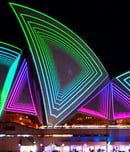
Vivid Sydney is a dazzling celebration that transforms the city into a vibrant playground of lights, music, and creativity. For weeks, iconic landmarks and urban spaces glow with stunning light installations and 3D projections, captivating both locals and tourists. This festival draws millions of visitors each year, offering an enchanting...

The Big Lunch
The Big Lunch is a beautiful day filled with community spirit. This annual event is like an enormous block party, where the tantalizing fragrances of home-cooked delicacies mingle with music and laughter. The event means sharing meals. It also means making new - or renewing - heartwarming connections. As...

National Applesauce Cake Day
Celebrate National Applesauce Cake Day with moist, spice-kissed applesauce cake, creative baking, and shared slices that honor a comforting, historic dessert.
National Yo-Yo Day
Celebrate National Yo-Yo Day by exploring tricks, parties, contests, and history that honor this classic toy, its culture, and its surprising global legacy.
Seize Every Day
Join free for personalised recommendations, email reminders and exclusive guides. Never miss a day.