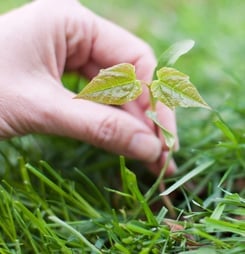

Festival of Life in Cracks Day celebrates nature’s surprising ability to flourish in unlikely places. This holiday focuses on finding beauty in the little green sprouts, flowers, and weeds that push through cracks in sidewalks or forgotten corners of cities.
It’s about recognizing that even in tough, overlooked spaces, life can still thrive. This type of life sends a powerful message of resilience and growth.
This day encourages people to look at their surroundings with fresh eyes. Cracks in the pavement, which usually go unnoticed, become symbols of life’s determination.
The celebration reminds everyone to pause and appreciate these small signs of life that often hide in plain sight. It’s a joyful acknowledgment that beauty exists even in the most unexpected places.
Festival of Life in Cracks Day Timeline
Early Studies of City “Weeds”
Plant ecologists begin documenting wild plants in vacant lots, walls, and pavement edges of European and North American cities, treating them as communities adapted to human-made habitats rather than mere nuisances.
Urban Ecology Emerges as a Field
Researchers formally frame “urban ecology” as a subdiscipline of ecology, focusing on how plants and other organisms survive and interact in dense built environments full of asphalt, concrete, and fragmented green space.
Long‑Term Urban Ecology Research Sites
The U.S. National Science Foundation launches long‑term ecological research programs in cities such as Baltimore and Phoenix, including studies of spontaneous vegetation in alleys, lots, and sidewalk cracks.
“Profiles of Spontaneous Urban Plants” Project
Designers and ecologists in New York City publish “Profiles of Spontaneous Urban Plants,” highlighting tough species that colonize sidewalk joints, road verges, and neglected corners, and arguing they provide beauty and ecological services.
Road‑Crack Vegetation Survey in Japan
A detailed survey in Fukuoka, Japan records more than 100 plant species growing in curbside road cracks, demonstrating that these tiny fissures form important microhabitats and unexpected reservoirs of urban biodiversity.
Pavement‑Crack Flora in North America
Environmental historians describe how plants thriving in cracks of sidewalks and parking lots across eastern Canada and the northeastern United States reveal changing urban conditions and offer cues about soil, salt, and disturbance.
Citizen Science on Pavement Plants
Leiden University’s “Stoepplantjes” citizen‑science project in the Netherlands invites residents to record plants growing between paving stones, showing that pavement flora make up a large share of urban plant diversity and reshaping public attitudes toward “weeds.”
How to Celebrate Festival of Life in Cracks Day
The Festival of Life in Cracks Day encourages finding beauty in unexpected places, like plants sprouting through cracks in sidewalks.
This holiday inspires people to appreciate the small but powerful signs of life and offers plenty of creative ways to join in the fun. Here are a few suggestions on how to embrace this day’s unique charm:
Explore Nature’s Resilience
Take a walk through your neighborhood, searching for tiny plants pushing through cracks in the pavement.
Bring a magnifying glass to zoom in on these small, tenacious wonders. You can even photograph these little breakthroughs and create a personal “Life in Cracks” photo collection to admire how nature finds a way to thrive.
Host a Cracks Art Show
Gather friends, neighbors, or kids for an outdoor art project. Use chalk to draw colorful flowers, vines, and plants around sidewalk cracks or even create a mini-exhibit of found natural objects like twigs, pebbles, and wildflowers.
This is a fun way to highlight the beauty that often goes unnoticed beneath our feet.
Plant Some Positivity
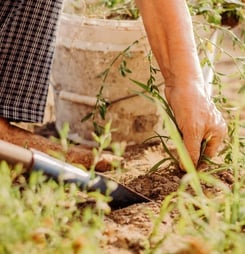
Bring the spirit of the day into your garden or home by planting seeds or small flowers in tiny pots. Choose plants known for their ability to grow in tricky places, like succulents or wildflowers.
If you don’t have a garden, you can adopt a local crack in the pavement, gently tending the life that grows there.
Write Cracked Poetry
Feel inspired by life’s ability to bloom in the toughest conditions? Channel that energy into creative writing!
Compose short poems or haikus about the persistence of life in unlikely spaces. Share your poetry with friends or post it online using the hashtag #LifeInCracksDay to spread awareness of this day’s positive message.
Support Local Green Spaces
Find a local park, community garden, or green space that might need a little love and volunteer to help clean or plant there.
Even small actions can help sustain these vital areas. Bonus points if you focus on spaces where life naturally breaks through the concrete jungle.
History of Festival of Life in Cracks Day
The exact origins of Festival of Life in Cracks Day are unclear, and no specific person is credited with starting it.
This unique celebration seems to have emerged from the idea of appreciating small but powerful signs of life, especially those that appear in unlikely places like sidewalk cracks. It has grown to symbolize resilience and the beauty found in nature’s persistence.
.While the official beginning of the festival remains uncertain, it likely evolved as communities embraced the arrival of spring.
The day encourages people to stop and admire the tiny plants and flowers pushing through concrete, serving as a metaphor for life’s determination.
Each year, more people join in, appreciating the simple but inspiring message behind the festival.
Facts About Festival of Life in Cracks Day
Sidewalk Cracks Create Their Own Mini Soil
What looks like bare concrete is often a tiny, self-made habitat. Studies of urban sidewalk vegetation have found that cracks gradually fill with windblown dust, decaying leaves, pet waste, and other organic debris, creating a narrow but surprisingly rich rooting medium that can support dozens of plant species in a single city.
Weeds in Pavement Can Be Ecological Pioneers
Many of the plants that appear in pavement cracks are “pioneer species,” the first organisms to colonize harsh, disturbed places.
These tough plants, including small grasses, mosses, and dandelion-like composites, tolerate drought, heat, and poor soils, and begin the ecological succession process that can eventually lead to more complex plant communities.
Cracked Ground Helps Seeds Take Hold
Cracks do not just give roots space to grow; they also trap seeds.
Research in coastal saltmarshes has shown that mud cracks catch and hold seeds, leading to earlier germination and higher densities of pioneer plants inside the cracks compared with the surrounding flat ground, a pattern ecologists see in other cracked surfaces as well.
Tiny Urban Plants Support Hidden Biodiversity
Spontaneous vegetation in cities, including plants in sidewalks and walls, contributes quietly to urban biodiversity.
A survey of “greens in the gaps” found that these overlooked plants can stabilize soil, offer nectar and pollen for insects, and provide low-maintenance greenery in space-limited, drought-prone neighborhoods where conventional landscaping is difficult.
Cities Can Harbor Surprising Numbers of At‑Risk Species
Urban nature is not just ornamental; it can be a refuge.
A global review reported that cities in Australia host around 30 percent of the country’s imperiled plant and animal species, showing that even fragmented patches of vegetation, including small cracks and vacant lots, can matter for regional conservation if they are allowed to persist.
Most Sidewalk Cracks Come Before the Roots
Plants pushing through broken pavement are often blamed for causing damage, but research on street trees suggests they usually take advantage of weaknesses that are already there.
A geospatial analysis of sidewalks in southeastern Idaho found that in older neighborhoods only about 17 percent of cracks were directly associated with tree roots, with soil movement and construction defects responsible for most of the rest.
Everyday “Weeds” Are Specialists in Disturbance
Many common plants that sprout from concrete joints and road edges are classified as ruderal species, adapted to colonize disturbed, nutrient-poor sites at high speed.
They often produce huge numbers of seeds, germinate quickly in bare patches, and can grow in little more than a sliver of soil, which is why the same few species are frequently seen thriving in cracks across many different cities.