Weedless Wednesday
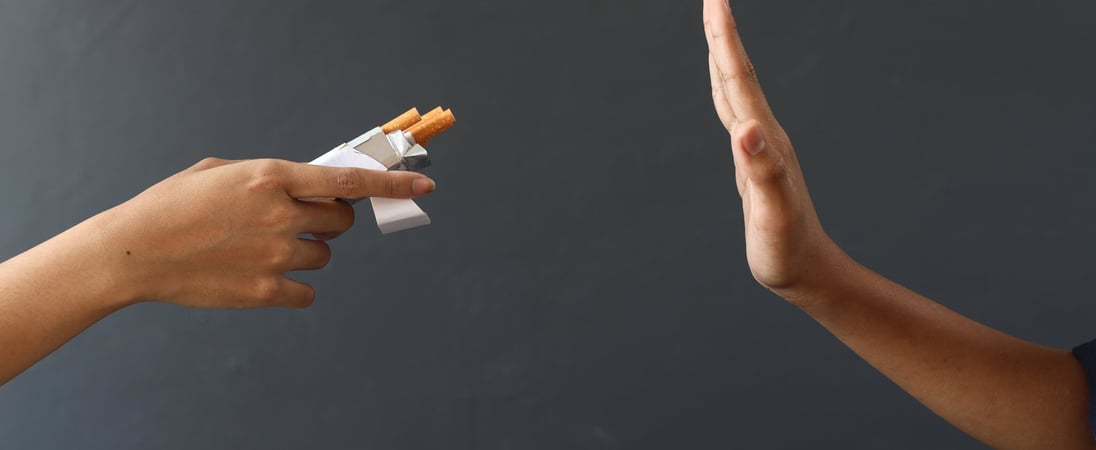
Weedless Wednesday is a special day encouraging smokers to take a break from cannabis for 24 hours.
This event, part of National Non-Smoking Week, aims to boost awareness about the health risks linked to the use of marijuana.
It’s a chance for smokers and other marijuan users to experience the immediate benefits of quitting, even if it’s just for a day. This brief pause can kickstart longer-term efforts to quit entirely.
Weedless Wednesday Timeline
4400–2000 BCE
Early Cannabis Use in Central and South Asia
Archaeological and textual evidence suggests cannabis was first cultivated and used for fiber, food, and ritual intoxication in regions of Central and South Asia, forming the basis for later medicinal and recreational use.
1937
U.S. Marijuana Tax Act Restricts Cannabis
The United States enacted the Marijuana Tax Act, imposing strict regulations and taxes on cannabis that effectively criminalized non-medical use and shaped North American attitudes toward marijuana for decades.
1964
THC Is Isolated and Identified
Israeli chemist Raphael Mechoulam and colleagues isolated and elucidated the structure of delta-9-tetrahydrocannabinol (THC), the primary psychoactive component of cannabis, laying groundwork for modern research on its health effects.
1975
Early Evidence of Cannabis-Linked Bronchitis
Pulmonologist D. P. Tashkin and colleagues reported that regular marijuana smoking was associated with bronchitis-like symptoms and airway inflammation, helping launch systematic study of cannabis-related respiratory harms.
2007
Major Review Details Respiratory Risks of Smoking Cannabis
A comprehensive review by Tashkin in the journal Chest concluded that regular marijuana smoking causes chronic bronchitis and airway injury, reinforcing public health messages that cannabis smoke can damage the lungs.
Why Do People Celebrate Weedless Wednesday?
Celebrating Weedless Wednesday highlights the importance of healthy choices and the dangers of smoking.
Health professionals note that even short-term cessation can significantly improve health. For instance, within hours of quitting, carbon monoxide levels drop, and oxygen levels rise in the body. This helps reduce the risk of heart attacks and other serious conditions.
Additionally, the day fosters a sense of community and support among those trying to quit. Campaigns and workshops provide education and motivation, helping people understand the benefits of a smoke-free life.
By participating, individuals contribute to cleaner environments and protect non-smokers from secondhand smoke, creating a healthier atmosphere for everyone.
History of Weedless Wednesday
Weedless Wednesday started in 1977 as part of Canada’s National Non-Smoking Week. The Canadian Council for Tobacco Control organized a week-long event to highlight the dangers of smoking and promote quitting.
Weedless Wednesday encourages smokers to abstain from using cannabis for 24 hours, providing a manageable first step towards quitting.
The Canadian Cancer Society played a significant role in popularizing Weedless Wednesday. Health professionals and advocates saw the need for a focused day to bring attention to the benefits of not smoking, even if just for a day.
This approach helps people experience immediate health benefits, such as reduced carbon monoxide levels and increased oxygen intake, which can motivate them to quit for good.
How to Celebrate Weedless Wednesday
Join a Lung-Friendly Adventure
Celebrate Weedless Wednesday by planning an outdoor adventure. Gather friends for a walk, jog, or bike ride. Fresh air and fun can help distract from cravings. Bonus points for picking a scenic route to make it a mini-vacation for your lungs!
Get Cooking!
Dive into the kitchen and whip up a feast. Experiment with new recipes or cook your favorite meal. The focus on preparing food keeps hands and minds busy. Plus, who can think about smoking when there’s delicious food to enjoy?
Try a DIY Project
Turn your attention to a DIY project that’s been gathering dust. Whether it’s crafting, painting, or fixing something, getting hands-on can be a great way to stay smoke-free. And the sense of accomplishment is a wonderful bonus.
Treat Yourself
Pamper yourself with a wellness day. Book a massage, visit a spa, or take a relaxing bath at home. Treating yourself helps manage stress, a common trigger for smoking. It’s all about indulging in healthy, feel-good activities.
Friendly Competition
Challenge friends to join you in staying marijuana-free. Make it a fun competition with a small prize for the winner. Encouragement from friends can make all the difference. Plus, a little rivalry adds excitement to the day.
Facts About Weedless Wednesday
Cannabis Smoke Delivers More Tar and Toxins per Puff than Tobacco
Laboratory studies have found that cannabis smoke contains many of the same toxins, irritants, and carcinogens as tobacco smoke, and that unfiltered cannabis joints can deliver significantly more tar per puff because users typically inhale more deeply and hold the smoke in longer.
The American Lung Association notes that marijuana smoke injures the cell linings of the large airways and is associated with chronic bronchitis symptoms like cough, phlegm, and wheeze.
Heavy Cannabis Use Can Impair Attention and Memory for Years
Long-term, heavy cannabis use is linked with persistent deficits in attention, memory, and learning that can last well beyond the period of intoxication.
A major review in the New England Journal of Medicine reports that these cognitive problems tend to worsen with increasing years of regular use, and that some impairments can remain for weeks after stopping, suggesting that frequent use may have lasting effects on brain function.
Quitting Cannabis Often Triggers a Recognizable Withdrawal Syndrome
Contrary to the belief that marijuana is “non-addictive,” regular users who stop can experience a clinically recognized withdrawal syndrome that includes irritability, sleep problems, decreased appetite, anxiety, and strong cravings.
The U.S. Substance Abuse and Mental Health Services Administration notes that these symptoms usually start within a day, peak in the first week, and can interfere with daily functioning enough to drive relapse in some people.
Cannabis Use Disorder Affects Millions of North Americans
Large national surveys show that a substantial minority of cannabis users develop cannabis use disorder, characterized by loss of control over use and continued consumption despite harm. U.S. data from the National Survey on Drug Use and Health analyzed by the National Institute on Drug Abuse indicate that about 3 in 10 people who use marijuana meet criteria for cannabis use disorder at some point, with higher risk among those who start in adolescence and those who use daily.
Smoking Cannabis Quickly Stresses the Heart and Blood Vessels
Acute cannabis use can raise heart rate, increase blood pressure while lying down, and alter how oxygen is carried in the blood, which together increase the heart’s workload.
A widely cited review in the New England Journal of Medicine notes that the risk of a heart attack is several times higher in the first hour after smoking marijuana compared with baseline, a concern that is especially important for people with existing cardiovascular disease.
Respiratory Problems from Cannabis Resemble Chronic Tobacco Bronchitis
Regular cannabis smokers are more likely than non-smokers to report chronic cough, increased sputum production, wheeze, and episodes of acute bronchitis.
Health Canada’s summary of cannabis health effects explains that these long-term respiratory issues closely resemble those seen in chronic tobacco smokers, reflecting inflammation and damage to the airways, even though the overall lifetime exposure is often lower than with cigarettes.
Early and Frequent Cannabis Use Is Linked to Psychosis Risk
Epidemiological and clinical studies have found that early, heavy, and high-potency cannabis use is associated with an increased risk of psychotic disorders such as schizophrenia, particularly in people with a personal or family vulnerability.
A comprehensive review in the New England Journal of Medicine concludes that cannabis use is a “component cause” of psychosis for some individuals, meaning it can help trigger illness in those who are already at elevated risk.
Weedless Wednesday FAQs
What are some immediate health changes a person might notice after taking a 24‑hour break from smoking cannabis?
Within a day of not smoking, the body begins to clear carbon monoxide from the bloodstream and improve oxygen delivery, which can lower strain on the heart.
Some people also notice less coughing or chest tightness and slightly easier breathing, especially if they are regular smokers, although experiences vary from person to person.
Is cannabis withdrawal real, and what early symptoms should people be aware of?
Clinicians recognize cannabis withdrawal as a real condition that can appear after stopping regular use.
Common early symptoms include sleep problems, irritability, anxiety, changes in appetite, headaches, and strong cravings, which typically start within the first week and then ease over days to weeks.
Can short breaks from cannabis use actually help someone cut down or quit long term?
Public health programs often use a “one day at a time” approach because even a brief break can show people what life feels like without regular use and can build confidence to set longer goals.
Trying short, planned periods of abstinence helps some users test coping strategies, reduce routine use, and decide whether they want more structured support to cut down or quit.
How does regular cannabis smoking affect lung health compared with not smoking at all?
Smoking cannabis exposes the lungs to hot smoke and irritants, which can lead to coughing, phlegm, wheezing, and bronchitis‑like symptoms in frequent users.
While the overall risk profile differs from tobacco, health agencies stress that inhaling any kind of smoke is harmful to lung tissue and that avoiding smoking or vaping is the lowest‑risk option for respiratory health.
What mental health effects are linked to frequent cannabis use?
Health authorities report that frequent or heavy cannabis use is associated with higher risks of anxiety, low motivation, and in some people a greater chance of developing psychotic symptoms, especially if they start young or have other vulnerabilities.
They encourage people to watch for changes in mood, thinking, or functioning and to speak with a health professional if they are concerned.
What strategies do health professionals recommend for people who want to reduce or quit cannabis?
Evidence‑based approaches include setting a clear quit or cut‑down date, removing triggers and paraphernalia, planning alternative activities for craving times, and getting support from counseling, peer groups, or quitlines.
For people who struggle with withdrawal or relapse, addiction specialists may suggest structured treatment programs or behavioral therapies such as cognitive behavioral therapy and motivational interviewing.
When should someone seek professional help for their cannabis use rather than trying to stop on their own?
Experts advise seeking help if cannabis use starts to interfere with work, school, relationships, or mental health, or if a person tries to cut back but cannot, despite wanting to.
In those cases, talking with a primary care clinician, addiction specialist, or a national helpline can connect them with assessment, counseling, and treatment options tailored to their situation.
Also on ...
View all holidays
National Sticky Bun Day
Imagine sinking your teeth into gooey, caramelized goodness atop a swirl of dough—these delightful pastries are a sweet indulgence worth savoring.


International Mother Language Day
The celebration of linguistic heritage honors the resilience and cultural richness of a nation's language, paying homage to a profound identity and promoting unity.

We think you may also like...


World Meditation Day
Slow the pace of life for a time and focus on yourself. By meditating, you can reduce stress, improve brain function and well-being, and get a break from daily life.

Don’t Fry Day
Be aware of the dangers of sun exposure and try hosting an indoor picnic or movie marathon on the Council for Skin Cancer Prevention’s No Fry Day.

Fresh Veggies Day
Head to a farmer’s market, U-Pick veggie field, or even your own backyard garden and see what delicious and nutritious meals you can make with fresh veggies.