

World Benzodiazepine Awareness Day brings attention to the hidden risks of medications often used for anxiety and sleep problems. These drugs can be helpful in the short term, but long-term use may lead to dependence and tough withdrawal symptoms.
Many people take them without knowing the full effects. This day encourages open discussions, helping individuals make informed choices about their health.
Highlighting these concerns pushes for safer prescribing and better support for those struggling with dependence.
Patients and doctors alike benefit from clear, honest conversations about these medications. Raising awareness leads to improved mental health care and stronger protections for those at risk.
How to Observe World Benzodiazepine Awareness Day
World Benzodiazepine Awareness Day provides an opportunity to educate and inform about the potential risks associated with benzodiazepine use. Here are several ways to participate:
Share Educational Materials
Distribute informative pamphlets in your community. Place them in libraries, clinics, or community centers. This helps spread awareness about benzodiazepine risks.
Organize Informative Events
Host a local seminar or webinar. Invite healthcare professionals to discuss safe medication practices. Such events can educate attendees on the importance of cautious benzodiazepine use.
Engage on Social Media
Use platforms like Facebook and Twitter to share facts and personal stories. Utilize the hashtag #WorldBenzoDay to reach a broader audience. This digital engagement fosters a global conversation.
Collaborate with Local Businesses
Partner with local businesses to set up information booths. Provide materials and answer questions. This community involvement enhances public understanding.
Advocate for Policy Change
Write to local representatives about the importance of benzodiazepine awareness. Encourage policies that promote safe prescribing practices. Advocacy can lead to meaningful change in healthcare systems.
History of World Benzodiazepine Awareness Day
World Benzodiazepine Awareness Day (W-BAD) began on July 11, 2016. Activists and individuals harmed by benzodiazepines initiated this day. They aimed to educate the public about the dangers of long-term benzodiazepine use.
The organizers chose July 11 to honor Professor C. Heather Ashton. She was a renowned expert in benzodiazepine withdrawal. Her work, including the “Ashton Manual,” has guided many in safely discontinuing these drugs.
Since its inception, W-BAD has grown into a global event. Each year, participants share personal stories and educational materials. They aim to raise awareness about the risks associated with benzodiazepines.
The day also encourages healthcare professionals to prescribe these medications cautiously. By doing so, they can help prevent dependency and withdrawal issues. This collaborative effort seeks to improve patient safety worldwide.
Through these combined efforts, W-BAD continues to shed light on the complexities of benzodiazepine use. The goal is to ensure safer prescribing practices and better patient outcomes.


You may also like
National Safety Dose Day
Discover how National Safety Dose Day promotes safe prescription use, opioid awareness, proper storage, and disposal to prevent misuse, overdose, and harm.

World Drug Day
Understanding the dangers and effects of substances is crucial for making informed choices and protecting your health.

National Healthcare Decisions Day
National Healthcare Decisions Day is an important event that encourages people to discuss and document their healthcare wishes. At its core, the day is about clarity. Medical emergencies can arrive with zero warning, and serious illness can make it hard to speak up in the moment. National Healthcare Decisions Day invites...
National Day of Action on Syringe Exchange
The National Day of Action on Syringe Exchange highlights the importance of syringe service programs (SSPs) in public health and harm reduction. These programs are practical, community-facing responses to a complicated reality: some people inject drugs, and the risks tied to unsafe equipment and unsafe disposal can ripple outward to...
National days and holidays on July 11
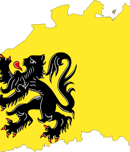
The Day of the Flemish Community
The Day of the Flemish Community is a vibrant celebration that highlights the cultural pride and unity of the Flemish people. It’s a day filled with festivities where the community gathers to honor their shared heritage. The event brings together people from all walks of life, creating an atmosphere of...

National Mojito Day
Rum, lime, simple syrup, club soda, ice and mint leaves: mix them together and share the refreshing cocktail known as a Mojito with friends or family.
- Cuba
- Spain
- United Kingdom
- and 1 more

National Free Slurpee Day
Hunt around for a vendor who’s celebrating free Slurpee day, and get your free icy drink in your favorite flavor. Try mixing a drink or adding ice cream for a bonus.

National Blueberry Muffin Day
Visit a bakery or get baking and share the joy of a fresh-baked blueberry muffin with your friends, family, or coworkers to brighten everyone’s day.
- Australia
- Canada
- United Kingdom
- and 1 more
Seize Every Day
Sign up to get reminders, recommendations and guides.