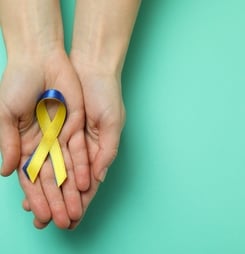

World Down Syndrome Awareness Day is a time to recognize people living with Down syndrome and appreciate their place in our communities. The condition appears when chromosome patterns develop differently, including trisomy, mosaic, or translocation forms.
Each person experiences emotions in their own way. Some moments feel bright, others may feel heavy. No one should feel pushed to appear cheerful all the time. This day encourages us to listen with care, learn with openness, and make room for honest expression.
Its purpose centers on understanding, access, and supportive surroundings. Many individuals study, work, create, explore, and follow personal interests. Disability is one aspect of identity, not a full description of a life.
Using respectful language affirms dignity and reminds us that everyone deserves to feel valued. When communities reduce barriers, confidence grows. When relationships are kind, belonging feels real. This day gently invites kindness, patience, and steady acceptance for all.
How to Celebrate World Down Syndrome Day
Learn Through Personal Stories
Spend time listening to individuals who live with Down syndrome share their own experiences. When we hear someone describe daily life in their own words, we begin to understand things more clearly. Personal stories can gently challenge assumptions and create space for empathy. Approach each conversation with openness and patience.
Support Inclusive Activities
Choose to participate in events or programs that welcome disabled individuals without conditions or barriers. Inclusive settings can be art classes, sports groups, book clubs, or local gatherings. Showing up with kindness helps create environments where everyone can join comfortably. Small, steady efforts make shared spaces stronger and more accessible.
Attend Local Awareness Events
Many organizations host talks, workshops, or community meet-ups during the month. Attending one event can create helpful learning moments and new perspectives. Being present signals care and recognition. These gatherings often highlight voices that deserve attention and reflection.
Share Accurate Information
Speak with friends or family about what Down syndrome actually is and how it affects development. Use trusted sources such as medical organizations and advocacy groups to check facts before sharing. Accurate information helps reduce confusion and dismisses unhelpful myths. Clear, thoughtful communication encourages understanding.
Celebrate Creative Expression
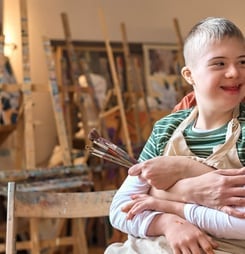
Look for artwork, music, writing, or performances created by disabled artists, including individuals who have Down syndrome. Enjoying and promoting creative expression affirms individuality and value. Purchasing art, attending shows, or sharing work online can uplift artists and highlight talent. Creativity often becomes a powerful way to tell stories and build community.
World Down Syndrome Day Timeline
John Langdon Down’s Clinical Description
British physician John Langdon Down published the first clear clinical description of the condition, distinguishing it from other causes of intellectual disability and noting a consistent set of physical features.
Human Chromosome Number Established
Researchers Joe Hin Tjio and Albert Levan determined that humans normally have 46 chromosomes, creating the baseline that later allowed scientists to identify trisomy 21 in Down syndrome.
Chromosomal Cause of Down Syndrome Identified
In work led by Jérôme Lejeune with Marthe Gautier and Raymond Turpin in Paris, scientists observed an extra chromosome 21 and published in 1959 that trisomy 21 is the cause of Down syndrome.
From “Mongolism” to “Down Syndrome”
In 1961, genetic experts wrote to The Lancet urging abandonment of the racist term “Mongolism,” and in 1965, the World Health Organization adopted “Down’s syndrome,” signaling a shift toward more respectful medical language.
U.S. Education for All Handicapped Children Act
The United States passed Public Law 94-142, requiring public schools that receive federal funds to provide a free appropriate education to children with disabilities, which opened the door to broader access and inclusion for students with Down syndrome.
History of World Down Syndrome Day
It all began as a grassroots effort. Around 2006, a global advocacy network led by Down Syndrome International (DSi) and local associations launched the idea of a day to raise awareness of Down syndrome.
Organisers chose the 21st day of the 3rd month—symbolising the triplication of chromosome 21—to represent the condition. During those early years, the movement gained momentum: campaigns, events, and social actions helped people understand the lives and rights of individuals with Down syndrome.
Then the effort moved into the international spotlight when the United Nations General Assembly adopted resolution A/RES/66/149 in December 2011 to declare 21 March as World Down Syndrome Day, effective from 2012.
This formal recognition asked all member states and organisations to observe the day and make it a moment to speak up for inclusion, equal access, and understanding.
Over time, the day has become a yearly global point of connection for people with Down syndrome, families, educators, advocates, and communities to share stories, push for rights, and remind us all that there is value in every life.