World Kidney Day
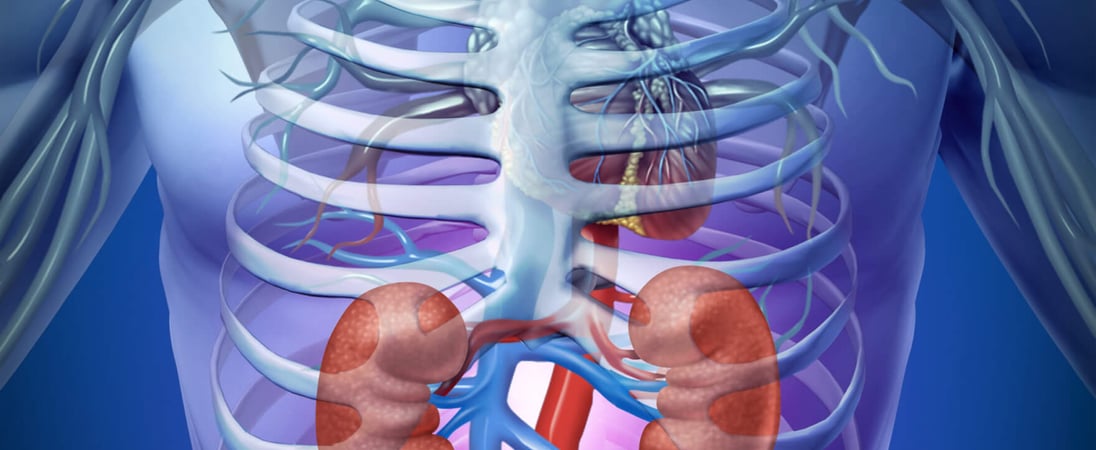
These amazing filters work tirelessly within, like nature's purifiers, maintaining a body's balance and health behind the scenes.
Are your kidneys ok? This seems to be the question that the International Society of Nephrology (ISN) and the International Federation of Kidney Foundations (IFKF).
These are the two organizations to create World Kidney Day. Education, evaluation, and donation are themes that tend to be stressed over the years since its creation.
How to Celebrate World Kidney Day
Across the world, celebrations take different forms, from free screenings to Zumba marathons! Is your community planning an event?
Celebrate by attending and learning more! Do you know what your personal risk for Chronic Kidney Disease is? If not, use this reminder to make an appointment to see your physician and find out.
According to worldkidneyday.org, there are 8 golden rules for kidney health.
- Keep regular control of your blood sugar. About 50% of people with Diabetes will develop kidney damage. Make sure you are doing all you can to stay in control!
- Keep fit and active. Staying active helps in many areas to keep your kidneys healthy as well as promotes a positive mood and weight loss.
- Eat healthily and keep your weight in check. Making good food choices will go hand in hand with staying active to reduce weight and encourage good health.
- Water, water, water! Keeping hydrated is good for your skin as well as your kidneys. Staying hydrated flushes the toxins out of the kidneys and reduces the chance of kidney stones.
- No Smoking! Smoking is bad in many ways, but for the kidneys, the chance of developing cancer in them increases by 50% for smokers.
- Stay away from over-the-counter medicine for chronic issues. Many over-the-counter medicines such as ibuprofen can harm your kidneys if taken regularly. It is ok to take for emergencies, but see a physician if you are having chronic pain for options that will not cause harm.
Celebrate World Kidney Day by learning more about your kidneys and how to keep them healthy and happy for years to come!
World Kidney Day Timeline
circa 1600 BCE
Earliest Recorded Description of the Kidneys
The ancient Egyptian Ebers Papyrus describes the kidneys and urinary passages, providing one of the first known written references to renal anatomy and disease.
1628
Harvey’s Circulation Theory Sets Stage for Renal Science
William Harvey’s publication on blood circulation clarifies how blood flows through the body, creating the physiological framework needed to understand kidney filtration and function.
1842
Bowman Describes the Renal Corpuscle
British physician William Bowman identifies and illustrates the capsule surrounding the glomerulus, later known as Bowman’s capsule, which helps define the nephron’s structure.
1844–1846
Henle Characterizes the Loop of Henle
German anatomist Friedrich Gustav Jacob Henle details the hairpin-shaped tubule in the nephron that now bears his name, explaining a key element of urine concentration.
1913–1917
Starling and Cushny Quantify Glomerular Filtration
Ernest Starling and Arthur Cushny applied physical principles to kidney function and proposed that urine formation begins with glomerular filtration, anchoring modern renal physiology.
1943–1945
Kolff Builds the First Practical Artificial Kidney
Dutch physician Willem Kolff designs and develops a rotating drum hemodialysis machine to treat patients with kidney failure, marking the beginning of the modern era of dialysis therapy.
1954
First Successful Human Kidney Transplant
Surgeon Joseph Murray and colleagues perform a kidney transplant between identical twins in Boston, proving organ transplantation can permanently replace failed kidneys.
History of World Kidney Day
World Kidney Day was first celebrated in 2006 asking the above question – Are Your Kidneys Ok?
The idea that there is great need to educate the world about the importance of kidney health, and reduce the impact of kidney disease and other health conditions associated with them, is what pushed the ISN and IFKF to team up and make a difference.
The goal that was established was to raise awareness of what our kidneys do and what can happen when they are not working properly.
They strive to teach the risk factors and bring screening to those at risk for Chronic Kidney Disease (CKD). Prevention is the main overall goal by teaching communities how to keep their risk factors as low as possible.
Respectfully, World Kidney Day is also about donation. Transplant professionals use the day to educate people on the need for organ donation.
This is a decision that if left until the last moment can be difficult and painful for families.
But individuals can easily make their wishes known and in the United States can identify this on their identification. These donations can bring the joy of life back to someone who is suffering from kidney disease.
World Kidney Day: The Body’s Silent Life Support
Your kidneys work quietly every minute, filtering, balancing, and protecting your body without drawing attention.
These essential organs do far more than produce urine—they regulate blood chemistry, support bone health, control blood pressure, and even help create red blood cells.
The facts below reveal the hidden power of the kidneys and why caring for them is vital for overall health and long-term well-being.
-
Hidden Jobs Kidneys Perform Every Minute
Beyond filtering blood, kidneys constantly fine-tune the body’s chemistry: each pair filters about 150–180 liters of plasma per day, recapturing nearly all water and nutrients while excreting only 1–2 liters as urine.
At the same time, they regulate acid–base balance by selectively secreting hydrogen ions and reabsorbing bicarbonate, helping to keep blood pH in the narrow range compatible with life.
-
Kidneys as Endocrine Organs, Not Just Filters
Kidneys are also hormone‑producing organs.
Specialized cells release erythropoietin, which signals the bone marrow to make red blood cells, and produce the active form of vitamin D (calcitriol) that is essential for calcium absorption and bone health.
They also generate renin, a key trigger in the renin–angiotensin–aldosterone system that helps control blood pressure and salt balance.
-
A “Silent Epidemic” Affecting One in Ten People
Chronic kidney disease is far more common than most people realize, affecting roughly 10 percent of the global population, or more than 850 million people, many of whom are undiagnosed because early stages often have no symptoms.
In 2019, kidney disease contributed to over 3.1 million deaths worldwide and has risen rapidly in the global rankings of causes of death and disability.
-
Kidney Failure Treatment Exists, but Most People Never Reach It
Dialysis and transplantation can replace much of kidney function, yet fewer than 1 in 10 people worldwide who need these treatments actually receive them.
Over 2 million people are on dialysis or living with a transplant, but this treated population is heavily concentrated in a handful of high‑income countries, leaving many in low‑ and middle‑income regions to die of untreated kidney failure.
-
The Kidney–Heart Connection
Kidney and heart health are tightly linked: people with chronic kidney disease are more likely to die from cardiovascular causes than to reach kidney failure.
Even mild reductions in kidney function or small amounts of albumin in the urine are associated with sharply higher risks of heart attack, stroke, and heart failure, which is why nephrology guidelines now treat CKD as a major cardiovascular risk factor.
-
Modern Dialysis Turned Kidney Failure from Fatal to Chronic
Long‑term dialysis is relatively recent. The first successful use of a primitive “artificial kidney” in a human was reported by Willem Kolff in the 1940s, but maintenance hemodialysis for chronic kidney failure only became feasible in the 1960s, with widespread expansion in high‑income countries after Medicare in the United States began covering end‑stage renal disease in 1972.
This policy shift transformed kidney failure from almost uniformly fatal into a chronic, treatable condition for many patients.
-
The First Successful Kidney Transplant Pioneered Modern Transplantation
Kidney transplantation opened the door for all solid‑organ transplants. In 1954, surgeons in Boston performed the first long‑term successful kidney transplant between identical twins, which avoided immune rejection and proved that organ replacement could restore health.
This breakthrough, followed by the advent of more powerful immunosuppressive drugs in the 1970s and 1980s, established kidney transplant as the preferred treatment for many people with end‑stage kidney disease.
World Kidney Day FAQs
What unusual historical beliefs are connected to kidney function?
Ancient Greeks believed kidneys were emotional centers of the body. Hippocrates, the “Father of Medicine,” theorized that kidneys influenced joy and sorrow.
In medieval times, physicians thought the kidneys’ shape symbolized their divine role in filtering both physical and spiritual impurities.
These ideas influenced medical practices for centuries, even though the actual anatomy and physiology of kidneys were not well understood until much later.
How do different countries uniquely celebrate World Kidney Day?
Celebrations vary globally. In Argentina, public screenings are common, while Malaysia hosts Zumba marathons to promote kidney health.
Is there a connection between World Kidney Day and organ donation awareness?
Yes, the day emphasizes the importance of organ donation. Transplant professionals use the occasion to educate the public about the need for kidney donations.
How do some traditional diets protect kidney health?
The Mediterranean diet, rich in olive oil, fish, fruits, and vegetables, is linked to lower rates of kidney disease.
Its anti-inflammatory properties reduce strain on the kidneys, helping them function efficiently.
Similarly, Japanese diets with miso soup and green tea focus on low sodium, which supports kidney health.
Traditional Indian cuisine often incorporates turmeric, known for its potential protective effects against inflammation and kidney stress.
How has World Kidney Day’s reach expanded since its inception?
The inaugural event in 2006 saw participation from 66 countries. Within two years, this number rose to 88, reflecting growing global engagement.
Are there any notable themes from past World Kidney Day campaigns?
Each year features a specific theme. For instance, the 2024 theme was “Kidney Health for All – Advancing Equitable Access to Care and Optimal Medication Practice.”
What creative awareness campaigns have been inspired by World Kidney Day?
In Italy, chefs partner with nutritionists to create kidney-friendly recipes for the public.
These dishes showcase how diet impacts kidney health while keeping food delicious.
Kenya takes a vibrant approach with street parades featuring kidney-shaped props and dancers promoting health tips.
In Australia, artists have painted murals in urban areas, blending kidney awareness messages with local culture.
How do lifestyle choices impact kidney health?
Regular exercise, a balanced diet, and avoiding smoking can significantly reduce the risk of developing kidney disease.
What role do kidneys play beyond filtering blood?
Kidneys regulate blood pressure by releasing hormones that control blood vessel size, ensuring efficient blood flow.
What’s an example of a quirky kidney-related trivia?
Did you know your left kidney sits slightly higher than the right? This happens because the liver’s size and position push the right kidney lower.
This asymmetry often surprises people, as they expect internal organs to be perfectly aligned. Despite the difference, both kidneys perform the same vital functions equally well.
Also on ...
View all holidays
National Plant a Flower Day
Brighten up your garden with a kaleidoscope of colors and sweet fragrances. Put your green thumb to the test and bring nature to life!



We think you may also like...

Celebration Of Life Month
Stepping away from the hustle — a moment of calm in the midst of the storm — is like hitting a pause button for the soul.

World Tuberculosis Day
Honoring the relentless human spirit in the face of a formidable adversary, a disease that has shaped history and medical progress.

World Brain Day
Keeping a mind sharp, embracing new challenges, and nourishing mental well-being can lead to a brighter and more fulfilling life.

Epilepsy Awareness Month
Promoting understanding and support for those facing unique neurological challenges, fostering a more inclusive and compassionate community.