Imagine a world where every click brings us closer, and every online chat weaves a tighter bond across the globe, and that’s the spirit of this day!
On this day, we don’t just celebrate the marvels of modern communication. We dive headfirst into a digital ocean, connecting shores and bridging the digital divide. This day is a vibrant reminder of the power to share, learn, and unite through technology.
Also called World Telecommunication and Information Society Day, this special day is a reminder of how far we’ve come in connecting the globe!
World Telecommunications Day Timeline
First Practical Electric Telegraph
Samuel Morse demonstrates a practical electric telegraph system, laying the technological foundation for long‑distance electronic communication.
Creation of the International Telegraph Union
Twenty European states sign the first International Telegraph Convention in Paris and create the International Telegraph Union to standardize cross‑border telegraphy.
Invention of the Telephone
Alexander Graham Bell receives a U.S. patent for the telephone, transforming telecommunication from coded messages to real‑time voice transmission over wires.
First Active Communications Satellite, Telstar 1
The launch of Telstar 1 enables the first live transatlantic television broadcasts, demonstrating the potential of satellites for global telecommunications.
Birth of the ARPANET
The ARPANET, an experimental packet‑switched network, goes live between U.S. research institutions and becomes a precursor to the modern Internet and global information society.
Creation of the World Wide Web
Tim Berners‑Lee proposes and implements the World Wide Web at CERN, providing a simple way to share information over the Internet through webpages and hyperlinks.
Early 4G Mobile Network Deployments
Commercial 4G LTE services begin in Scandinavia, signaling a new era of mobile broadband that supports high‑speed data and widespread smartphone connectivity.
How to Celebrate World Telecommunications Day
Celebrating World Telecommunication and Information Society Day can be both fun and educational. Here are some suggestions to mark this important day:
Join Online Events: Many organizations, including the International Telecommunication Union (ITU), host virtual events to discuss the latest advancements in ICT and their impact on society. Participating in these events can provide valuable insights into the digital world.
Educational Activities: Take the opportunity to learn more about the Internet and telecommunications and how they have transformed our world. Plenty of resources are available online that can help you understand the importance of ICT in today’s society.
Social Media Engagement: Use platforms like Twitter, Facebook, and Instagram to share information about the day. You can use the hashtag #WorldTelecommunicationAndInformationSocietyDay to join the global conversation and encourage others to participate.
Promote Digital Inclusion: Advocate for increased access to information and communication technologies, especially for underserved communities. This could involve supporting charities that work towards bridging the digital divide or simply spreading awareness about the importance of digital inclusion.
Explore Technology’s Role During Crises: Reflect on how ICT has been crucial during challenging times, such as the COVID-19 pandemic. It’s a good moment to appreciate the connectivity that allows societies to function and people to stay in touch despite physical distances.
Engage with ITU’s Resources: The ITU offers a wealth of materials, from podcasts discussing digital transformation to advocacy toolkits. These resources can deepen your understanding of how technology is shaping our future.
Share Stories of Digital Transformation: Look for inspiring stories of how technology has improved lives around the world. Sharing these stories can motivate others to think about how digital advancements can be harnessed for the greater good.
Why Celebrate World Telecommunications Day?
The reason we celebrate this day is multifaceted. From making remote work and study possible to connecting us with loved ones across the globe, ICT has become an indispensable part of our lives.
This day serves as a call to action to ensure everyone, everywhere, has access to these vital technologies. It aims to create a more inclusive, people-centered, and development-oriented information society.
The goal is to promote a global society where information and knowledge can be freely created, used and shared. In addition, World Telecommunications Day highlights the continuous evolution of telecommunication and its impact on facilitating access to information.
History of World Telecommunication and Information Society Day
The history of World Telecommunication and Information Society Day takes us back to when the International Telegraph Union was established in 1865. This marked the beginning of international collaboration in telecommunications.
In 1934, acknowledging its broader responsibilities, the organization adopted the name International Telecommunication Union. It became a specialized agency of the United Nations in 1947, with a mission to manage information and communication technology issues globally.
The first World Telecommunication Day was celebrated in 1969. It commemorated the ITU’s foundation and recognized the pivotal role of telecommunications in our lives.
This celebration aimed to increase global awareness about the societal changes brought by the internet and new technologies. It also encourages efforts to bridge the digital divide. Fast forward to 2006, the day evolved into World Telecommunication and Information Society Day.
It followed the United Nations General Assembly resolution and the outcomes of the World Summit on the Information Society. This change underscored the importance of information in conjunction with telecommunication technologies in shaping a more inclusive, development-oriented global society.
Various themes over the years have focused on the broad spectrum of ICT’s role in development, from promoting cybersecurity and broadband for sustainable development to emphasizing ICT’s role in health, education, and environmental protection.
It serves as a reminder of the critical role that ICT plays in achieving global development goals, ensuring that everyone, everywhere can benefit from advances in technology.
Facts About World Telecommunications Day
Global Telecommunications Began With Undersea Cables
The first successful transatlantic telegraph cable, completed in 1866 between Ireland and Newfoundland, cut communication time between North America and Europe from weeks to minutes and triggered a rapid expansion of submarine cable networks that still carry the vast majority of international data traffic today.
From Telegraph Clicks to Global Telephone Calls
Alexander Graham Bell patented the telephone in 1876, but it took another half‑century before the first transatlantic telephone service launched in 1927, using long‑wave radio rather than cables and costing the equivalent of hundreds of dollars per call, which limited early international telephony to governments, businesses, and the very wealthy.
Satellites Turned Space Into a Communications Highway
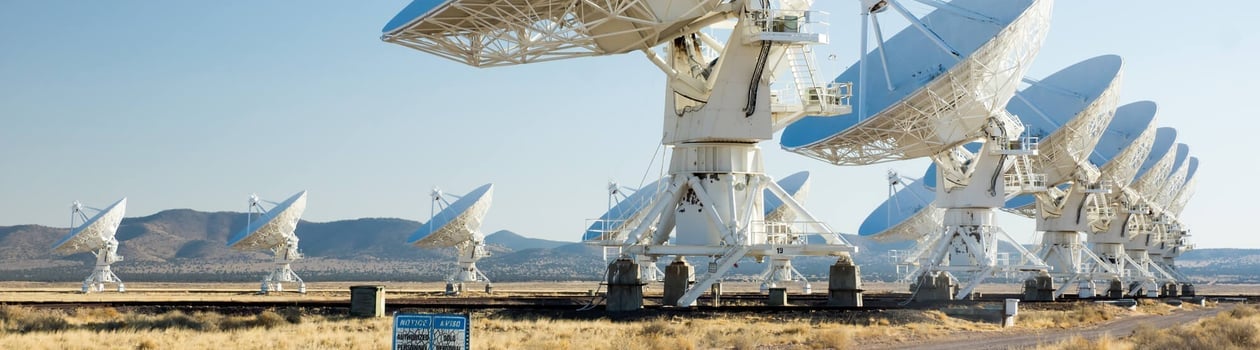
The launch of Telstar 1 in 1962 marked the first active communications satellite capable of relaying television, telephone, and data signals across the Atlantic, demonstrating that space‑based relays could supplement undersea cables and paving the way for the global satellite constellations now used for broadcasting, navigation, and broadband.
Mobile Phones Spread Faster Than Almost Any Other Technology
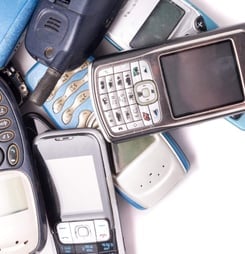
Mobile cellular subscriptions exploded from about 12 million worldwide in 1990 to over 8.5 billion by 2023, meaning there are now more mobile connections than people, a transformation that has given many communities their first reliable access to voice and internet services without ever having landlines.
The Internet Grew Out of Cold War Research Networks
The modern internet traces its roots to ARPANET, a packet‑switching network funded by the U.S. The Department of Defense in the late 1960s connected a small number of research institutions and later adopted the TCP/IP protocols, which became the global standard for internetworking in 1983.
Telecommunications Are Tightly Linked to Economic Growth
Empirical studies by the World Bank and others have found that a 10% increase in fixed or mobile broadband penetration is associated with an average increase of roughly 1–1.5% in GDP per capita in developing countries, highlighting how better connectivity contributes to productivity, innovation, and new services.
Connectivity Is Still Unequal Across the Globe
Despite rapid progress, about 2.6 billion people were still offline in 2023, with internet use rates above 90% in high-income countries but below 30% in many least developed countries, where gaps in affordability, infrastructure, and digital skills slow the spread of modern telecommunications.