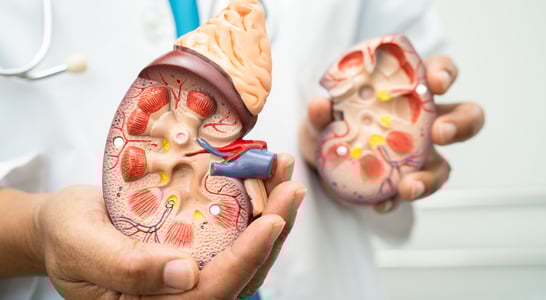
Anosmia Awareness Day
Smell is a sense that most people probably take for granted but it is, in fact, something that not every person has.
This often underappreciated sense is an important part of everyday life – whether simply smelling flowers for enjoyment or smelling smoke that might indicate danger is nearby.
Anosmia is the name for the loss of the sense of smell, whether partially or completely, temporary or permanent.
Anosmia Awareness Day is here to offer a little nod and perhaps some support to those who live with this condition!
Anosmia Awareness Day Timeline
1817
Early Medical Use of the Term “Anosmia”
The French physician Jean‑Marc Gaspard Itard uses the word “anosmie” (anosmia) in a clinical report, helping to establish the term for loss of smell in 19th century medical literature.
1918
First Report of Familial (Inherited) Anosmia
Neurologist Carl Glaser publishes one of the first detailed descriptions of families with lifelong inherited loss of smell, helping to define congenital anosmia as a clinical entity.
1964
Standardized Olfactory Testing Described
Maxwell M. Mozell and colleagues publish early work on quantitative smell testing, laying groundwork for later standardized clinical tools to measure olfactory loss.
1984
University of Pennsylvania Smell Identification Test Introduced
Richard L. Doty and co‑workers develop the UPSIT, a scratch‑and‑sniff smell identification test that becomes a widely used standard for diagnosing and grading anosmia and other olfactory disorders.
2020
COVID‑19 Highlights Anosmia as a Key Symptom
Reports from clinicians show sudden loss of smell as a common early sign of COVID‑19, sharply increasing scientific and public attention to anosmia and its causes.
How to Observe Anosmia Awareness Day
Looking for some ideas for getting more involved with Anosmia Awareness Day? Peruse some of these to get started with:
Learn Important Facts About Anosmia
One excellent way to get connected with Anosmia Awareness Day might be to check out some important facts about this condition and then share them with friends, coworkers, or others to raise awareness about the day. Here are some facts about anosmia to get started with:
-
Approximately one in ten people have some sort of anosmia, though it is rarely a total loss of the sense of smell
-
Those who have congenital anosmia experience it as a lifelong condition that begins at birth
-
Acquired anosmia may be caused by some illnesses, the use of certain chemicals, hormones, medicines, head injuries and more
-
Some people with anosmia have developed a heightened sense of hearing to make up for their loss of smell
Show Support and Raise Awareness
People who have anosmia deal with some particular types of loss in their lives without the sense of smell. Anosmia Awareness Day seeks to improve public knowledge to increase the support and compassion that communities, whether online or in real life, show to those affected by this condition.
Share some information with friends, make a post on social media or find other ways to make the community more aware of anosmia.
See an ENT Doctor
People who suspect that they are living with a partial or full loss of smell should make an appointment with a doctor to help diagnose and provide support.
Anosmia Awareness Day acts as an excellent reminder to call a general practitioner or Ear/Nose/Throat doctor and make an appointment to learn more.
Get more involved with this theme by also connecting with National Sense of Smell Day, which is celebrated in late April.
History of Anosmia Awareness Day
While ‘anosmia’ is a word that many people learned in 2020 as this condition was a symptom of COVID-19, Anosmia Awareness Day dates back a bit further. This day was started in 2012 by founder Daniel Schein who, himself, was born with congenital anosmia which means that he never could smell.
Schein’s desire to establish this day was to improve public awareness and increase the educational opportunities that can be provided related to the sense of smell.
Sometimes referred to as “nose blindness”, anosmia is a condition that can be challenging to live with – and it impacts millions of people around the world daily.
Anosmia Awareness Day FAQs
Can someone be born without a sense of smell, and how is that different from losing it later in life?
Yes. Congenital anosmia is when a person is born without any sense of smell, often due to underdevelopment or absence of olfactory structures in the nose or brain, and it is usually permanent.
Acquired smell loss happens later in life and can result from infections like COVID-19, chronic sinus disease, head injury, or nasal polyps, and in some cases may improve if the underlying cause is treated.
How can anosmia affect taste, appetite, and body weight?
What most people call “taste” is largely flavor, which depends heavily on smell, so people with anosmia often report that food seems bland or one‑dimensional.
This can lead to reduced appetite and weight loss in some individuals, while others may overuse salt, sugar, or fat to compensate, which can contribute to weight gain or cardiovascular risk.
What everyday safety risks do people with anosmia face, and how can they reduce them?
People who cannot smell may not notice smoke, gas leaks, or spoiled food, which increases the risk of fire, poisoning, and foodborne illness.
Experts recommend using interconnected smoke and gas detectors, relying on appliance indicator lights and timers, labeling and dating food, storing high‑risk foods separately, and asking trusted family, roommates, or coworkers to help with periodic safety checks.
When should someone with a change in smell see a doctor, and what tests might be done?
A person should see a doctor or ear, nose, and throat specialist if smell loss is sudden, follows a head injury, is accompanied by persistent nasal symptoms, or lasts more than a few weeks after an infection.
Clinicians may take a detailed history, examine the nose and sinuses, use standardized smell identification tests, and sometimes order imaging such as CT or MRI scans to look for nasal polyps, sinus disease, or brain abnormalities.
Is there any treatment or rehabilitation for anosmia?
Treatment depends on the cause: nasal steroids, surgery for polyps, or managing chronic sinusitis can restore smell in some people, and smell often returns gradually after viral infections.
For persistent loss without a reversible cause, “smell training” with repeated, structured exposure to a set of odors has been shown in clinical studies to help some patients partially recover or improve their sense of smell over time.
How is smell loss connected to conditions like COVID‑19 and neurological diseases?
COVID‑19 commonly causes acute smell loss by affecting the cells that support olfactory neurons, and many people recover within weeks, though some develop longer‑term dysfunction.
Independently of COVID‑19, reduced sense of smell in older adults is associated in research studies with a higher risk of developing neurodegenerative diseases such as Parkinson’s and Alzheimer’s disease, which makes persistent smell loss an important symptom to mention to a clinician.
How can workplaces and schools better support people who live with anosmia?
Inclusive environments recognize that someone with anosmia may miss odor‑based warnings or social cues, and they adjust expectations accordingly.
Helpful measures include using visual or audible alarms rather than relying on smell, giving clear written food safety rules, avoiding judging colleagues or students on perfume or body‑odor norms, and offering flexibility for individuals who may find communal eating, cooking classes, or certain job tasks more challenging without a sense of smell.
Also on ...
View all holidays
National Pokemon Day
Epic adventures with adorable creatures as you explore vibrant worlds, make new friends, and battle fierce opponents in this iconic game.

No Brainer Day
Breathe deeply, and focus on the present. Practicing this regularly can help reduce stress and increase happiness in everyday life.

National Strawberry Day
This juicy red fruit pairs well with chocolate, whipped cream, and champagne. Perfect for summer picnics and romantic evenings.

We think you may also like...

Leukemia and Lymphoma Awareness Month
By fostering understanding and support, raising awareness for these conditions brings hope, funds research, and stands with compassion beside those affected.
Rare Chromosome Disorder Awareness Day
Highlighting unique genetic variations, fostering understanding and support — a celebration of diversity in the genomic tapestry of life.
ALS Awareness Month
A condition affecting motor neurons, ALS challenges resilience, fostering community, advancing research, and supporting individuals.