
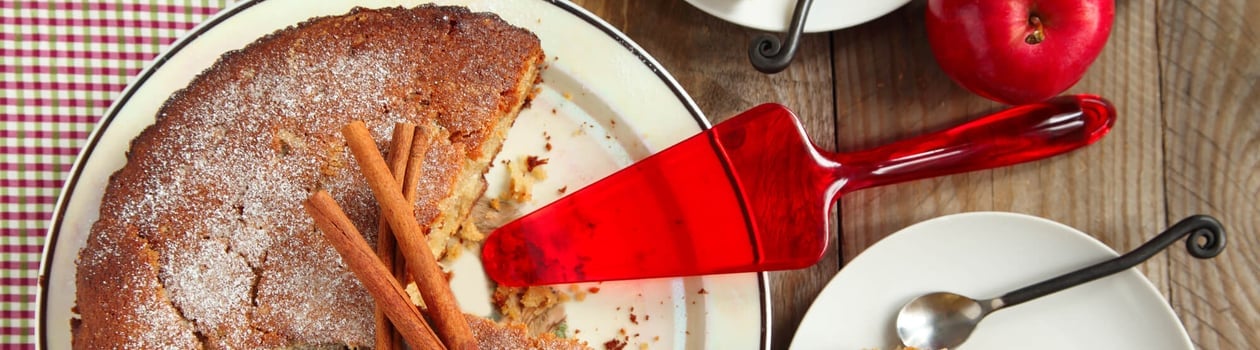
Everyone loves a slice of something sweet, and National Applesauce Cake Day gives everyone a perfectly reasonable excuse to lean into that love. The spotlight lands on applesauce cake, a cozy, spice-scented bake that feels both old-fashioned and endlessly adaptable.
Applesauce cake has a reputation for being incredibly moist, warmly spiced, and forgiving for bakers who prefer “close enough” measuring over laboratory precision. It also carries a practical little secret: applesauce can stand in for part of the fat and sometimes even part of the eggs in a recipe, which means this cake has long been associated with making something delicious out of what happens to be on hand. That blend of comfort, thrift, and creativity is exactly what makes this day such a satisfying one to celebrate.
How to Celebrate National Applesauce Cake Day
Celebrating National Applesauce Cake Day? Here are some quirky and playful tips to make it unforgettable:
Bake, obviously!
But don’t just stick to the recipe. Throw in a surprise ingredient. Maybe a dash of orange zest or a sprinkle of nutmeg. Get wild with it!
Applesauce cake plays especially well with mix-ins and small upgrades because the base is gentle and sweet. A handful of toasted walnuts or pecans adds crunch. Raisins or chopped dates turn it into the kind of cake that feels like it belongs next to a mug of coffee. For a brighter edge, a little lemon zest can lift the spices without stealing the show. Even a spoonful of cocoa can nudge the flavor toward a mellow, spiced chocolate note.
Host a bake-off with pals
See who can come up with the most out-there applesauce cake variant. Award points for creativity, taste, and presentation. May the best baker win!
To keep it fun and fair, pick a basic framework everyone can follow, like “one loaf cake or one 8-inch round,” then let the creativity happen in the details. One person might go the classic route with cinnamon and cloves, another might use ginger and cardamom for a bolder, bakery-style profile, and someone else might lean into a breakfast-meets-dessert vibe with oats or a crumb topping. If there’s a judge, the most useful categories are “best texture,” “best flavor balance,” and “most likely to disappear at a potluck.”
Go on a cake picnic
Yes, you heard right. Pack a blanket, your freshly baked cake, and enjoy it under the sky. Bonus points for a sunset view.
Applesauce cake is a strong picnic candidate because it travels well and stays tender. It’s less likely to crumble into chaos than drier cakes, and it doesn’t demand fussy plating. For easy transport, bake it as a loaf or in a square pan and slice it at the picnic spot. Bring napkins, a simple knife, and something to drink that matches the cake’s warm spice, like tea, coffee, or cold milk.
Share the love
Bake a mini version of your masterpiece and surprise a neighbor or a friend. It’s sweetness squared.
Small-format applesauce cakes are charming and practical. Muffin tins work great for individual portions, and mini loaf pans look instantly gift-worthy. A simple wrap and a handwritten note can turn a humble cake into a memorable gesture. If gifting baked goods is the plan, consider keeping toppings simple. A dusting of powdered sugar holds up better than a tall swirl of frosting, and a light glaze dries nicely for transport.
Dive into history
While munching on your cake, why not learn about its roots? A quick online search will transport you back to the times when this cake was a wartime hero.
Instead of reading history like a textbook, try tasting it. Make two small versions side by side: one that’s rich and modern with butter and a thicker frosting, and one that’s closer to a “make-do” style with reduced fat and a simpler finish. Comparing them highlights why applesauce cake became a classic. It’s not just tasty, it’s resilient.
Cake decoration contest!
Whip out the frosting, fruits, and whatever edible decorations you can find. Make your applesauce cake not just taste good but look stunning.
Decorating applesauce cake can be as low-key or as dramatic as desired. A cream cheese frosting pairs beautifully with spice and gives a tangy balance. For a lighter touch, a vanilla glaze or maple glaze adds shine and sweetness without overwhelming the cake. Those who like a little drama can top it with thin apple slices, toasted nuts, or a cinnamon-sugar sprinkle. For a “rustic bakery” look, a simple swoop of frosting and a scattering of chopped nuts can do the job.
Finally, why not document the whole shenanigan?
Snap photos or take videos of your baking adventure, the picnic, or the bake-off, and share them. Inspire others to join in next year!
There’s something satisfying about capturing the little steps that make applesauce cake special: the swirl of batter, the way the kitchen smells when the spices warm up, and the first slice that shows off that tender crumb. Sharing recipes, variations, and mishaps also helps keep the day accessible. This cake is a friendly one, and it’s nice when the celebration feels friendly too.
There you have it, a recipe for a fun-filled National Applesauce Cake Day. Now, who’s ready to preheat their oven?
Why Celebrate National Applesauce Cake Day
Applesauce cake has roots going back to colonial times. It gained popularity for its simple ingredients and easy preparation. Its significance grew, especially during times when resources were scarce.
That practicality is still part of its charm. Applesauce is doing more than adding “apple flavor.” In many recipes, it contributes moisture and tenderness, which is why the cake can stay soft for days when stored well. It can also replace some of the butter or oil, which changes the texture in a pleasant way: less greasy, more plush, and often a bit denser in the best possible sense. Some bakers also use applesauce as a partial egg substitute, especially in recipes designed around that swap. The result is a cake that welcomes flexibility and rewards experimentation.
The day honors this humble cake’s history and role in bringing joy and sweetness to our lives. By celebrating, people keep the tradition alive, sharing slices of this delicious cake with friends and family and perhaps trying their hand at baking it themselves.
It also celebrates a particular flavor profile that feels like comfort in edible form. Applesauce cake usually leans on spices such as cinnamon, nutmeg, cloves, ginger, or allspice. Those spices do a lot of heavy lifting, which is part of why the cake works in so many different kitchens. The base ingredients are straightforward, but the aroma makes it feel special. A kitchen that smells like apples and warm spices tends to attract visitors who suddenly “just happened to stop by.”
The reasons behind National Applesauce Cake Day are as wholesome as the cake itself. It reminds everyone of the value of simplicity in cooking and the joy of sharing homemade treats. It can also be a gentle invitation to waste less. Extra apples that are getting soft can become applesauce. Applesauce can become cake. Cake can become the kind of snack that disappears before anyone has time to wonder what happened.
In many homes, applesauce cake is a bridge between dessert and snack. It can be served plain, almost like a quick bread. It can be dressed up with frosting and served as a celebration cake. It can even be nudged toward breakfast territory with a streusel topping and a less-sweet glaze. Because it’s so adaptable, it works for a crowd with mixed preferences. There’s room for nuts and raisins, and there’s room for keeping it smooth and simple.
People everywhere dust off their baking pans to create their versions of applesauce cake, experimenting with spices and toppings. That experimentation is part of the fun because applesauce cake is hard to completely ruin. Overbake it slightly and it’s still pleasantly snackable. Under-spice it and a glaze can help. Make it in a loaf pan instead of a round pan and it still feels correct. This “forgiving” quality is one reason it has stayed popular across generations.
It’s a day for both seasoned bakers and novices to come together, share recipes, and enjoy this traditional dessert’s warm, comforting flavors. Experienced bakers can use the day to refine details, like how finely to grind the spices, whether to bloom them in warm butter, or how to balance sweetness against tangy frosting. New bakers can use it as a low-pressure entry point into cakes, since applesauce helps guarantee a moist crumb and a pleasant texture.
National Applesauce Cake Day Timeline
First Printed American Applesauce Cake
Amelia Simmons’s “American Cookery,” the first known American-authored cookbook, includes spiced apple-based cakes that are early relatives of modern applesauce cake in colonial kitchens.
Applesauce Cake Appears in 19th-Century Cookbooks
American cookbooks such as Maria Parloa’s and regional community collections begin printing specific “apple sauce cake” and “apple cake” recipes, cementing the idea of using stewed apples to moisten spice cakes.
Wartime “War Cake” Promotes Applesauce as a Saver
During World War I, U.S. Food Administration pamphlets and newspaper recipes feature “war cakes” that use applesauce and dried fruit to reduce butter, eggs, and white sugar, popularizing thrifty applesauce-style cakes.
Rationing Makes Applesauce Cake a Home-Front Favorite
With U.S. sugar and butter rationing in World War II, newspapers and extension bulletins recommend applesauce cakes as economical desserts that stay moist without much fat or sweetener.
Commercial Applesauce Expands Baking Uses
By the mid‑1950s, large producers like Mott’s are advertising jarred applesauce as a convenient ingredient for “easy applesauce spice cakes,” helping shift applesauce cake from a frugal necessity to an everyday family dessert.
Commercial Applesauce Expands Baking Uses
By the mid‑1950s, large producers like Mott’s are advertising jarred applesauce as a convenient ingredient for “easy applesauce spice cakes,” helping shift applesauce cake from a frugal necessity to an everyday family dessert.
Applesauce as a Health-Conscious Fat Substitute
Natural foods and diet cookbooks in the 1970s begin promoting unsweetened applesauce as a partial replacement for oil or butter in cakes, reframing applesauce cake as a lighter, lower‑fat option.
History of National Applesauce Cake Day
Once upon a time, and not too long ago, folks found a way to celebrate a simple delight: applesauce cake. This tale begins on National Applesauce Cake Day. But why this cake, you might wonder? It’s a story sprinkled with practicality, nostalgia, and a pinch of sweetness.
Apples have been a dependable kitchen staple in many places for a long time, valued because they store well and transform easily into other forms. Applesauce, in particular, is a smart solution for apples that are past their crisp prime. Cook them down, mash them up, and suddenly there’s a versatile ingredient that can be eaten as-is, stirred into breakfast, or baked into something comforting. Once cooks realized that applesauce could bring moisture and body to cakes, it didn’t take much imagination to see the appeal.
Our cake’s journey starts in colonial times, reaching American kitchens and hearts. It wasn’t just any cake; it was the cake that made do with what was at hand, especially during tough times when eggs and butter were scarce.
That “make-do” identity is a big part of applesauce cake’s reputation. In periods when certain ingredients were expensive, rationed, or simply unavailable, bakers leaned on alternatives. Applesauce offered moisture in a way that could reduce the need for butter or oil, and it helped stretch a recipe without making it feel thin or stingy. The cake didn’t just survive those adjustments, it thrived because the final result still tasted like a treat. Even when ingredients became more plentiful, the cake had already earned a place in recipe boxes because it was reliable, flavorful, and pleasantly soft.
People loved its moist texture and the way it paired well with spices. Those spices also served a practical purpose. Warm spices are bold, and bold flavors make simple ingredients feel more luxurious. Cinnamon and nutmeg create a familiar sweetness, while cloves and allspice add depth. Ginger can bring a little heat. The mix varies from household to household, which is part of why applesauce cake has so many “authentic” versions. More than one version can be the right one.
Fast-forward to the 1900s through the 1950s, and this humble bake was a star in cookbooks across the United States. Applesauce cake fit neatly into a style of home baking that prized dependable results and pantry-friendly ingredients. It also matched the era’s love of spice cakes and loaf cakes, which could be sliced easily and served without much fuss. Many recipes from that broader period included common add-ins like raisins or chopped nuts, turning the cake into something hearty enough for an afternoon snack and sweet enough for dessert.
Over time, applesauce cake picked up regional and family variations. Some versions are closer to a spice loaf with a simple dusting of powdered sugar. Others are layered and frosted, sometimes with cream cheese frosting, sometimes with a browned butter glaze, sometimes with a caramel-style icing. Some bakers prefer a smooth crumb, while others like a rustic texture with grated apple folded in alongside the applesauce. That variety keeps the cake lively rather than locked into one strict definition.
No one knows who first decided June 6th should be its big day. Yet, here we are, whisking, baking, and sharing slices of applesauce cake every year. It’s a nod to simplicity and the joy of making something out of little.
The popularity of “national day” celebrations has helped many classic foods keep their spotlight, and applesauce cake is a natural fit. It’s distinctive enough to deserve its own moment, but familiar enough that people can jump in without needing specialty tools or rare ingredients. Applesauce can be homemade or store-bought. The cake can be mixed by hand or with a mixer. It can be baked in a loaf pan, a bundt pan, a square pan, or turned into cupcakes. In other words, it invites participation rather than perfection.
So, every year on this day, we roll up our sleeves, preheat our ovens, and celebrate a piece of history that tastes delicious with a cup of tea. This day isn’t just about cake; it’s about sharing, caring, and a little baking flair.
And, if the cake teaches anything, it’s that clever baking doesn’t have to be complicated. Applesauce cake is proof that a comforting dessert can come from ordinary ingredients, a modest plan, and a willingness to let the kitchen smell like cinnamon for a while. Whether it’s served plain, glazed, or piled high with frosting, it carries a small message baked into every slice: simple can still be special.
Facts About National Applesauce Cake Day
Colonial Apple Preservation Shaped Winter Diets
In colonial North America, apple trees were so important for survival that some colonies required or strongly encouraged new settlers to plant orchards, since apples could be pressed into cider, dried, or cooked down into applesauce and apple butter that kept through long winters when fresh produce was scarce.
These preserved apple products provided both calories and vitamins at a time when storage and transport of fresh fruit were extremely limited.
Applesauce as a Wartime Baking Workhorse
During both World War I and World War II, American and British home economists promoted applesauce cake as a thrifty recipe because the applesauce could replace part of the rationed sugar and fats, keeping cakes moist and sweet while using far less butter or shortening.
Government-issued wartime cookbooks and newspaper columns regularly featured applesauce cakes and similar “war cakes” to help families cope with strict rationing.
Applesauce Cake in Early 20th‑Century Cookbooks
By the early 1900s, applesauce cake recipes appeared widely in American community cookbooks, church fundraiser collections, and national magazines, often described as “economical spice cake” or “one-bowl cake” that used pantry staples.
This widespread print presence helped standardize versions of the recipe, from simple loaf cakes to richer versions with nuts and raisins, and turned what had been a thrifty household improvisation into a recognizable dessert category.
Applesauce as a Fat and Egg Substitute in Modern Baking
From the late 20th century onward, dietitians and health-focused cookbooks popularized the use of unsweetened applesauce in place of some or all of the oil or butter in cakes and quick breads, reducing total fat and calories while preserving moisture.
Controlled baking tests have shown that substituting applesauce for up to half of the fat in many cake recipes produces similar texture and volume, which is why the ingredient became a staple in “light” and “heart-healthy” baking guides.
Spices Reflected Global Trade in Classic Applesauce Cakes
Traditional applesauce cakes are often heavily spiced with cinnamon, cloves, nutmeg, and sometimes allspice, a flavor profile that speaks to the impact of early modern global trade.
By the 18th and 19th centuries, spices imported from Asia and the Caribbean had become accessible enough in Europe and North America that even modest households could occasionally flavor preserves and cakes, turning a simple preserved-fruit cake into a treat that carried the aromas of faraway trade routes.
Apple Varieties Influenced Sauce and Cake Flavor
Historic apple varieties were not all-purpose fruit; some were prized specifically for cooking into sauces and baked goods because they broke down easily and balanced sweetness with acidity.
Heirloom types such as Bramley’s Seedling in Britain and Newtown Pippin in America were favored for sauces and baking, which meant the local orchard mix in a region strongly shaped how tangy, sweet, or aromatic an applesauce cake would taste.
Applesauce and the Rise of Industrial Canning
The commercial canning revolution of the late 19th and early 20th centuries made ready-to-use applesauce widely available in tins and, later, glass jars, which changed how home bakers worked.
Instead of relying solely on their own preserved apples, households could buy uniform, shelf-stable applesauce year-round, helping recipes like applesauce cake spread nationally because bakers no longer had to cook and strain apples before starting the batter.
National Applesauce Cake Day FAQs

You may also like
National Devil’s Food Cake Day
Celebrate National Devil’s Food Cake Day by baking, sharing, and savoring this rich, moist chocolate classic that brings people together in sweet indulgence.
- Australia
- Canada
- United Kingdom
- and 1 more
National German Chocolate Cake Day
Celebrate National German Chocolate Cake Day with rich chocolate, coconut, and pecan flavors, fun recipes, and the surprising story behind this iconic dessert.
- Canada
- Germany
- United Kingdom
- and 1 more
National Lemon Chiffon Cake Day
Indulge in the light and fluffy goodness of a citrus-infused delicacy that will have you craving for more with every bite.
- Australia
- Canada
- United Kingdom
- and 1 more
National Apple Pie Day
The American classic, a staple of holiday dinners and grandma’s cooking. Try your hand at making your own Apple pie, or visit a diner or bakery and indulge.
- United States
National days and holidays on June 6

Vivid Sydney
Vivid Sydney is a dazzling celebration that transforms the city into a vibrant playground of lights, music, and creativity. For weeks, iconic landmarks and urban spaces glow with stunning light installations and 3D projections, captivating both locals and tourists. This festival draws millions of visitors each year, offering an enchanting...
- Australia

The Big Lunch
The Big Lunch is a beautiful day filled with community spirit. This annual event is like an enormous block party, where the tantalizing fragrances of home-cooked delicacies mingle with music and laughter. The event means sharing meals. It also means making new - or renewing - heartwarming connections. As...
- United Kingdom

National Yo-Yo Day
Celebrate National Yo-Yo Day by exploring tricks, parties, contests, and history that honor this classic toy, its culture, and its surprising global legacy.
- United States

National Caves and Karst Day
Discover National Caves and Karst Day, celebrating hidden underground landscapes, unique wildlife, and family-friendly cave exploration across North America.
- United States
Seize Every Day
Join free for personalised recommendations, email reminders and exclusive guides. Never miss a day.