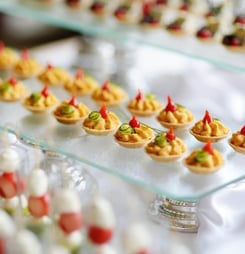

Are you tired of moderation, endless budgeting and taking the frugal option? If so then National Splurge Day is definitely for you. While for the rest of the year a person may be a model of financial prudence, National Splurge Day is an opportunity to let that hair down, go wild and spend a little more on something decadent!
Of course, “splurge” does not have to mean “spiral.” The spirit of the day is permission, not pressure: permission to enjoy money (or time) intentionally, permission to pick quality over the cheapest option, and permission to celebrate small luxuries without turning it into a regret-fueled shopping spree.
How to Celebrate National Splurge Day
Get involved with this day by celebrating all the luxury that life has to offer! National Splurge Day is just the right time to spend a little extra and enjoy with some of these ideas for celebrating:
Before choosing a splurge, it helps to define what “splurge” means personally. For one person it’s a new gadget; for another it’s a quiet afternoon with takeout, fresh sheets, and absolutely no obligations. A good splurge feels special and slightly out of the ordinary, but it also feels safe: it fits within real-life limits and leaves more delight than guilt behind.
A simple way to keep the day fun is to pick one of these “splurge styles” and stick to it:
- The one-and-done treat: one purchase or experience, chosen on purpose.
- The upgrade mentality: the same plan as usual, just nicer.
- The comfort splurge: paying for convenience or ease.
- The generous splurge: spending to brighten someone else’s day.
- The time splurge: buying back time by doing less, not more.
Take the Upgrade
Whether booking flights, reserving a hotel room, getting a massage or just ordering a drink, perhaps National Splurge Day is just the right time to say “yes” to those upgrades. Choose the upgrade to business class or get the gold star hotel room. Indulge in the top shelf liquor for that cocktail and go ahead and order that decadent dessert.
Upgrades are satisfying because they do not require reinventing the day. They simply make what was already planned feel a little more polished. The trick is to choose upgrades that a person will actually notice. A few examples that often deliver the “wow” factor:
- Comfort upgrades: better seats, extra legroom, a plush robe at a spa, a higher-quality pillow, or noise-canceling headphones for a commute.
- Taste upgrades: a specialty ingredient, the fancy coffee beans, a really good olive oil, the bakery version of a treat instead of the packaged one.
- Service upgrades: someone else does a task that normally eats up time, such as a car wash and interior clean, laundry service, or a haircut with extra care.
For those who don’t have a ton of money in the bank to splurge with (and going into debt isn’t a great idea!), this day could simply be one where you say “yes” to the whipped cream on top of that coffee drink or go with the super-size fries just this once. Even the small things can mean a lot when they are celebrated!
Small splurges can be surprisingly powerful because they train the brain to notice enjoyment. A “mini-upgrade” might look like:
- Buying the beautiful single piece of fruit that looks like it belongs in a painting.
- Getting the movie rental in the highest quality.
- Purchasing a nicer notebook and actually writing in it.
- Turning a regular shower into a spa moment with a new body scrub and a playlist.
One practical guardrail is to decide the upgrade in advance. When the choice happens in the moment, it is easy for “just this once” to turn into “and also this, and this, and this.” Planning keeps the upgrade charming instead of chaotic.
Splurge on Someone You Love
While it’s true that National Splurge Day might be happily spent indulging alone, most things in life are more enjoyable when they are spent with someone else. Choose a friend who may have been having a hard time and take them out for something they would enjoy.
Perhaps a shopping trip, a decadent meal or a day at an amusement park. Spoil someone and enjoy the look on their face as they spend the day being happy and content with all of the fun!
A “splurge on someone else” does not have to be flashy to land well. The best version usually matches the person’s actual tastes, not what looks impressive from the outside. A thoughtful splurge might be:
- A shared experience: brunch, tickets to a show, a class taken together, an afternoon at an arcade, or an outing that feels playful.
- A practical kindness with a luxury twist: filling a pantry with their favorite snacks, replacing worn-out basics with nicer versions, or buying the premium version of something they already use.
- A comfort bundle: cozy socks, a soft blanket, a candle, a book, and a handwritten note that is more specific than “you’re great.” Specific is what makes it feel real.
If the goal is to make the splurge memorable, a person can add a small ritual. Present the treat with a little “menu” of options, wrap it even if it’s not a traditional gift, or make a plan that includes a beginning, middle, and end. A small structure turns spending into an experience.
For some celebrants, generosity becomes the centerpiece. The creator of National Splurge Day has even suggested shifting the idea of “splurging” toward helping others, including support for displaced people or animals in shelters. That approach still fits the day’s overall message: use resources in a way that feels meaningful, not merely routine.
Take the Day Off
Perhaps a splurge for some people might mean simply resting and relaxing. Call off from work and celebrate National Splurge Day with a bubble bath, some takeout and an indulgent day alone.
National Splurge Day is about celebrating and doing something that a person may not usually take the time or money to do. Treat yourself! After all, you only live once, so why not enjoy it?
A day off can be one of the most luxurious choices because it fights a very modern problem: constant busyness. For people who rarely stop, time becomes the splurge. Even when skipping work is not possible, “taking the day off” can mean adjusting the pace and choosing ease on purpose.
Ways to make a rest splurge feel special, not accidental:
- Set a boundary: turn off nonessential notifications for a block of time, or set an auto-reply that protects a real break.
- Upgrade the environment: fresh sheets, tidy room, clean towels, dim lighting, and a scent that signals relaxation.
- Choose one indulgent anchor: a long bath, a nap with no alarm, a favorite movie, or a slow meal eaten without multitasking.
- Pay for convenience: delivery, prepared food, or a ride instead of driving. Convenience is a legitimate luxury.
There is also a surprisingly satisfying “splurge” that costs nothing: giving oneself permission to stop optimizing. No productivity hacks, no side quests, no pressure to make it “worth it.” The value is the pause itself.
National Splurge Day Timeline
Veblen Coins “Conspicuous Consumption”
American economist Thorstein Veblen publishes The Theory of the Leisure Class, describing status-driven luxury spending as “conspicuous consumption.”
Mass Consumer Culture Takes Hold in the U.S.
Advertising, department stores, and installment credit help turn Americans into mass consumers, normalizing discretionary “treat yourself” purchases.
Birth of the Modern Credit Card
Bank of America pilots BankAmericard in California, helping usher in general-purpose credit cards that make spur-of-the-moment splurge purchases easier.
“Retail Therapy” Enters Popular Vocabulary
A Chicago Tribune article uses the phrase “retail therapy,” capturing the idea that shopping sprees and indulgent buys can temporarily improve mood.
Self-Gifts Defined in Consumer Research
Journal of Consumer Research publishes Mick and DeMoss’s study on “self-gifts,” framing indulgent purchases for oneself as rewards, celebrations, or mood repair.
Self-Gifting as Justified Indulgence
Researchers Kemp and Kopp show that people often frame self-gifts as justified indulgences, explaining how “I deserve to splurge” thinking supports hedonic spending.
Linking Hedonic Shopping, Indulgence, and Regret
A Journal of Consumer Marketing study finds that hedonistic shopping and indulgence drive self-gifting but can also trigger post-purchase guilt and regret.
History of National Splurge Day
Saving money and being financially responsible is a vital part of surviving as an adult in this day and age. Everyone works hard for their money, paying taxes and buying insurance. Paying back student loans or buying diapers for the babies. Saving for the future.
That’s right, being fiscally responsible and living within a budget is a task that all but the wealthiest folks in the world need to do. But… there is one day when all bets are off and it’s time to have a little fun. It’s National Splurge Day!
At its heart, the day plays with a timeless tension: people are constantly told to be sensible, plan ahead, and delay gratification. Those habits matter, but they can also make life feel like one long list of “not yet.” National Splurge Day gives a wink and says, “Yes, be responsible. Also, be alive.”
The day also fits neatly into a broader cultural trend of themed observances that spotlight one small idea. These days often thrive because they offer a simple prompt. No complicated traditions required, no expensive decorations, just a clear invitation: pick a treat and enjoy it.
The history of National Splurge Day can be traced back a few decades, to 1994, when the day was founded by Adrienne Sioux Koopersmith. Hailing from Chicago and owner of her own communications company, Ms. Coopersmith considers herself to be an “eventologist”, founding holidays as a way of enjoying and celebrating the good in the world following a traumatic event in her own life.
Koopersmith has been described as a creator of many themed observances, using the playful title “eventologist” to signal that she studies, builds, and promotes events that spark connection and conversation. In that light, National Splurge Day makes perfect sense: it is simple, relatable, and just mischievous enough to make people smile while they consider what “treating oneself” can look like.
With a flair for the whimsical, Koopersmith wanted to encourage people to enjoy life a little bit and so, National Splurge Day was born!
Over time, the idea has been interpreted in a range of ways. Some people treat it as a classic consumer splurge: buying the thing that has been sitting on a wish list, booking an experience that feels out of reach, or ordering the fancy entrée without doing mental math. Others take a more mindful approach, using the day as a reminder that “splurge” can also mean spending on quality, comfort, or meaning, not just price tags.
In practice, National Splurge Day has become a permission slip for intentional indulgence. It pairs surprisingly well with financial common sense: the splurge feels better when it is planned, capped, and chosen because it truly adds value. A person who budgets carefully all year might even create a “splurge fund,” tossing in small amounts when possible so that a treat does not become a burden. That approach keeps the day aligned with its most sustainable message: enjoy what money can do, without letting money undo what someone has built.
And for anyone who finds spending itself stressful, the history still leaves room for a different kind of splurge. Choosing rest, generosity, or a memorable experience can capture the spirit of the day without requiring a shopping cart full of impulse buys. The point is not to be reckless. The point is to feel the delight of “extra” in a world that often demands “efficient.”
Facts About National Splurge Day
The Psychology Behind “Treat Yourself” Purchases
Behavioral research distinguishes between hedonic purchases, made for pleasure, and utilitarian purchases, made for function.
Studies show that small, planned hedonic purchases can boost short‑term happiness and even help people stick with strict budgets or diets by preventing feelings of deprivation, as long as they stay within an overall financial plan.
Impulse Buying Is Often Emotional, Not Rational
Consumer‑behavior studies find that a significant share of unplanned spending happens when people are stressed, tired, or in a heightened emotional state, rather than after careful comparison shopping.
Surveys cited by behavioral economists show that many households spend hundreds of dollars a month on impulse buys, with emotions like boredom and stress among the main triggers.
Present Bias Makes Splurging Today Feel More Attractive Than Saving
In behavioral economics, “present bias” describes the tendency to value immediate rewards much more than larger, delayed ones.
Classic work summarized in economic overviews shows that this bias helps explain why people often choose a splurge now instead of adding the same money to retirement or an emergency fund, even when they know the future choice is better on paper.
Mental Accounting Helps People Ring‑Fence Fun Money
Psychologists have found that people mentally divide their money into “accounts” such as rent, groceries, or entertainment, even when all funds sit in the same bank balance.
Research on “mental accounting” shows that intentionally creating a separate budget for discretionary splurges can reduce guilt and help people enjoy small luxuries without undermining savings or bill‑paying.
Conspicuous Consumption Was Identified Over a Century Ago
Long before modern shopping apps, economist Thorstein Veblen described “conspicuous consumption” in 1899 as buying goods mainly to display wealth and status rather than meet basic needs.
Scholarly summaries note that his work on the “leisure class” laid the groundwork for later studies of luxury spending, designer labels, and status‑driven splurges across many cultures.
Consumer Culture Turned Wanting More Into a Social Norm
Historians of consumption point out that the idea of people as “consumers” only became common in the early 20th century.
Analyses from MIT Press and other scholars show that mass advertising, department stores, and consumer credit in the 1920s promoted an “almost insatiable appetite” for goods, encouraging ordinary households to aspire to frequent treats and upgrades rather than limiting purchases to strict necessities.
“Save More Tomorrow” Shows the Power of Pre‑Commitment
While splurges focus on spending, one of the most influential personal‑finance experiments did the opposite by using behavioral tricks to increase saving.
The “Save More Tomorrow” program, developed by economists Richard Thaler and Shlomo Benartzi, asked workers to pre‑commit to raising their retirement contributions with each future pay raise, and field studies showed that this simple nudge substantially boosted long‑term savings without feeling like a painful sacrifice.