Skip to content

Imagine a day dedicated to celebrating the art and science of food, where every bite is a step towards a healthier planet.

That’s what Sustainable Gastronomy Day is all about. Observed each year on June 18, this day spotlights how food is grown, harvested, processed, transported, cooked, and enjoyed. It’s an invitation to think beyond the plate and notice the people and ecosystems behind every ingredient, from soil microbes and pollinators to farmers, fishers, bakers, and cooks.

The big idea is simple but surprisingly powerful: delicious food can also respect natural resources, protect biodiversity, and strengthen local communities, all while keeping cultural traditions alive.

Gastronomy is sometimes described as “the art of food,” but it is also a practical, everyday craft. It includes the choices made in home kitchens and restaurants alike, plus the stories and customs that shape what a community considers comforting, celebratory, or essential. Sustainable gastronomy takes that whole rich world of food culture and adds a guiding question: can these meals remain possible, fair, and nourishing for the long haul?

How to Celebrate Sustainable Gastronomy Day

To celebrate Sustainable Gastronomy Day in fun and meaningful ways, consider these suggestions that are inspired by various sustainable practices around the world:

Cook with Local Ingredients

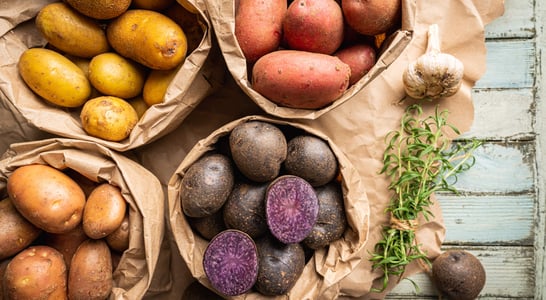
Visit a farmers’ market, farm stand, food co-op, or neighborhood grocer that carries regional produce. Local food often travels fewer miles, but the benefits go beyond transportation.

Buying locally can help keep small farms viable, preserve regional crop varieties, and connect eaters with the seasons. A simple way to start is to build one meal around a “local centerpiece,” such as tomatoes, corn, leafy greens, eggs, or a regional cheese, then let everything else play a supporting role.

Try a Plant-based Recipe

Prepare a meal entirely from plant-based sources, or simply make plants the star and treat animal products as an accent. Beans, lentils, chickpeas, and peas are famously versatile, and they pair well with grains and vegetables for meals that are both filling and budget-friendly.

Plant-forward cooking can also be a playground for flavor: roasted vegetables, toasted spices, citrus, herbs, and crunchy toppings make it feel like a feast rather than a compromise.

Learn About Food Waste Reduction

Get creative with food that might otherwise be tossed. “Root-to-stem” cooking uses more of each vegetable, like blending broccoli stems into soup or sautéing beet greens with garlic.

Leftover rice becomes fried rice; day-old bread becomes croutons or bread pudding; citrus peels become zest or infused sugar. Sustainability points add up quickly when a kitchen treats scraps as ingredients-in-waiting.

Support Small Food Producers

Buy from small-scale farmers, fishers, and artisan producers when possible. Beyond the feel-good factor, this supports diverse local economies and can encourage production methods that are more transparent and community-oriented.

It can also introduce new flavors: a locally milled flour, a small-batch hot sauce, honey with a distinct floral note, or a seasonal fruit jam that tastes like the month it was made.

Explore Traditional Cooking

Prepare a traditional dish from one’s own community or learn one from another culture with care and curiosity. Traditional cuisines often developed around seasonal availability and clever preservation techniques like pickling, drying, fermenting, and slow-cooking tough cuts.

Many of these methods are naturally resource-savvy. Fermented foods, for example, can extend shelf life and reduce spoilage while adding depth and nutrition.

Educate Yourself and Others

Set aside time to learn about sustainable food practices, whether through cookbooks, podcasts, documentaries, or community workshops. Sharing what’s learned can be practical rather than preachy: swap a favorite recipe, talk about a new storage trick that keeps herbs fresh longer, or host a meal where each dish comes with a short “ingredient story” about where it came from and why that choice mattered.

Start a Herb Garden

Grow herbs in pots, a windowsill planter, or a small outdoor patch. Herbs are a gateway to sustainable cooking because they reduce packaging, cut down on food waste (no more half-used plastic clamshells wilting in the fridge), and make simple dishes taste restaurant-level. Starting with hardy herbs like rosemary, mint, thyme, or chives makes success more likely, even for beginners.

Sustainable Gastronomy Day can also be celebrated with a few extra, highly doable twists that fit almost any kitchen:

  • Cook seasonally on purpose. Choose one seasonal ingredient and build a menu around it, even if it’s just a snack and a drink. Seasonal cooking tends to be fresher, often less resource-intensive, and it keeps meals from feeling repetitive.
  • Run a “fridge audit” challenge. Plan a meal that uses what is already on hand before buying anything new. This turns “random leftovers” into a fun puzzle instead of a guilt trip.
  • Practice mindful portions. Serving smaller portions first and offering seconds cuts down on plate waste without leaving anyone hungry.
  • Choose better packaging. Bring reusable bags or containers for shopping, choose loose produce when available, and favor products with minimal or recyclable packaging.
  • If seafood is on the menu, buy thoughtfully. Overfishing and habitat damage are real concerns, and sustainable sourcing helps. When possible, look for trusted third-party eco-labels available in a given market, or ask a fishmonger about species and catch methods.

Why Celebrate Sustainable Gastronomy Day

Sustainable Gastronomy Day aims to highlight food’s journey from farm to fork and its impact on the world. The day encourages choices that are pleasurable and also responsible, proving that sustainability does not have to taste like bland sacrifice.

One reason the day resonates is that food is both intensely personal and globally connected. A single meal can involve water use, soil health, climate impacts, labor conditions, transportation networks, packaging waste, and cultural identity.

Sustainable gastronomy brings those threads together without demanding perfection. It emphasizes progress through everyday decisions: buying what will actually be eaten, choosing ingredients that support healthier ecosystems, and honoring the work of the people who make meals possible.

It’s also about valuing local produce and understanding the cultural importance of food. Gastronomy is a form of cultural expression, and sustainable approaches help keep that expression alive. When communities lose access to their traditional ingredients due to environmental decline, economic pressure, or loss of biodiversity, recipes can become memories instead of meals.

Protecting biodiversity, supporting small producers, and choosing diverse crops all help preserve the living pantry that cultural food traditions depend on.

This observance is closely connected to big-picture goals such as improving food security, promoting sustainable agriculture, supporting nutrition, and protecting biodiversity. A sustainable food system is not only about “green” choices; it is also about resilience.

Diverse farms and fisheries, healthy soils, and reduced waste make food supplies more stable in the face of shocks like droughts, floods, pests, and market disruptions. When food systems are resilient, communities are better positioned to ensure access to nourishing food.

Food waste is a particularly eye-opening part of the conversation. Roughly one-third of all food produced for human consumption is lost or wasted globally. That means resources like land, water, energy, and labor are spent producing food that never gets eaten.

The climate impact matters too, because wasted food represents wasted emissions from farming, processing, and transport, plus additional emissions when organic waste breaks down in landfills. Sustainable Gastronomy Day encourages practical steps that reduce waste at every level, from smarter shopping and storage at home to improved portioning and menu planning in restaurants.

The day also nudges people to think about what “good food” really means. It can mean delicious, of course, but it can also mean food that is grown in ways that protect the soil, safeguard pollinators, and reduce chemical runoff into rivers and oceans.

It can mean choosing a variety of plants and grains to support agricultural biodiversity, rather than relying on only a few global staples. It can mean ensuring that the people who produce food can earn a fair living. In other words, it reframes the idea of “quality” to include ethics and ecology, not just flavor and presentation.

Sustainable Gastronomy Day Timeline

  1. Early Ideas About Food, Soil, and Stewardship  

    Farmers in Mesopotamia, Greece, China, and Rome practiced crop rotation, manuring, irrigation, and fallowing to keep soils fertile, foreshadowing later concepts of sustainable agriculture.  

  2. “La Gastronomie” Helps Popularize the Term  

    French poet Joseph Berchoux publishes “La Gastronomie,” helping bring the word “gastronomy” into modern European usage as a way to talk about the art and culture of eating.  

  3. Brillat-Savarin Defines Gastronomy as a Discipline  

    Jean Anthelme Brillat-Savarin’s “Physiologie du goût” describes gastronomy as the knowledge of all that relates to humans as they eat, giving the field a broad, cultural and scientific scope.  

  4. Environmental Concerns and Sustainable Agriculture Debates Grow  

    Mounting worries about pesticides, soil degradation, and pollution push scientists and policymakers to question industrial agriculture and outline principles that later shape “agricultural sustainability.”  

  5. Brundtland Report Popularizes “Sustainable Development”  

    The UN’s “Our Common Future” report defines sustainable development as meeting present needs without harming future generations, a core idea later applied to food systems and gastronomy.  

  6. Gastronomy Emerges as an Interdisciplinary Academic Field  

    Universities and scholars begin treating gastronomy as a serious subject that combines history, anthropology, sociology, and environmental studies to examine food in society and culture.  

  7. Farm-to-Table and Local Food Movements Gain Momentum  

    Chefs, farmers, and consumers in North America and Europe expand farmers’ markets, community-supported agriculture, and “farm-to-table” restaurants, linking gastronomy with local, seasonal, and often more sustainable sourcing.  

History of Sustainable Gastronomy Day

The story of Sustainable Gastronomy Day begins with a growing global awareness that food systems sit at the center of many modern challenges. Hunger and malnutrition exist alongside food waste. Biodiversity is threatened by habitat loss and the spread of monocultures.

Climate change affects harvests, and agriculture itself contributes to greenhouse gas emissions. At the same time, food remains one of humanity’s greatest joys and one of its most enduring cultural languages.

In response to this larger picture, the United Nations General Assembly proclaimed an International Day of Sustainable Gastronomy through a resolution adopted in December 2016, designating June 18 as the annual date of observance.

The Food and Agriculture Organization of the United Nations, along with other partners across the UN system and beyond, has helped promote the day’s message: everyone has a role in making sustainable choices for healthy diets and more resilient food systems.

The choice to focus on “gastronomy” is telling. The day is not only about farming techniques or environmental policy, even though those are important. It also recognizes cooking, eating, and food culture as powerful levers for change.

Chefs and food professionals influence what people crave and what restaurants decide to buy. Home cooks influence household habits, family health, and the next generation’s sense of what “normal food” looks like. When culinary creativity is aimed at seasonal ingredients, diverse crops, and low-waste techniques, sustainability becomes inviting rather than intimidating.

Another key idea in the day’s creation is that sustainable development is interconnected. A plate of food can touch multiple goals at once: nutrition, livelihoods, resource conservation, cultural heritage, and responsible consumption.

Sustainable Gastronomy Day encourages individuals, organizations, and communities to explore that intersection in a hands-on way. It’s a rare kind of observance that can be both philosophical and delicious at the same time.

Over time, the day has grown into a broader conversation that includes youth-led initiatives, chef networks, and community programs focused on better food systems.

Many celebrations highlight themes like “more taste, less waste,” emphasizing that reducing waste does not mean reducing pleasure. It can mean better planning, better storage, better cooking skills, and a new appreciation for ingredients that are often overlooked.

Ultimately, Sustainable Gastronomy Day responsibly connects people with the earth and its bounty. It celebrates farming and fishing methods that respect nature, spotlights traditional knowledge that stretches ingredients further, and encourages the kind of everyday decision-making that adds up across millions of kitchens.

The message is both practical and hopeful: sustainable eating is not a distant ideal reserved for experts. It is something that can be practiced one meal at a time, with curiosity, care, and a willingness to try something new.

Sustainable Gastronomy Day Facts

  • Gastronomy Can Drive Progress on Several Global Goals

    The United Nations links sustainable gastronomy directly to its 2030 Agenda, noting that food choices can support multiple Sustainable Development Goals at once, including Zero Hunger, Good Health and Well-being, Responsible Consumption and Production, Climate Action, and the protection of life on land and below water through sustainable farming and fishing practices.

  • Food Loss and Waste Generate Up to a Tenth of Global Emissions

    Research from the UN Environment Programme and the IPCC estimates that food that is produced but never eaten accounts for about 8 to 10 percent of global anthropogenic greenhouse gas emissions, once emissions from production, processing, transport, and decomposition are included.

  • Household Food Waste Averages Dozens of Kilograms per Person Each Year

    The UNEP Food Waste Index Report 2021 calculated that households around the world waste an average of 74 kilograms of food per person each year, showing that everyday consumer habits are a major part of the global food waste problem, not just losses on farms or in factories.

  • Farm‑to‑Table Emerged from a Century of Industrialized Food

    The modern farm‑to‑table movement took shape after decades of increasingly industrial food production, with environmental and countercultural movements of the 1960s and 1970s and pioneering restaurants like Chez Panisse in the 1970s helping to popularize menus built around local, seasonal ingredients sourced directly from nearby farms.

  • The “Locavore” Idea Went Mainstream in the 2000s

    The term “locavore,” coined in the mid‑2000s for people who try to eat foods produced within a limited radius (often about 100 miles), became prominent enough that Merriam‑Webster named it Word of the Year in 2007, reflecting a growing cultural interest in local food systems and shorter supply chains.

  • Indigenous Food Systems Protect Biodiversity While Feeding People

    FAO studies of Indigenous Peoples’ food systems show that many communities rely on hundreds of locally available wild, cultivated, and semi‑domesticated species, using traditional ecological knowledge to manage soils, water, and landscapes in ways that conserve biodiversity while providing diverse, nutrient‑rich diets.

  • Sustainable Diets Must Be Healthy, Affordable, and Culturally Rooted

    FAO defines sustainable diets as eating patterns that promote health and well-being, have low environmental impact, are affordable and equitable, and remain culturally acceptable.

    Highlighting that sustainability in gastronomy is not only about emissions and land use but also about social justice and respect for local food cultures.

Sustainable Gastronomy Day FAQs

You may also like

Jump to main navigationJump to content