I Heart Horror Day
Exploring the spine-tingling world of cinema's darker side brings thrills, chills, and adrenaline-pumping excitement for fans.
Love the sensation of a jump scare, chase, or gruesome scene? Then this day might be just the thing. I Heart Horror Day invites fans to lean into the eerie fun of the horror genre, from classic monsters to modern slashers, while also appreciating the creativity and community that make scary stories so enduring.
How to Celebrate I Heart Horror Day
Join I Heart Horror Day Events
For horror fans who enjoy celebrating with a crowd, official I Heart Horror Day events offer a festival-style experience built for people who genuinely love the genre, not just the occasional spooky mood.
Created by the Cuneo Brothers in New Jersey, these gatherings tend to blend fan culture with a playful, themed atmosphere, making them feel like a mini convention with a mischievous streak.
A typical I Heart Horror Day-style event often includes things horror devotees actually want to do in real life: meeting genre personalities, browsing vendor tables packed with collectibles and art, checking out costumes and cosplay, and getting photos that look like a movie still.
Depending on the year and theme, the vibe can swing from classic monsters and retro creature features to more modern scares. That range is part of the appeal. Horror is a big umbrella, and a good fan event makes room for the full spectrum, from eerie Gothic atmosphere to cheeky splatter comedy.
Those thinking about attending can make the most of it with a little planning:
– Go in with a “genre wish list.” Maybe it’s horror literature, practical effects, vampire lore, or zombie cinema. It’s easier to navigate vendors and activities when there’s a personal theme.
– Dress for comfort even if costumed. Horror fashion can be elaborate, but most events are more fun when walking, browsing, and standing in lines are manageable.
– Bring a budget for small creators. Fan festivals are often a great place to support independent artists, authors, and makers who keep the genre inventive.
– Invite someone new to horror. A well-run event can be a gateway experience for a friend who is curious but hasn’t found “their” kind of scary yet.
Beyond entertainment, I Heart Horror Day is also closely tied to charitable fundraising, and that adds a meaningful layer to the festivities. Participating can feel like a rare win-win: leaning into the thrills while supporting a good cause.
Watch Some Horror Movies
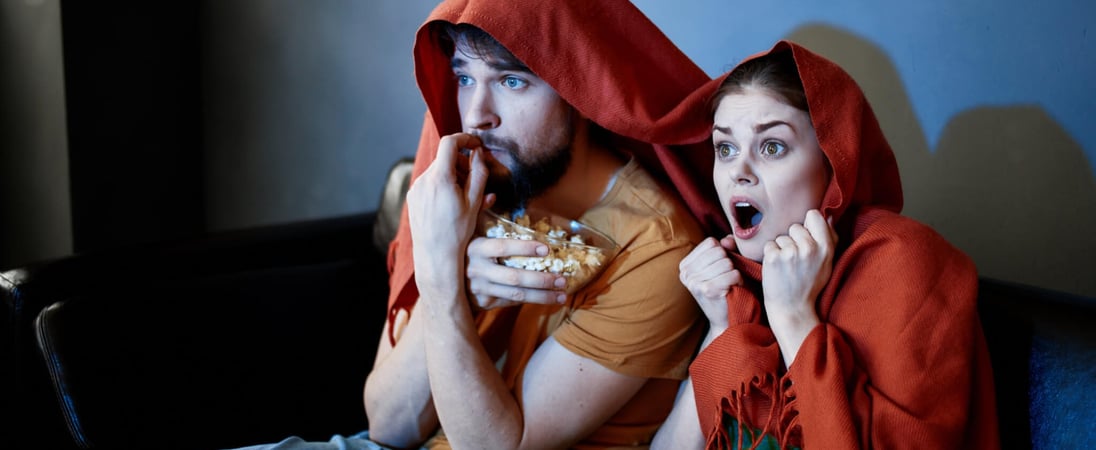
Those who can’t make it to the official I Heart Horror Day events can still celebrate in the most classic way possible: pressing play and letting the dread build. A horror watch party can be as low-key or as theatrical as anyone wants, and it works for almost every budget and living situation.
To make a movie night feel like an actual event rather than “just watching something,” it helps to choose a theme. Horror becomes more fun when it turns into a mini-curation project:
– Classic foundations: early black-and-white chillers, old-school creature features, or iconic zombie films.
– Haunted spaces: haunted house stories, cursed objects, or “don’t go in the basement” suspense.
– Slashers and survival: high-tension chase stories that are practically built for shouting at the screen with friends.
– Horror-comedy: perfect for mixed groups that want scares but also want permission to laugh.
– International horror: a great way to experience different cultural storytelling styles and new kinds of suspense.
Hosting tips can keep the mood spooky without becoming stressful:
– Set expectations on intensity. Not everyone has the same tolerance for gore, body horror, or psychological terror. A quick “what’s too much?” check-in prevents an awkward mid-movie bailout.
– Create an intermission. Horror can be intense, and a snack break helps keep the night fun rather than exhausting.
– Make it interactive. A ballot for “best scare,” “most suspicious character,” or “worst decision in a crisis” keeps people engaged.
– Consider a double feature. Pair a serious film with a lighter one, or match a modern remake with an older original to see how the genre evolves.
For the bravest diehard horror fans, watching alone is its own ritual. The quiet makes the suspense sharper, and every house noise becomes suspicious. If that’s the goal, leaning into atmosphere helps: dim lights, good sound, and minimal distractions.
The point is not just to be scared, but to appreciate how horror uses pacing, music, and framing to manipulate the nervous system like a haunted roller coaster.
Dive Deeper into the Horror Genre
I Heart Horror Day isn’t only about movies. Horror is a giant creative ecosystem that includes books, comics, podcasts, music, and practical effects artistry. Celebrating can mean exploring a new corner of the genre and discovering how many ways people have invented to tell scary stories.
One approach is to explore horror as a craft. Even casual fans can gain a new appreciation by noticing the building blocks:
– Tension and release: how scenes “wind up” and then snap.
– Sound design and silence: how quiet can be scarier than loud.
– Practical effects versus digital effects: why certain monsters feel more real when they’re physical.
– Symbolism: how horror often expresses ordinary fears through supernatural metaphors.
Reading horror can also be a different kind of thrill. Books and short stories are excellent at slow dread, unreliable narrators, and the sort of creeping fear that’s hard to show on screen. Graphic novels and comics add visual stylization that can be gorgeous, grotesque, or both at once.
Music is another gateway. Some fans like to create a horror playlist that matches the energy of the genre, whether it’s spooky ambience, theatrical “shock rock,” or soundtracks that feel like a heartbeat in audio form. Alice Cooper often comes up in conversations about horror-inspired performance and persona, and exploring his work can feel like stepping into a stage show where the theatrics are part of the scare.
Podcasting and radio-style storytelling can also be a perfect fit for horror. Interview shows and genre discussions give fans a way to connect with the people who make the scares: authors, filmmakers, special effects artists, and performers.
The Macabre World podcast, hosted by Rocky Digati (also connected to The Darker Arts Radio Hour), is one example of a place where horror enthusiasts can hear from creators and get a sense of how the genre is built behind the scenes.
For anyone who wants a hands-on celebration, horror is delightfully DIY:
– Try simple, practical effects makeup, like bruising, scratches, or a bite mark.
– Write a short scary story with a strict word limit.
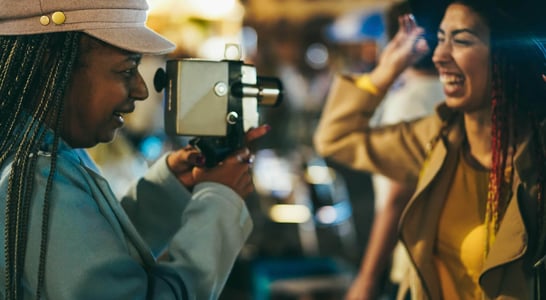
– Build a “found footage” style mini film on a phone, focusing on suspense rather than gore.
– Make themed snacks, such as “monster” cupcakes or a charcuterie board styled like a mad scientist’s experiment.
Horror has always been a playground for imagination. Diving deeper turns I Heart Horror Day from a single watch party into a creative prompt that can spark year-round fandom.
I Heart Horror Day Timeline
1764
The Castle of Otranto ushers in Gothic horror
Horace Walpole’s novel “The Castle of Otranto” was published, widely regarded as the first Gothic novel and a foundational text of literary horror.[1]
1818
“Frankenstein” creates the modern horror monster
Mary Shelley publishes “Frankenstein; or, The Modern Prometheus,” blending Gothic fiction and early science fiction and shaping the archetype of the tragic, misunderstood monster.[2]
1897
Dracula cements the vampire in popular horror
Bram Stoker’s novel “Dracula” appears, codifying many modern vampire tropes and helping establish horror as a commercially successful popular genre.
1896
Early filmmakers pioneered horror on screen
Georges Méliès released “Le Manoir du Diable” (“The House of the Devil”), often cited as the first horror film and an early example of supernatural imagery in cinema.[3]
1931
Universal’s classic monsters dominate horror cinema
Universal Pictures releases “Dracula” and “Frankenstein,” whose iconic performances and imagery define screen horror and launch the studio horror cycle of the 1930s.
1968
“Night of the Living Dead” reinvents the zombie
George A. Romero’s independent film “Night of the Living Dead” premieres, revolutionizing zombie mythology and ushering in a new era of graphic, socially conscious horror.[4]
1978
“Halloween” ignites the slasher boom
John Carpenter’s “Halloween” debuts, popularizing the low-budget slasher formula and inspiring a wave of stalk‑and‑slash horror franchises and devoted fan followings.[5]
History of I Heart Horror Day
I Heart Horror Day began in New Jersey as a way to gather together those who love celebrating the genre of horror across films, books, music, and more.
It was founded by brothers Christopher and Gregory Cuneo, whose enthusiasm for all things spooky and macabre helped shape the day into something bigger than private fandom.
Instead of keeping their interests on a shelf at home, they built a shared space where horror lovers could meet, celebrate, and feel understood in their delightfully dark taste.
At its core, the day recognizes that horror has a special kind of cultural staying power. People keep returning to scary stories for many reasons: the adrenaline, the artistry, the catharsis, the humor, the comfort of familiar monsters, and even the strange coziness of being frightened in a safe setting.
Horror also evolves constantly. Each generation adds new anxieties, new villains, and new storytelling tools, which means the genre stays fresh even as it honors classic tropes.
I Heart Horror Day taps into that living tradition by centering community. Many horror fans know the experience of having their favorite films or books dismissed as “too weird” or “too intense.” A dedicated celebration flips that script. It treats horror as something worth spotlighting, discussing, collecting, costuming, quoting, and sharing.
Another defining element of I Heart Horror Day is its commitment to charitable giving. The Cuneo Brothers’ fan festival theme has been described as “offering a good scare for a good cause,” and the event’s fundraising efforts have supported the Deborah Heart and Lung Center in New Jersey.
That blend of fright and philanthropy gives the celebration a distinct personality: it’s enthusiastic and theatrical, but also grounded in helping real people. It’s a reminder that a community built around fictional fear can still generate very real generosity.
The day has also been associated with nods to horror icons, reflecting how fandom often works. Horror communities tend to be built on shared reference points: filmmakers who redefined the genre, performers who made monsters memorable, and musicians who turned the macabre into spectacle.
By tipping its hat to influential figures, I Heart Horror Day positions itself as part of a larger tradition, one that honors the creators who shaped the nightmares people love revisiting.
While the official events have a local home base, the idea travels easily. A celebration of horror does not require a specific venue, only a willingness to enjoy the strange joy of being scared on purpose.
That’s why I Heart Horror Day resonates: it’s both a fan gathering and a creative invitation, encouraging people to connect through the genre’s unique mix of dread, artistry, and play.
Other events that are celebrated throughout the year along the theme of I Heart Horror Day include Frankenstein Friday in October, World Dracula Day in late May, Scream Day in April. And, of course, the ever-classic Halloween on October 31.
Why Horror Hooks Us: The Science Behind Being Scared
Horror isn’t just about jump scares and dark theaters—it taps into deep psychological, biological, and even economic forces. From how our brains process fear to why some people actively seek it out, research shows that scary movies can train emotional control, trigger powerful chemical reactions, leave long-lasting memories, and generate massive profits. These facts explore why horror works, who it affects most, and how a genre built on fear became one of the most reliable forces in entertainment.
-
Fear Training in a Safe Environment
Psychologists have found that watching horror in safe settings can work like “exposure therapy,” letting people practice regulating fear responses while knowing they are not actually in danger; controlled exposure to frightening stimuli can help build coping skills for anxiety and stress in everyday life.
-
Why Some Brains Crave Horror
An fMRI study of people watching scary film clips showed that those high in “sensation seeking” had stronger activation in regions like the anterior insula and visual cortex during frightening scenes, suggesting that their brains are wired to find high-intensity fear more rewarding and engaging.
-
The Biology Behind a Good Scare
Horror triggers the body’s classic fight-or-flight response—activating the amygdala and releasing adrenaline, noradrenaline, and dopamine—which raises heart rate and sharpens attention; when the threat ends, and viewers realize they are safe, this heightened arousal can “flip” into feelings of relief and exhilaration.
-
Lasting Scares from Childhood
A University of Michigan study of college students found that about one in four still experienced lingering effects from frightening movies or TV shows seen in childhood, including sleep problems in over half of affected respondents and long-term avoidance of certain places, situations, or creatures depicted on screen.
-
Horror as a Box Office Powerhouse
Industry analyses show that horror has quietly become one of the most profitable film genres: between 2000 and 2023, nearly half of horror releases were likely profitable—more than any other major genre—and franchises like The Conjuring Universe have earned over $2.3 billion worldwide on relatively modest combined production budgets.
-
From Niche to Streaming Staple
Market research indicates that horror film and TV content has grown into a multi‑billion‑dollar global business, with online streaming now the dominant distribution channel; platforms such as Netflix, Amazon Prime Video, and genre-focused services like Shudder drive demand for a constant pipeline of new scary titles.
-
Horror’s Global Fan Base Is Getting Younger
Analysts tracking the horror market report that younger viewers, particularly in Generation Z, are a key growth audience for scary movies and series, helping push horror’s theatrical market share in the U.S. to around 8–12% of ticket sales in recent years—more than triple its share a decade earlier in some estimates.
I Heart Horror Day FAQs
Is watching horror movies bad for a person’s mental health?
Research suggests that, for most mentally healthy adults, watching horror in moderation is not inherently harmful and can even be enjoyable, but it may trigger or worsen anxiety, nightmares, or intrusive thoughts in some people. Case reports describe problems like insomnia, obsessive ruminations, or heightened anxiety in viewers who consume horror compulsively or when they already have vulnerabilities, so mental health professionals generally advise paying attention to one’s own reactions and limiting exposure if distress continues after viewing. [1]
Why do some people enjoy being scared by horror while others hate it?
Enjoyment of horror is strongly linked to personality traits such as sensation seeking and tolerance for intense emotions: brain‑imaging studies show that high sensation seekers have stronger activation in regions like the visual cortex, thalamus, and insula during scary scenes, which they experience as exciting rather than overwhelming. People who dislike horror are more likely to experience sustained anxiety and less of the pleasurable “comedown” after the scare, so the same film can feel either thrilling or simply stressful depending on individual differences. [2]
What happens in the brain and body during a jump scare?
During a jump scare, the brain’s threat‑detection systems rapidly activate areas including the amygdala, insula, thalamus, and parts of the visual cortex, which prepares the body for fight‑or‑flight. This leads to a spike in heart rate, breathing, and stress hormones, followed by a “cool‑down” phase where the nervous system calms and can release feel‑good neurochemicals, which experts say many viewers experience as pleasurable relief after the fear passes. [3]
Is there evidence that enjoying horror makes people more violent or aggressive?
Decades of media‑effects research have not produced clear evidence that liking horror films by itself causes real‑world violence; instead, any links between violent media and aggression appear small, complex, and influenced by many other social and personal factors. Some studies find that horror fans may score higher on sensation seeking or tolerance for strong emotions, but this does not mean they are more likely to commit violent acts, and experts caution against assuming a simple cause‑and‑effect relationship. [4]
How does horror in movies differ from horror in books in the way it scares people?
Horror films rely heavily on audio‑visual cues—such as sudden cuts, sound design, and lighting—to create immediate startle responses and sustained tension, directly stimulating sensory and emotional brain regions. Horror literature, by contrast, typically builds dread more slowly through imagination, ambiguity, and internal monologue, allowing readers’ own mental images and interpretations to generate fear, which some scholars argue can produce a more personalized but less instantaneous sense of horror. [5]
Are there people who should be especially cautious about consuming intense horror content?
Health and psychology experts generally advise that children, teens, people with certain anxiety disorders, trauma histories, or heart and other serious medical conditions be particularly careful with very intense horror. Because horror can raise heart rate and trigger strong stress responses, these groups are encouraged to choose milder material, stop watching if distress continues after viewing, and consult a health professional if horror consistently worsens sleep, mood, or physical symptoms. [6]
Also on ...
View all holidays
National Homemade Soup Day
Savor every spoonful of warm and comforting goodness made with fresh ingredients, perfect for any day or mood. A hug in a bowl!
We think you may also like...
National Drive-In Movie Day
Bring snacks and drinks, comfy blankets, and of course your car and go see a new or old favorite movie at your local drive-in, from the comfort of your car.
International Sailor Moon Day
Start a re-watch or re-read of the immensely popular manga and anime series Sailor Moon, or take this opportunity to discover your newest media obsession.
National Mr. Potato Head Day
Celebrating the charm of a versatile, spud-based toy, sparking creativity and timeless joy through imaginative play and customization.