

From jumping on a trampoline to growing flowers in the garden, from a rousing game of croquet to paddling around in a kiddie pool, the backyard can be full of all sorts of adventures and activities all summer long!
National Backyard Day is here to help individuals and families get into the spirit of the backyard, preparing it (and themselves!) for a spring and summer full of sorts of delightful adventures.
National Backyard Day Timeline
Assyrian Palace Courtyards and Early Private Gardens
Royal residences such as King Ashurnasirpal II’s palace at Nimrud feature walled courtyards and cultivated garden spaces, early examples of enclosed yards attached to dwellings for display, shade, and recreation.
Roman Domus Houses with Peristyle Gardens
Wealthy Romans develop the domus house with an interior peristyle garden, turning open-air courtyards into landscaped private spaces used for relaxation, dining, and social gatherings, a clear ancestor of later domestic patios and backyards.
Colonial American Dooryard Gardens
In British North America, many homes feature small “dooryard” plots behind or beside the house, used to grow herbs, vegetables, and fruit trees, reflecting a primarily utilitarian view of the household yard rather than a space for leisure.
Frederick Law Olmsted Helps Shape the American Lawn Ideal
Landscape architect Frederick Law Olmsted promotes continuous green swards and shared open space in suburban plans like Riverside, Illinois, influencing the cultural ideal of the grassy home lot that would later define American front and back yards.
Postwar Suburbs Turn Backyards into Family Leisure Space
After World War II, mass-produced suburban housing developments such as Levittown popularize private, grassy backyards that host grilling, children’s play, and informal gatherings, transforming them from working plots into extensions of the living room.
Rise of Patios, Barbecues, and Outdoor Living Rooms
Advances in concrete, brick, and aluminum furniture, along with the popularity of charcoal and gas grills, lead American homeowners to build patios and terraces, creating “outdoor rooms” for dining, entertaining, and everyday relaxation just outside the back door.
Environmentalism and the Return of Productive Yards
The environmental movement and the first Earth Day in 1970 encourage interest in home vegetable gardens, composting, and less chemically intensive lawns, prompting many households to blend leisure backyards with productive planting beds and small food gardens.
History of National Backyard Day
People have enjoyed their gardens, patios, backyards, and other outdoor spaces for generations.
National Backyard Day is a slightly newer event, having its inaugural celebration in 2021. The idea behind this event came from the makers of the allergy medicine Zyrtec.
The date was chosen to honor the events of March 2020, when people worldwide spent time in their backyards due to the COVID-19 pandemic.
The hope for National Backyard Day is that people young and old will be reminded that getting outside – whether in their own backyards, in a local park, or in a remote forest – is healthy for the body and for the soul!
How to Celebrate National Backyard Day
Take this as a reminder right around spring to have loads of fun in the outdoors by celebrating National Backyard Day with some of these ideas:
Start Enjoying that Backyard
Those who live in warmer climates might already be mowing the back lawn, tackling weeds, and hosting various events—and that’s the perfect thing to do in celebration of National Backyard Day!
Even if someone doesn’t have a backyard, they can still celebrate this event by heading to a public green space or park to enjoy a picnic, throw a frisbee, walk the dog, hang out in a hammock, or get involved in another outdoor activity.
Get the Backyard Ready
For those who live in cooler climates, mid-March might be a bit too cool to host a barbecue, backyard picnic, or other type of gathering—there might even be snow on the ground!
But it’s still a great time to start thinking about and planning what kind of fun events and activities will be celebrated in the backyard as the weather begins to warm up over the next several weeks.
Even in the cooler weather, some folks might want to take National Backyard Day as an opportunity to prepare for the backyard season by removing leaves from winter, cleaning out the gutters, cutting back bushes or trees, tuning up the lawnmower, and other spring maintenance projects.
Other enjoyable Days of the Year events throughout the spring and summer act as perfect reminders to get outside and enjoy nature, including National Weed Your Garden Day and National Yard Games Day in June, and National Eat Outside Day in August.
National Backyard Day FAQs



You may also like

Keep Off the Grass Day
Keep Off the Grass Day is a lively reminder to appreciate and protect green spaces, especially the everyday lawn. Grass can look tough, but it is a living carpet with shallow roots, delicate blades, and an ongoing need for air, water, and sunlight. This day spotlights how quickly a yard...
- Australia
- Canada
- United Kingdom
- and 1 more

Plant Something Day
Plant Something Day invites everyone to dig in and add a touch of green to their surroundings. Whether it's a flowerpot on a windowsill or a tree in the yard, each plant contributes to a healthier environment. This day encourages individuals to connect with nature, fostering a sense of accomplishment...
- United States

Spring Fairy Fun Day
Spring Fairy Fun Day is a playful celebration of spring’s fresh-start energy, with a dash of glitter and a wink at folklore. It invites people to notice the small wonders that pop up when the season shifts, like new buds on branches, longer afternoons, and that unmistakable feeling that the...
- Australia
- Canada
- International
- and 2 more

National Play Tennis Day
Swinging rackets, chasing balls, and court camaraderie - a game that's all about skill, strategy, and that satisfying thwack!
- Australia
- France
- United Kingdom
- and 1 more
National days and holidays on March 19

March Madness
Get your game face on for March Madness! This high-energy tournament is a slam dunk of excitement, passion, and heart-pumping action. So grab your team colors, gear up for the showdown, and let the madness begin!
- United States
National Agriculture Week
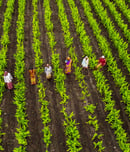
National Agriculture Week shines a spotlight on the farmers, ranchers, and agricultural workers who fill our plates and fuel our lives. Behind every meal and everyday product is someone who works hard, from dawn to dusk, to ensure we all have what we need. This week connects us to the...
- United States

Ramadan
During this holy month, Muslims fast from sunrise to sunset, focusing on spiritual reflection and community. Ramadan is a time for self-improvement and bringing people together in celebration of faith.

International Teach Music Week
International Teach Music Week is a vibrant celebration that lights up every year's third week of March, and unites over 750 music schools and various organizations globally. They offer free 30-minute lessons to new students, encouraging everyone from kids to adults to explore the joy of music. It's a time when...
- Canada
- Italy
- Philippines
- and 4 more
Seize Every Day
Join free for personalised recommendations, email reminders and exclusive guides. Never miss a day.