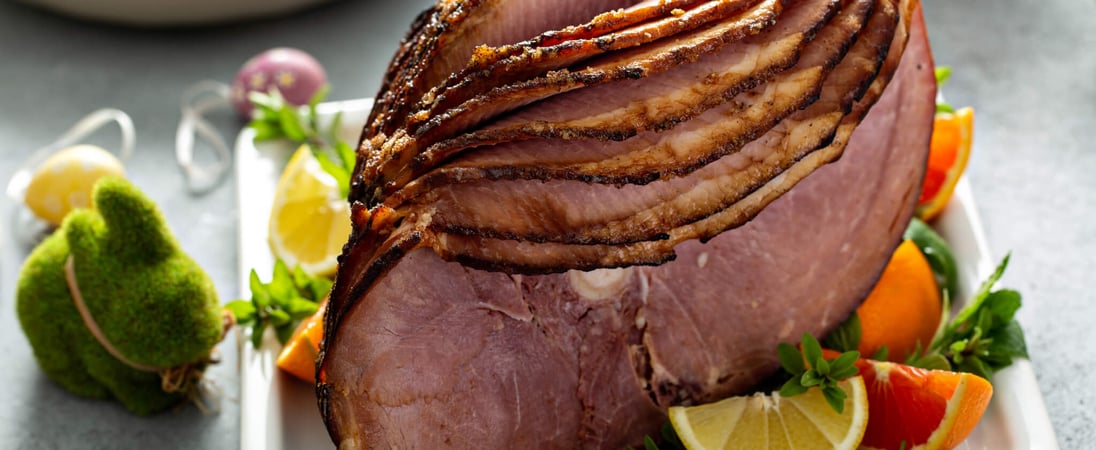
National Glazed Spiral Ham Day
Savoring the succulence of glazed spiral ham, a delicious delight with caramelized sweetness and savory perfection.
Often served at holiday meals and family dinners but also enjoyed on deli sandwiches, sliced ham is a food that is healthful and nutritious. And when it comes in the form of a glazed spiral ham, it’s just that much better!
National Glazed Spiral Ham Day offers an ideal opportunity for individuals, families and groups to show their appreciation for and celebrate this delicious food.
National Glazed Spiral Ham Day Timeline
c. 1500 BCE
Early Curing of Pork in the Ancient World
Archaeological and textual evidence from ancient civilizations such as China and Mesopotamia shows that salting and curing pork were already established methods to preserve meat, laying the groundwork for later ham-making traditions.
Late 1st millennium BCE
Roman Adoption of Cured Hams
Classical sources from the Roman world describe production and trade of cured hams, particularly from regions like Gaul and Spain, helping to spread sophisticated ham-curing techniques throughout Europe.
17th–18th centuries
Cured Ham Becomes a Staple in Colonial North America
European settlers brought pork-curing skills to the American colonies, where smokehouses and salted hams became central to farm life and regional cuisines, especially in the American South.
Mid–19th century
Sugar-Cured and Molasses-Glazed Hams Gain Popularity in the U.S.
As cane sugar and molasses became more affordable, American producers increasingly used them in curing and glazing, giving rise to the sweet, caramelized exterior now associated with many holiday hams.
1924
Harry J. Hoenselaar Invents the Spiral Ham Slicer
In Detroit, Michigan, Harry J. Hoenselaar develops a machine with a rotating, spring-loaded blade that cuts bone-in hams in a continuous spiral, making evenly sliced servings easy to carve and serve.
1957
Commercialization of Spiral-Sliced, Glazed Ham
Building on his earlier invention, Hoenselaar launches a business focused on spiral-sliced hams coated in a sweet, crackling glaze, popularizing the combination as a centerpiece for American holiday meals.
1981
Spiral-Slicing Technology Spreads to Supermarkets
After Hoenselaar’s spiral-slicer patent expires, competing companies and grocery chains adopt similar machines, making spiral-sliced, often pre-glazed hams widely available in mainstream retail.
How to Celebrate National Glazed Spiral Ham Day
Have a happy National Glazed Spiral Ham Day by enjoying the day with some of these delightful ideas:
Pick Up a Glazed Spiral Ham
On National Glazed Spiral Ham Day, head on out to the grocery store, a deli or a supermarket and pick up a glazed spiral ham.
The Honey Baked Ham company has more than 500 locations in 41 states throughout the US so that might be a good place to start! It might be a good idea to consider ordering a ham of the preferred size ahead of time to be sure it’s available in celebration of the event.
Get Creative with Ham Glaze Recipes
Those who have standard ham glaze that they enjoy may want to make things a bit more interesting on National Glazed Spiral Ham Day.
Get online and check out a wide range of different recipes for glazes and then try one out!
Check out some of these flavor ideas to get started with:
- Garlic Honey Mustard Ham Glaze
- Maple Bourbon Orange Glaze
- Pineapple and Brown Sugar Ham Glaze (with pineapple slices and cherries)
- Mango Jalapeno Ham Glaze
History of National Glazed Spiral Ham Day
The background of National Glazed Spiral Ham Day can be followed back to the invention of the spiral slicer that was the ingenious idea of Harry J. Hoenselaar.
Solving the problem of the ham bone that gets in the way of cutting the large piece of meat, the spiral slicer contains a spring-loaded blade that rotates as it cuts through the meat. Created in 1924 in Detroit, Michigan, the spiral slicer changed the way that hams are prepared and served.
Hoenselaar was eventually the founder of the company, Honey Baked Ham in 1957, which not only sliced their hams in a spiral manner but also included their delectable recipe for a sweet glaze made of honey and orange juice.
While these ham slicers were originally limited, in 1981 the patent ran out and now they can be purchased at almost any deli or grocery store where hams are sold. National Glazed Spiral Ham Day was started as early as 2014, providing a delightful time for people to enjoy a delicious meal in honor of this deli meat.
Other Days of the Year that are celebrated along the same lines as National Glazed Spiral Ham Day include National Cold Cuts Day in March, National Hot Pastrami Sandwich Day in January or National Hoagie Day in early May.
Facts About National Glazed Spiral Ham Day
Honey-Baked Spiral Ham Was Built on a 1920s Detroit Invention
The familiar spiral-sliced ham traces back to Harry J. Hoenselaar, a Detroit inventor who patented a machine in 1944 that used a rotating, spring-loaded blade to cut around the bone in a continuous spiral.
His device allowed hams to be uniformly pre-sliced while remaining intact for glazing and reheating, a convenience that later became the foundation of his HoneyBaked Ham retail business in the 1950s.
Glazing Relies on Sugar Caramelization and Maillard Browning
A glossy ham glaze develops its flavor and color through a mix of sugar caramelization and Maillard reactions.
As the ham is heated, sugars from ingredients like brown sugar, honey, or maple syrup melt and caramelize, while amino acids in the meat react with reducing sugars to create hundreds of new flavor compounds, deep brown color, and a sticky crust that adheres to the fat-rich surface.
Cured Ham Is a Preserved Pork Hind Leg, Not Just “Cooked Pork”
Spiral ham typically starts as a cured hind leg of a pig that has been treated with salt, nitrites, and often sugar to preserve flavor, color, and safety.
This curing process, which can be done by injection or brining, alters the meat’s protein structure, inhibits bacterial growth such as Clostridium botulinum, and gives ham its characteristic pink color and distinct flavor compared with plain roasted pork.
Pre-Sliced Spiral Hams Need Stricter Refrigeration Than Whole Hams
Because spiral hams are pre-sliced around the bone, more surface area is exposed to air and potential contamination, which can shorten shelf life.
The U.S. Department of Agriculture advises that cooked, store-wrapped spiral-cut hams kept at 40 °F or below should be eaten within 3 to 5 days, and leftovers should be reheated to at least 165 °F to reduce the risk from bacteria like Listeria monocytogenes.
Pineapple-and-Clove–Glazed Ham Grew Out of Early 20th-Century Trends
The classic American image of a ham studded with cloves and ringed with pineapple slices over a brown sugar glaze emerged after canned pineapple became widely available in the early 1900s.
Companies like Dole promoted recipes pairing sweet tropical fruit with savory meats, and midcentury cookbooks and magazine ads helped fix the pineapple-glazed ham as a centerpiece for Easter and Christmas tables.
Ham Holds a Major Place in U.S. Holiday Meat Consumption
Ham is one of the most common centerpiece meats at Easter and Christmas in the United States, often rivaling turkey at Christmas.
The National Pork Board has reported that about half of all spiral-sliced ham sales occur around Easter, and consumption of ham spikes significantly during the November–December holiday season compared with the rest of the year.
Glazing Can Increase Sodium and Sugar Despite Lean Protein Content
Although ham is a good source of high-quality protein, certain B vitamins, and minerals like selenium, the curing and glazing processes can raise its sodium and sugar levels considerably.
The USDA nutrient database shows that glazed ham products often contain more sodium per serving than fresh pork roasts, and commercial glazes can add several grams of sugar per slice, which nutrition professionals suggest balancing with vegetables and lower-sodium sides.
National Glazed Spiral Ham Day FAQs
Is glazed spiral ham considered a processed meat, and what does that mean for health?
Glazed spiral ham is considered a processed meat because it is cured, often smoked, and sometimes contains added preservatives such as nitrites.
The World Health Organization and other health bodies note that frequent consumption of processed meats is associated with a higher risk of colorectal and other cancers.
Most nutrition guidelines suggest enjoying ham in moderation, choosing smaller portions, and balancing it with plenty of vegetables, whole grains, and other minimally processed foods.
How can someone make a glazed ham meal a bit healthier without losing flavor?
People can make a glazed ham meal lighter by trimming visible fat, choosing a smaller serving size, and loading the plate with vegetables and whole grains.
Using glazes that rely more on spices, fruit, vinegar, or mustard and less on sugar can help reduce added sugars while keeping flavor.
Pairing ham with roasted vegetables, salads, or fiber‑rich sides can also help blunt blood sugar spikes from sweet glazes and support overall heart and digestive health.
What food safety steps are important when cooking and serving spiral ham?
Food safety agencies recommend cooking raw or partially cooked ham to a safe internal temperature, typically 145 °F (63 °C) with a three‑minute rest, measured with a food thermometer in the thickest part away from the bone.
Fully cooked spiral hams that are being reheated for serving should usually reach 140 °F (60 °C).
Leftovers should be refrigerated within two hours, stored in shallow containers, and eaten or frozen within a few days to minimize the risk of foodborne illness.
Why do spiral hams tend to dry out more easily, and how can that be prevented?
Spiral hams are pre‑sliced around the bone, which increases the exposed surface area and can cause moisture loss in the oven.
To keep them moist, many cooks heat them at a lower temperature, cover them tightly with foil, and add glaze or a small amount of liquid toward the end of cooking rather than at the beginning.
Avoiding overcooking and following the producer’s heating instructions helps preserve texture and juiciness.
Are there cultural or regional differences in how glazed ham is flavored around the world?
Yes, glazed ham reflects local ingredients and traditions. In the United States, brown sugar, honey, and mustard are common, sometimes combined with cloves or pineapple.
In parts of Europe, glazes may rely more on mustard, beer, or fruit preserves, while in some Caribbean and Latin American recipes, ham can be seasoned with citrus, rum, chilies, or tropical fruits.
These variations show how cured pork has been adapted to different culinary cultures and holiday customs.
How should people with high blood pressure or heart disease approach eating ham?
People with high blood pressure or cardiovascular concerns are usually advised to limit sodium and processed meats, both of which are often high in ham.
Health organizations suggest checking labels for lower‑sodium options, keeping portions small, and not eating ham every day.
Discussing individual limits with a healthcare provider or dietitian can help tailor intake, since some people may need stricter sodium and processed meat restrictions than others.
Is ham suitable for all dietary and religious traditions?
Ham is not suitable for everyone. It is prohibited in some religions, including Islam and Judaism, and may be avoided in certain Hindu communities and by people who follow vegetarian or vegan diets.
In addition, some people choose to avoid pork for personal or health reasons.
Hosts planning a ham‑centered meal often provide alternative main dishes, such as poultry, fish, or plant‑based options, to accommodate diverse dietary practices.
Also on ...
View all holidays
National Anime Day
Attend a convention, connect with fellow fans, or simply enjoy your favorite anime to honor the ever-popular form of media that first originated in Japan.


International Microvolunteering Day
Not everyone has the time to volunteer regularly, or perform large acts of service. But microvolunteering allows you to give back anyway.

We think you may also like...
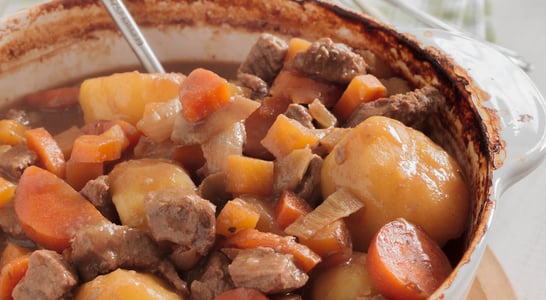
Global Scouse Day
A cherished culinary tradition, warm and hearty, born from the heart of a vibrant city, nourishing body and soul through generations.
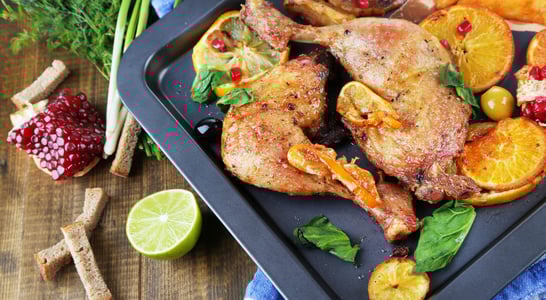
National Orange Chicken Day
Head over to your favorite Chinese restaurant (or order in) and get yourself the classic Orange chicken, or try making your own chicken and Orange sauce.

National Cassoulet Day
A French slow-cooked casserole loaded with savory meat, tender beans, and fragrant herbs - perfect for chilly nights.